


























Clean power helped Texas beat the heat this summer: Explore the data
This summer, Texas experienced another year of record-breaking temperatures. Soaring temperatures, coupled with growing electricity demand from new commercial and residential users, pushed electricity use to new highs. As recently as 2023, a summer like this would have been felt by Texans, like text alerts from the Electric Reliability Council of Texas — which covers ... The post Clean power helped Texas beat the heat this summer: Explore the data appeared first on Climate 411.
This summer, Texas experienced another year of record-breaking temperatures. Soaring temperatures, coupled with growing electricity demand from new commercial and residential users, pushed electricity use to new highs.
As recently as 2023, a summer like this would have been felt by Texans, like text alerts from the Electric Reliability Council of Texas — which covers 90% of the state — asking residents to conserve energy or even rolling blackouts. But this year, an exceptionally hot summer with a new peak demand record of 91.3 gigawatts in ERCOT, was a non-event for Texans.
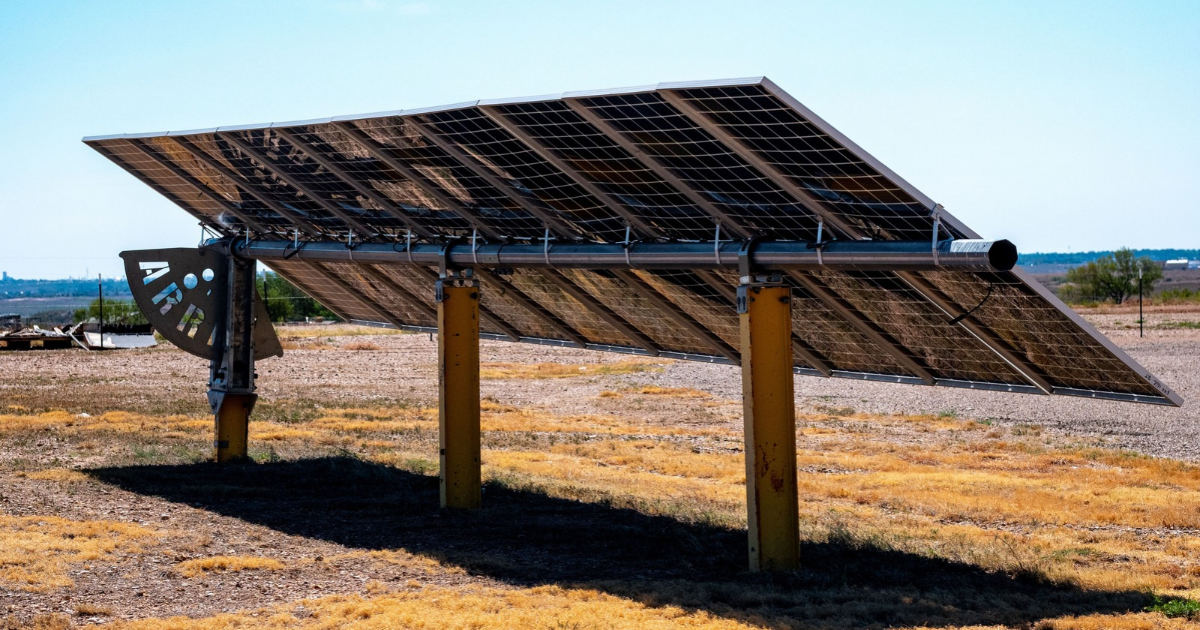
Why? Because Texas has quietly become the clean energy leader of the South, with ERCOT adding 95% of new capacity from solar, wind and battery storage from 2020 to 2025, for a total of 95 gigawatts of solar, wind and battery storage capacity. Texas is first in the nation in wind energy and has led the nation in solar deployment ever since it surpassed California in 2021.
Clean energy powering the grid
Using power data from ERCOT, Environmental Defense Fund compiled a visualization of how clean energy powered Texas this summer.
For 94% of summer days (June, July and August), the ERCOT grid was powered by majority clean power, for at least one point in the day. For 16 of those days — 17% of the summer — the grid was at one point powered by over 75% clean power.
The chart below defines clean power as zero-emissions energy sources: solar, wind and nuclear energy.
ERCOT days with a 50%+ and 75%+ renewables peak in 2026
What's Your Reaction?