


















From Bike Racer to Global Leader: The Journey of Dr. Mohammed Saleem
Discover Dr. Mohammed Saleem’s journey from bike racing to engineering, AI research, entrepreneurship and international leadership through FEDA.
From the Racetrack to the World Stage: Dr. Mohammed Saleem’s Journey of Reinvention

An engineer, AI researcher and entrepreneur, the Dubai-based FEDA leader has built a career around connecting people, institutions and opportunities across borders.
DUBAI, UAE — A racetrack might seem an unlikely starting point for a career in international education and economic cooperation. Yet, for Dr. Mohammed Saleem, bike racing forms the opening chapter of a journey that has moved through engineering, doctoral research, business ownership and global organisational leadership.
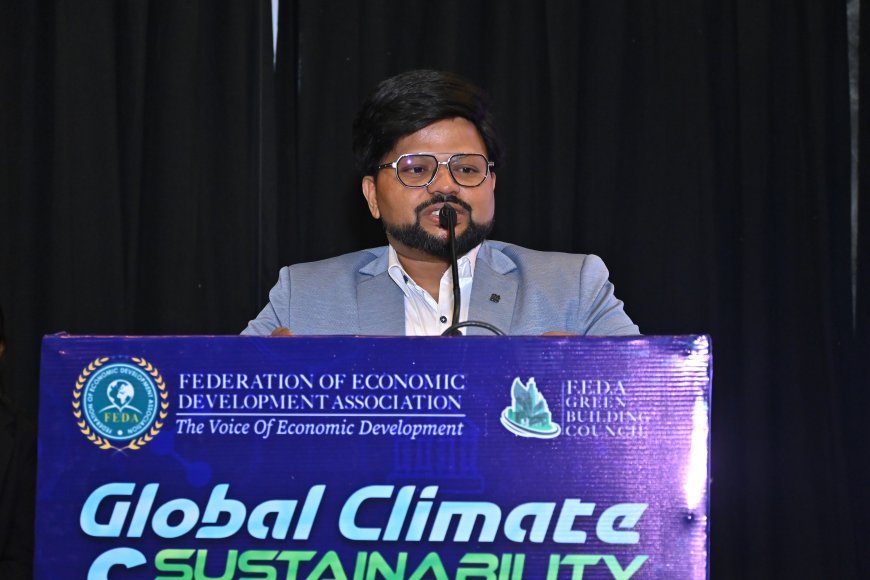
There is a common thread running through those different pursuits: the willingness to take on a new challenge and stay with it. Today, that determination finds expression in his work as Founder and CEO of GloMont NextGen and President of FEDA Global Council UAE, where his responsibilities span institutional partnerships, international engagement and professional development.
His career offers a portrait of someone who has repeatedly widened his field of work, carrying lessons from one discipline into the next.
An education built across disciplines
Saleem’s academic path began with computer science before extending into mechanical engineering, postgraduate study in information technology management and a Ph.D. in artificial intelligence.
The breadth of that education helps explain the range of his subsequent interests. Engineering introduced a structured approach to problems. Management brought questions of people, operations and commercial responsibility. Artificial intelligence opened another field of inquiry, linking technical research with changes taking place across business and education.
Moving between these disciplines required sustained study alongside an evolving professional life. It also established an interest that would become central to his later work: how education can translate into practical opportunities.
That question now sits at the heart of his business activities.
Building an enterprise around opportunity
Through Dubai-based GloMont NextGen, Saleem works with students, professionals and institutions on international education, mobility, human resource support and academic research assistance.
These services involve more than introducing a client to an institution. They depend on understanding individual ambitions, coordinating requirements and maintaining communication across borders. Building the business has placed Saleem in a role that combines strategy with the daily demands of service delivery.
His responsibilities include developing partnerships, overseeing operations and guiding the company’s growth. The work draws on both sides of his background: the technical professional’s attention to process and the entrepreneur’s need to build trusted relationships.
For students and families considering an unfamiliar destination, those relationships can be particularly important. Clear guidance and dependable follow-through are central to the service the business seeks to provide.
Taking a wider role through FEDA
Alongside entrepreneurship, Saleem has maintained a longstanding involvement in FEDA. His service has included the position of Secretary General in India before assuming the presidency of FEDA Global Council UAE.
The progression brought a broader set of responsibilities: developing international relationships, supporting chapters, engaging institutional stakeholders and convening events.
His chapter-building efforts have involved representatives and members connected with China, the United Kingdom, Sweden, Qatar, Argentina, Poland and Canada. The work spans chapter development, member engagement and efforts to establish a stronger local presence within an international network.
Such expansion depends on people willing to take responsibility in their own markets. Identifying those individuals, sustaining dialogue and supporting their participation are essential parts of the process.
The significance of this work lies in what a functioning chapter can make possible. It can give an entrepreneur an introduction in a new country, provide an academic with a professional contact or offer members a platform for exchanging experience.
Saleem’s efforts have focused on building the relationships through which those opportunities can develop.

Making room for the next generation
Students feature prominently in that vision.
As part of his work with country chapters, Saleem has encouraged the development of student chapters and leadership positions responsible for supporting them. The intention is to give young people a place within the wider professional network.
For a student, access to an international organisation can make business and public leadership feel less remote. Workshops, chapter activities and interaction with experienced professionals offer opportunities to ask questions, develop confidence and understand how different careers take shape.
Student participation also creates a practical setting for learning responsibility. Helping organise an activity, coordinate a discussion or represent a student community can provide experience that complements classroom study.
By including students in chapter development, Saleem is seeking to create continuity between education and professional life.

Bringing different voices to one stage
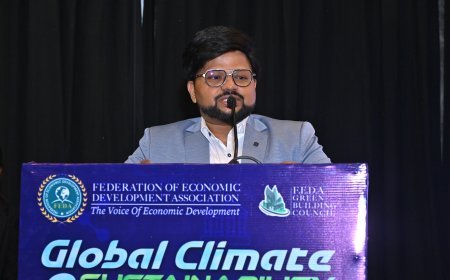
Another substantial part of his work has involved organising and coordinating international conferences and professional gatherings.
These events have brought policymakers, academicians, business leaders and decision-makers onto a shared platform to discuss subjects including education, innovation, sustainability and economic development.
The public programme is the visible result of considerable coordination. Behind it are invitations, institutional discussions, speaker arrangements and efforts to bring different expectations into alignment.
Saleem’s contribution has included this work of convening: creating a setting where people who would otherwise remain in separate professional circles can meet.
An academic may encounter an industry problem that informs future research. A business owner may find a potential collaborator. A student may hear directly from someone whose decisions affect the sector they hope to enter.
The value of such gatherings ultimately depends on what participants do afterwards, but bringing them into the same room creates a starting point.
Working towards institutional support
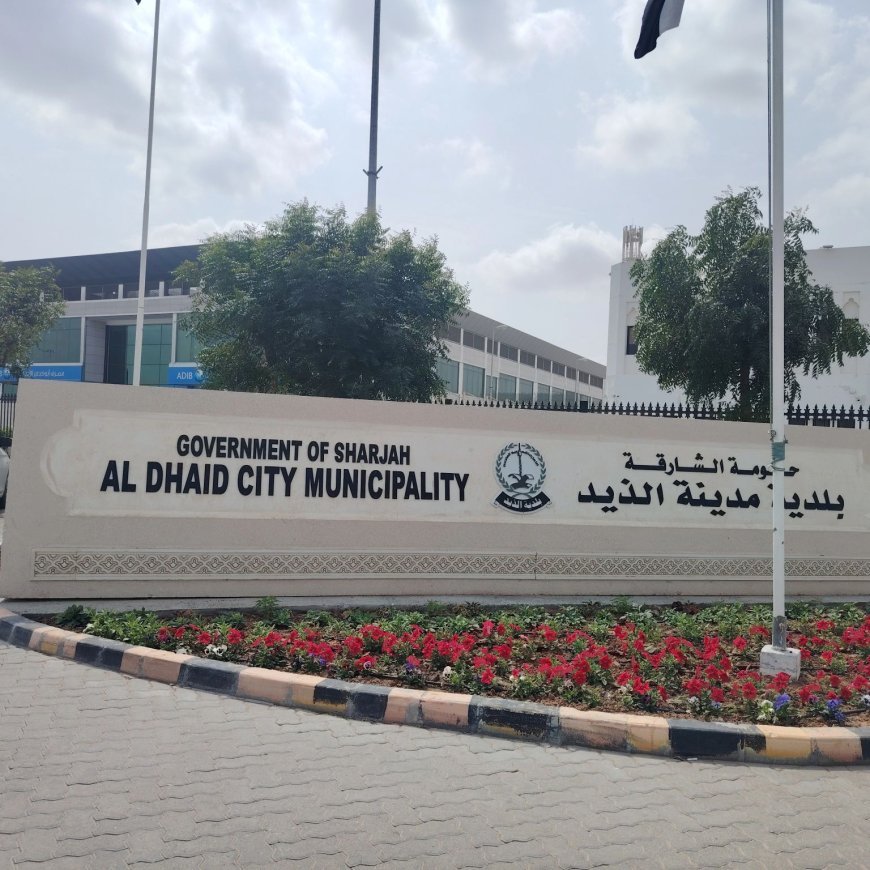
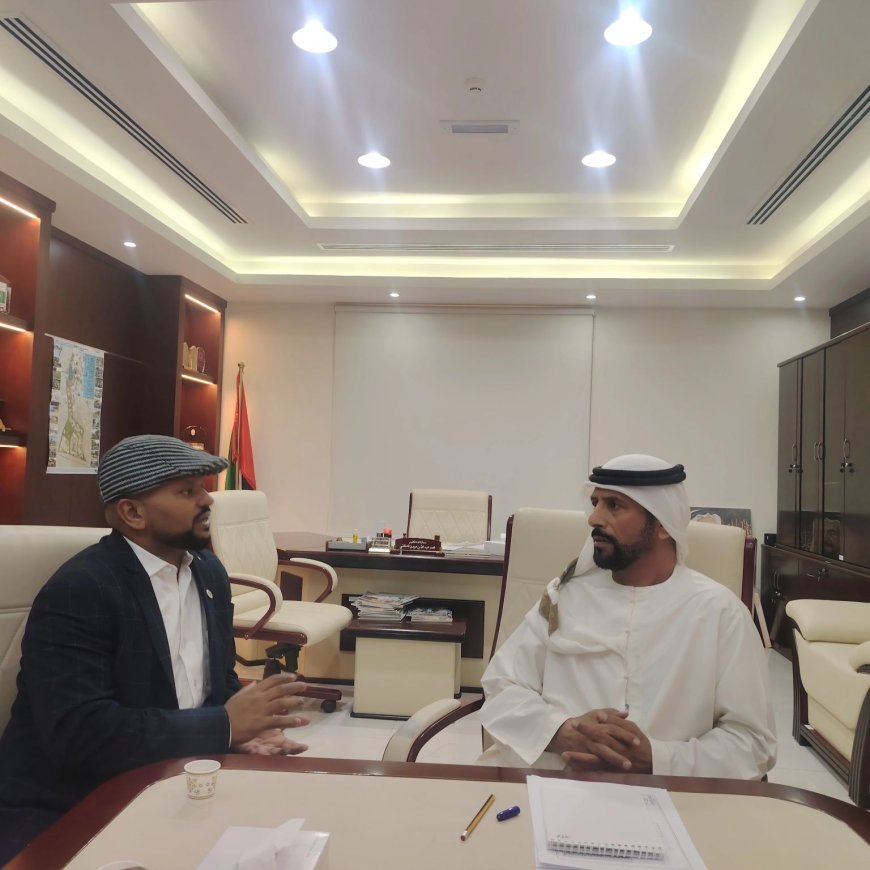
Among the achievements described in information supplied for this profile are Saleem’s coordination of memoranda of understanding involving the United Nations and his efforts in helping secure a land donation from Sharjah Municipality.
These are presented as collaborative milestones involving institutional engagement and sustained coordination. They reflect a less visible aspect of organisational leadership: following a proposal through discussions, maintaining contact with stakeholders and working towards practical support.
The precise UN counterpart, the scope of the agreements and the beneficiary of the land donation are important details in documenting these achievements. The account provided places Saleem’s contribution in the coordination and relationship-building that helped advance them.
Extending the conversation through media
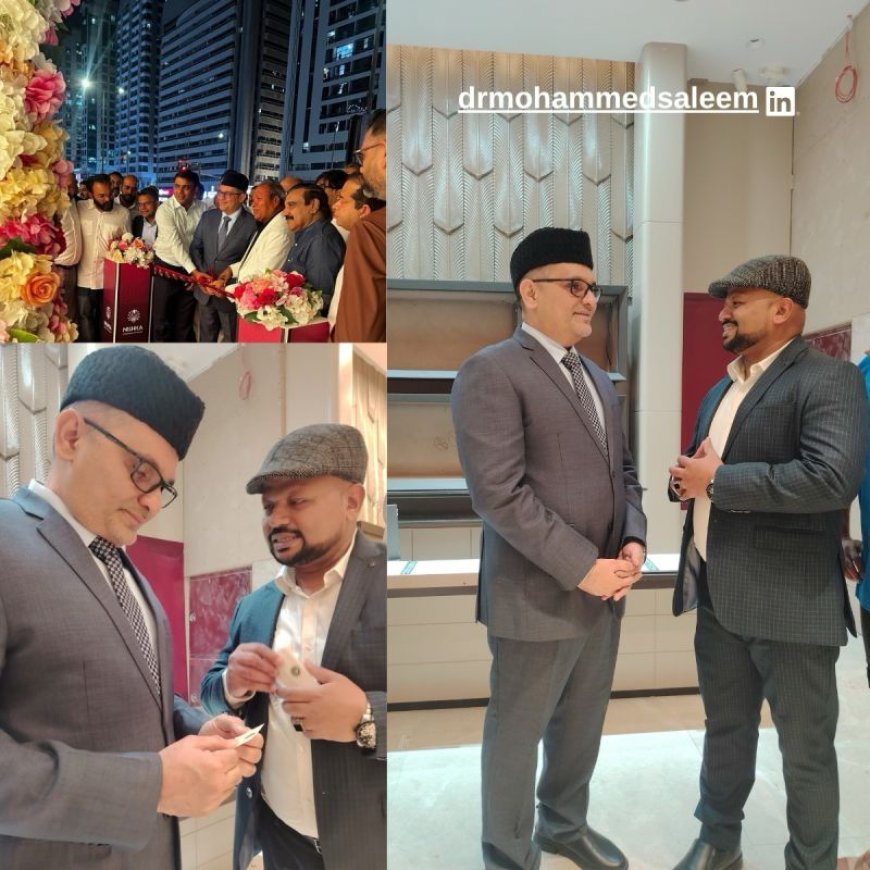
Dr. Saleem’s professional activities also include his role as Director–Middle East at FEDA Economist Magazine.
The publication provides another outlet for his interest in economic development and international exchange, with coverage of business, entrepreneurship, innovation and sustainability. Alongside FEDA Global Sources, it forms part of an effort to connect professional knowledge with business visibility and networking.
This media involvement complements his other responsibilities. Conferences bring people together for a particular occasion; publications can keep their ideas and experiences in circulation beyond the event itself.

Across these activities, Saleem has increasingly taken on the role of a connector—between students and institutions, businesses and potential partners, and local representatives and international networks.
His journey remains distinctive because of the ground it covers. The bike racer became an engineer; the engineer pursued research; the researcher built a business and assumed wider leadership responsibilities.
The next measure of that journey will be the strength of what continues to grow around it: active chapters, useful partnerships and opportunities that help others move forward.
What's Your Reaction?