

















Dr. Samiullah Khan’s Dubai Waste Management Initiative Featured in Ivey Business Case
An Ivey Publishing case follows Dr. Samiullah Khan, Vice President of FEDA Global Council and Chief Sustainability Officer at Fakhruddin Holdings, as a Dubai waste management pilot raises a decision about expansion across the property portfolio. Ivey Publishing examines Dr. Samiullah Khan’s role in Fakhruddin Properties’ Dubai waste pilot and the business decision behind a wider rollout.
Dr. Samiullah Khan’s Dubai Waste Management Initiative Featured in Ivey Business Case
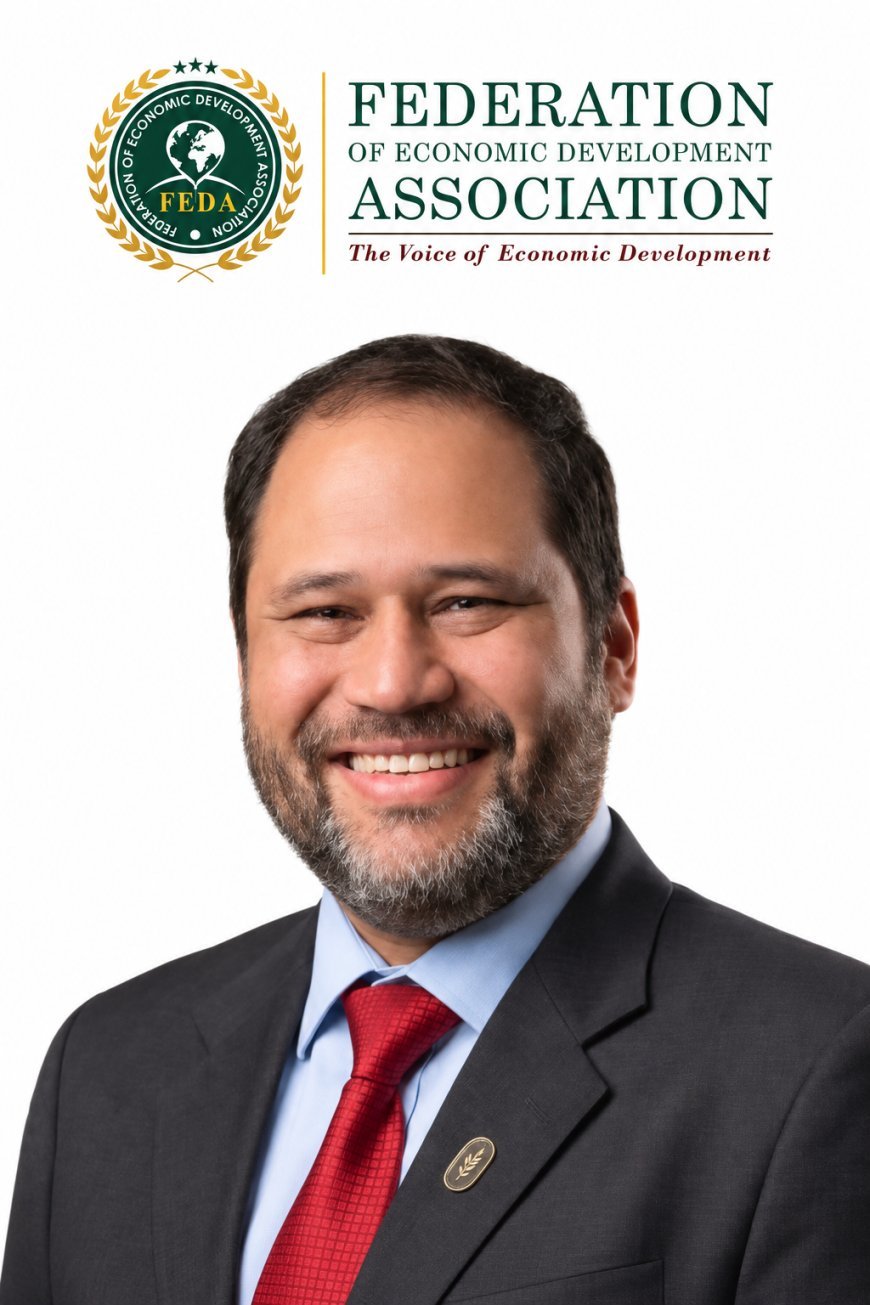
FEDA Global Council Vice President and Fakhruddin Holdings Chief Sustainability Officer Dr. Samiullah Khan is central to a new case examining whether a residential waste pilot can work across a property portfolio.
Contributed by FEDA Global Council to FEDA Economist
Dubai, UAE, 21 November 2026 — In mid-2025, a review of waste management invoices at Fakhruddin Properties’ Dubai headquarters brought a growing cost into focus for Dr. Samiullah Khan. Waste collection charges, he noted, had doubled over the previous two years. What had once been a predictable expense for the property team now called for a rethink of how its residential buildings handled waste.
That moment opens Fakhruddin Properties: Turning Waste into Value, a business case published by Ivey Publishing on 19 November 2026. Written by Federica Paolini, Nada Sayarh and Manoj Paul Selvan, the case follows Dr. Khan, Chief Sustainability Officer at Fakhruddin Holdings LLC and Vice President of FEDA Global Council, as rising costs and tighter landfill regulations put the developer’s waste management practices under review. Ivey Publishing case study
From rising costs to a residential pilot
In May 2025, Dr. Khan led the launch of Fakhruddin Properties’ 90:90 Waste Management Initiative at Trafalgar Central in Dubai International City. Residents used colour-coded bags to separate organic waste from general waste at home. The building’s sorting and composting facilities made it possible to process organic waste on site and recover recyclable materials. The company set a target of diverting 90 per cent of the building’s waste from landfill within 90 days and reported in September 2025 that the pilot had reached it. www.fakhruddinproperties.com
For Dr. Khan and the property team, the equipment was one part of the job. The system depended on residents sorting their waste consistently. Fakhruddin Properties used door-to-door outreach and rewards to encourage participation. CEO Yousuf Fakhruddin told Gulf Business that changing household habits proved more challenging than the technical side of the pilot. gulfbusiness.com
The decision facing Dr. Khan and the leadership team
The pilot gave management a result to weigh against the costs of a broader rollout. Should Fakhruddin Properties install the system across its portfolio or continue passing conventional waste management costs on to customers? The case invites readers to weigh installation and operating costs against potential savings from landfill diversion and possible revenue from recovered materials. It also asks whether the company could sustain resident participation across different buildings. Ivey Publishing case overview and learning objectives
FEDA Global Council is pleased to share the work of its Vice President with FEDA Economist readers. The decision facing Dr. Khan and his colleagues is one property leaders can apply to their own portfolios. Before expanding a sustainability pilot, they need to understand what it costs to operate in each building and what it takes for residents to keep using it.
Contributed by FEDA Global Council to FEDA Economist
Reporting by FEDA Global Council team. www.fedaglobal.org
Middle East Press and PR
Contact Ms. Maya (Lavanya) +971 585924261
What's Your Reaction?