
























20% of Mumbai Eateries Shut Down as Commercial LPG Supply Halts
Mumbai’s world-famous food industry is facing its most significant operational threat since the 2020 lockdowns. On Tuesday, March 10, 2026, the Indian Hotel and Restaurant Association (AHAR) confirmed that one-fifth of the city’s eateries have already pulled down their shutters. The culprit is a “sudden and absolute” halt in the supply of 19-kg and 47.5-kg […] The post 20% of Mumbai Eateries Shut Down as Commercial LPG Supply Halts first appeared on Business League.

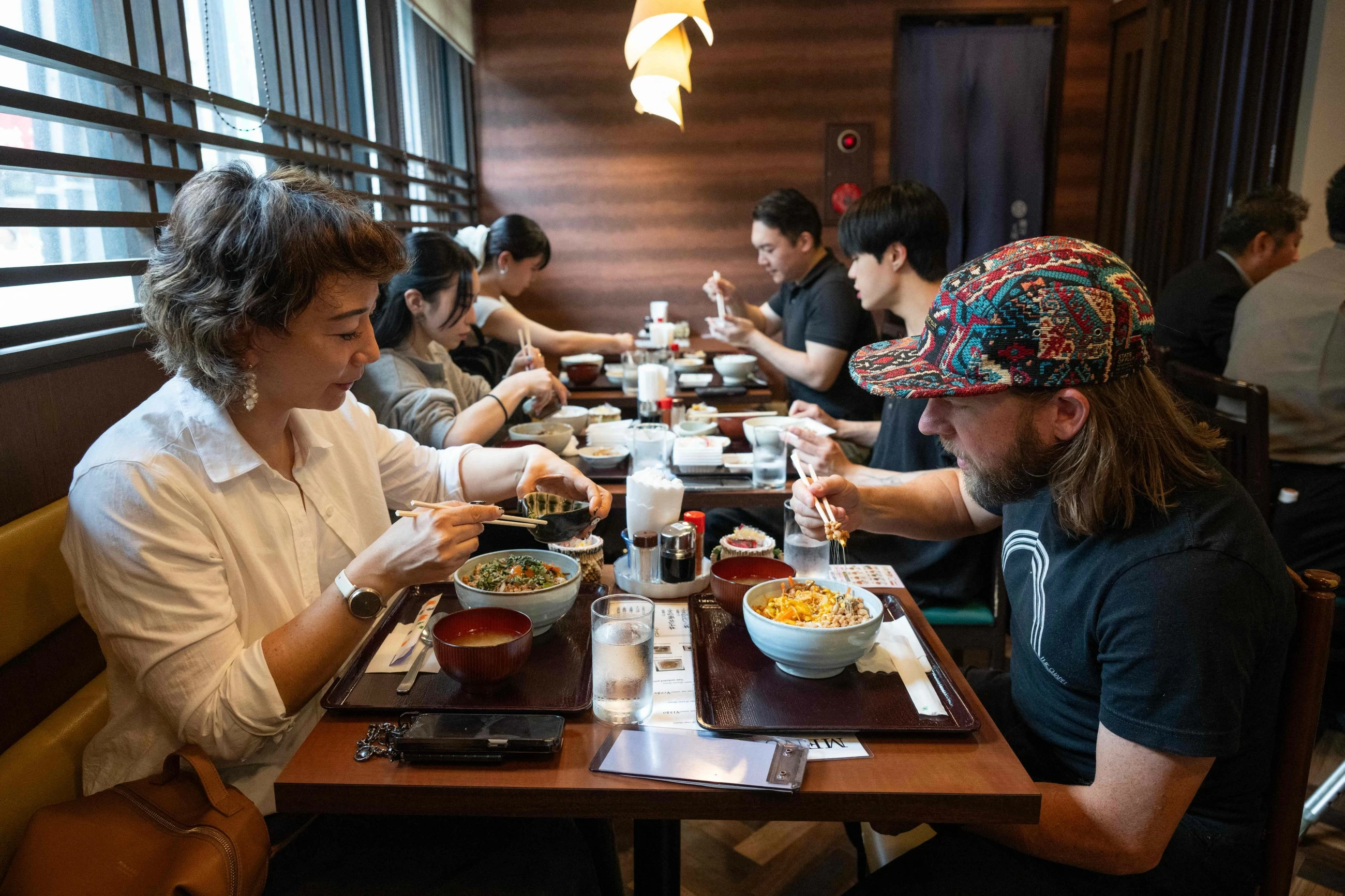
Mumbai’s world-famous food industry is facing its most significant operational threat since the 2020 lockdowns. On Tuesday, March 10, 2026, the Indian Hotel and Restaurant Association (AHAR) confirmed that one-fifth of the city’s eateries have already pulled down their shutters. The culprit is a “sudden and absolute” halt in the supply of 19-kg and 47.5-kg commercial LPG cylinders, leaving thousands of professional kitchens without the fuel required to operate.
While the government has moved to shield domestic households from the crisis, the hospitality sector—a major employer in the “Maximum City”—has been left to fend for itself as global energy supply chains fracture.
Also Read |Tamil Nadu Voter List Purge: 97 Lakh Names Deleted in SIR Phase 1
The Commercial Freeze: Why Kitchens are Going Dark
For the past 48 hours, commercial gas distributors in Mumbai have reported zero fresh stock from oil marketing companies (OMCs).
-
Inventory Depletion: Most restaurants operate on a 2-to-3-day rolling stock of LPG. With no refills since Sunday, these stocks have run dry.
-
Menu Trimming: Iconic eateries from Nariman Point to Borivali are removing dishes like dal makhani or slow-roasted meats that require hours of gas usage.
-
Bakeries Hit: Local bakeries, which recently transitioned to LPG ovens for environmental compliance, are among the hardest hit.
Domestic vs. Commercial: The 25-Day Rule
To prevent a “home kitchen” crisis, the Ministry of Petroleum and Natural Gas has prioritized 14.2-kg domestic cylinders.
-
The New Limit: Domestic users are now restricted to one refill every 25 days (up from 15 days) to discourage hoarding.
-
The Side Effect: By diverting all available “Butane and Propane” streams to domestic use, the government has inadvertently triggered a catastrophic shutdown of the commercial food sector.
Impact Across Cities: Bengaluru and Pune Also Hit
Mumbai is not an isolated case. The “Gas Famine” is sweeping across major Indian hubs:
-
Bengaluru: The iconic Vidyarthi Bhavan has reportedly shut off half its dosa tawas to save gas; the Bangalore Hotels Association warns of total city-wide kitchen shutdowns by Wednesday.
-
Pune: 20% of local snack centers have closed, and even crematoriums are facing supply issues.
-
Kolkata: Bakeries and catering services have issued alerts regarding a likely suspension of operations.
Also Read |Tamil Nadu Voter List Purge: 97 Lakh Names Deleted in SIR Phase 1
The Global Context: The Hormuz Blockade
The shortage is a direct result of the US-Israel-Iran war.
-
Import Reliance: India imports over 58% of its LPG, with the majority usually transiting the Strait of Hormuz, which is currently restricted.
-
Force Majeure: Major suppliers like QatarEnergy have declared production stoppages, leading Indian importers like Petronet LNG to issue force majeure notices to domestic buyers.
Reality Check
The government says there is “no shortage” for domestic users. Still, the 20% price hike (₹114.50 increase for commercial and ₹60 for domestic) on Sunday suggests that even if you have gas, you’ll pay a heavy premium. Therefore, while your home kitchen might be functional, the cost of “ordering in” or “eating out” is set to skyrocket as restaurants pass on the cost of limited supply. In fact, if the supply isn’t restored by Thursday, AHAR’s prediction of a 50% shutdown is a mathematical certainty.
The Loopholes
The government says the 25-day rule is to “prevent black marketing.” In fact, this is a “Black Market Trigger”—by cutting off legal commercial supply, the government is inadvertently forcing desperate restaurant owners to buy domestic cylinders illegally at 3x the price. Therefore, the very behavior the Ministry aims to stop is being incentivized by the scarcity. Still, the “PNG Loophole” remains; restaurants with Piped Natural Gas (MNGL/MGL) connections are largely unaffected, creating a massive competitive advantage over those relying on cylinders.
Also Read |Tamil Nadu Voter List Purge: 97 Lakh Names Deleted in SIR Phase 1
What This Means for You
If you live in Mumbai, stock up on non-perishable food items. First, realize that your local tiffin service or “mess” might stop operating by tomorrow afternoon. Then, if you are a domestic LPG user, understand that your 25-day booking window is strict; you should not wait until your cylinder is empty to attempt a booking, as server loads are currently extreme.
Finally, understand that public canteens in hospitals and schools are also at risk. You should check if your workplace cafeteria has a backup plan (like electric induction) to handle the gas crunch. Before you plan a dinner outing, call the restaurant ahead of time to ensure they are actually operational and have a full menu available.
What’s Next
The National Restaurant Association of India (NRAI) is meeting with the Petroleum Minister today. Then, look for a special allocation of LPG for “essential service” canteens (hospitals/hostels). Finally, expect oil prices to remain volatile as the market reacts to the news that Trump has granted a 30-day waiver for Russian oil—a move that might eventually ease the broader energy pressure by mid-April.
Also Read |Tamil Nadu Voter List Purge: 97 Lakh Names Deleted in SIR Phase 1
End….
The post 20% of Mumbai Eateries Shut Down as Commercial LPG Supply Halts first appeared on Business League.
What's Your Reaction?