




















Africa’s medicine strain deepens
Gulf tensions are sharpening the risks for African health systems already reliant on imported medicines, as disrupted shipping routes, higher freight bills and delayed emergency supplies expose how vulnerable the continent remains to external shocks while governments push to expand local drug production. The strain has moved beyond theory. Aid officials said this week that cholera supplies for countries including Chad and South Sudan were being […]The article Africa’s medicine strain deepens appeared first on Arabian Post.

Gulf tensions are sharpening the risks for African health systems already reliant on imported medicines, as disrupted shipping routes, higher freight bills and delayed emergency supplies expose how vulnerable the continent remains to external shocks while governments push to expand local drug production.
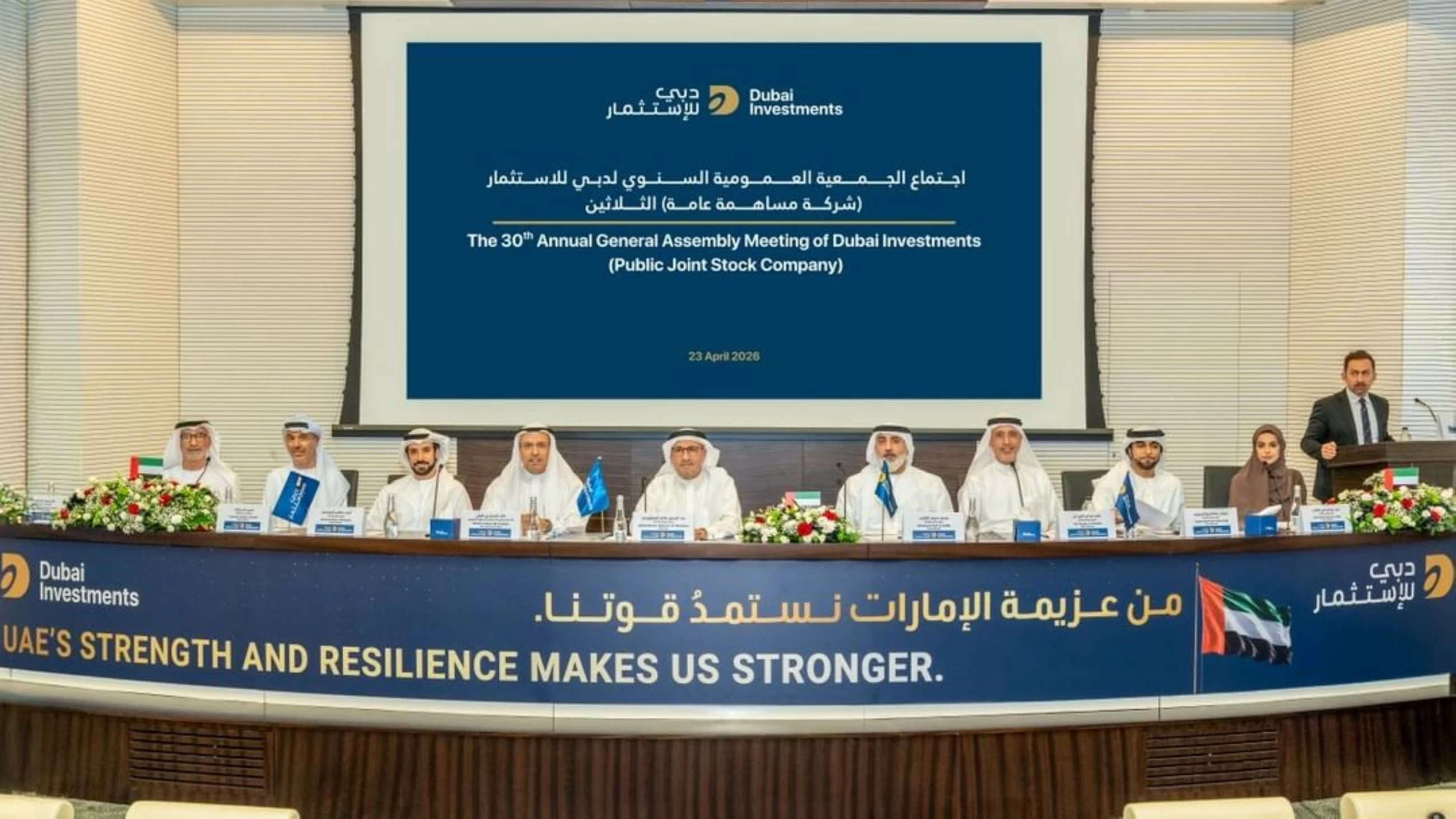
The strain has moved beyond theory. Aid officials said this week that cholera supplies for countries including Chad and South Sudan were being held up because stocks stored in Dubai were caught in a logistics backlog linked to the conflict around Iran. The World Health Organization and relief agencies said alternative routes were proving more expensive, with some shipping costs rising by about 70% as the Strait of Hormuz disruption forced a scramble for overland and air options. Commercial shipping groups have also reported higher insurance, fuel and transport costs as operators reroute cargo and seek ways to keep food and medicine moving through Gulf land corridors.
For Africa, the episode underscores a structural weakness. Much of the continent’s pharmaceutical demand is still met from abroad, leaving hospitals, aid programmes and wholesalers exposed not only to shortages but also to volatile freight and currency costs. WHO-linked and Africa-focused policy documents published over the past year estimate that 70% to 90% of medicines used across Africa are imported, while dependence is even greater for active pharmaceutical ingredients, the chemical building blocks used to make finished drugs. That leaves buyers vulnerable when shipping chokepoints seize up or when geopolitical crises push up the price of everything from transport and energy to packaging materials.
The pressure comes at a difficult moment for public health budgets. Many governments are still trying to widen access to essential medicines while also responding to repeated outbreaks of cholera, mpox and other infectious diseases. A delay in imported treatment kits or raw materials can therefore have consequences far beyond higher invoice costs. It can slow response times, reduce the availability of basic therapies and force already stretched ministries to divert money from other health priorities.
Rising energy prices add another layer of strain. Conflict in and around the Gulf has not only affected shipping lanes but also pushed up costs tied to petrochemicals and fuel, both of which feed into pharmaceutical manufacturing and distribution. Reuters reported this week that the disruption to petrochemical flows through Hormuz had sent prices for plastics higher, a development with implications for medicine packaging, medical consumables and broader industrial supply chains. For African importers, that can translate into higher landed costs even when the medicine itself is sourced outside the Gulf.
Yet the same shock is also giving fresh urgency to a policy drive that has been building since the pandemic: producing more medicines on African soil. The African Union, Africa CDC, WHO and development finance institutions have all stepped up support for domestic and regional manufacturing, arguing that health security now depends on industrial capacity as much as on donor funding. Continental initiatives include the Pharmaceutical Manufacturing Plan for Africa, a roadmap around 24 priority medical products and the stronger operational role now envisaged for the African Medicines Agency, which leaders say is central to creating a more unified regulatory market for safe and quality-assured drugs.
The case for local production is clear, but so are the constraints. Africa’s pharmaceutical industry remains unevenly distributed, with a small number of countries accounting for most of the continent’s manufacturing base. UNCTAD said about 70% of countries in Africa have no or only marginal local production, while industry is concentrated in a limited number of markets. Investors and policymakers also continue to face familiar hurdles: fragmented regulation, limited scale, costly imported inputs, weak procurement certainty, shortages of skilled technical labour and expensive financing. Even where plants exist, many still depend on imported ingredients and equipment, which means geopolitical shocks can still filter through the system. ][5])
That helps explain why the current Gulf disruption is being read in two ways across the sector. On one hand, it is a warning that Africa’s health supply chain remains exposed to events far beyond the continent. On the other, it strengthens the commercial and political argument for building regional supply hubs, pooled procurement systems and reliable local demand for African-made products. Development agencies and industry groups have increasingly framed that agenda not simply as an industrial ambition but as a public health necessity.
The article Africa’s medicine strain deepens appeared first on Arabian Post.
What's Your Reaction?