




























AI tools reshape trading amid Iran turmoil
Market volatility triggered by escalating tensions involving Iran is pushing traders towards artificial intelligence-driven tools, as investors struggle to interpret fast-moving geopolitical signals and their impact on global assets. Portfolio managers and independent traders alike are increasingly relying on machine-learning models to process the surge of data tied to the conflict, from energy flows and shipping disruptions to diplomatic signals and military developments. The shift reflects both […]The article AI tools reshape trading amid Iran turmoil appeared first on Arabian Post.

Market volatility triggered by escalating tensions involving Iran is pushing traders towards artificial intelligence-driven tools, as investors struggle to interpret fast-moving geopolitical signals and their impact on global assets.
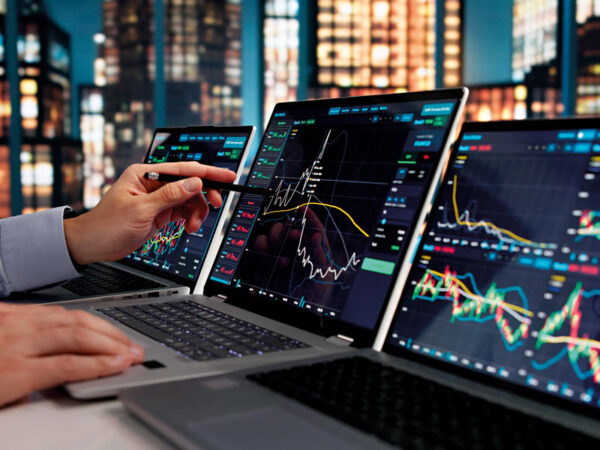
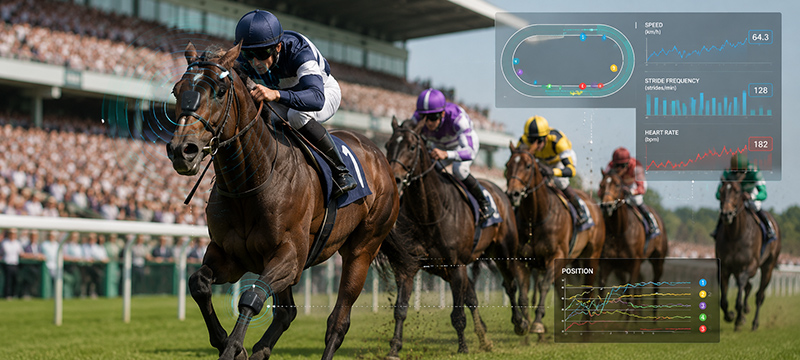
Portfolio managers and independent traders alike are increasingly relying on machine-learning models to process the surge of data tied to the conflict, from energy flows and shipping disruptions to diplomatic signals and military developments. The shift reflects both the speed at which information is evolving and the difficulty of translating geopolitical developments into actionable market strategies.
Maxence Visseau, an active investor navigating the early stages of the conflict, placed AI systems at the centre of his decision-making framework. He used automated models to sift through news flows, cross-reference macroeconomic indicators and simulate potential scenarios for oil prices, currencies and equities. The approach highlights a broader trend where traditional analysis is being supplemented, and in some cases replaced, by algorithmic interpretation.
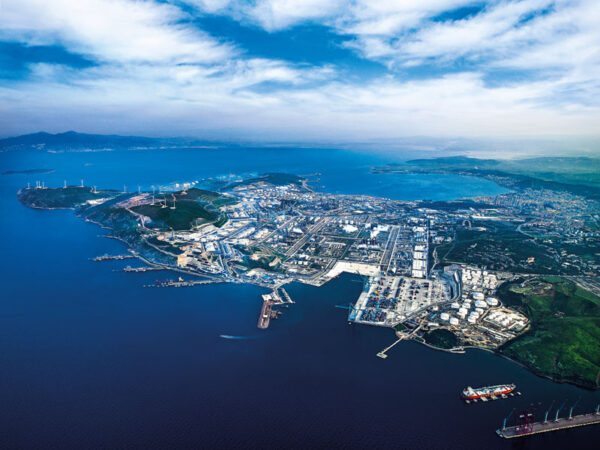
Oil markets have been particularly sensitive, with traders attempting to gauge the likelihood of supply disruptions across the Gulf region. Shipping routes, including critical chokepoints, are being monitored closely, while fluctuations in crude benchmarks reflect shifting risk perceptions. AI models are being deployed to integrate satellite data, shipping movements and policy statements, offering traders a composite view that would be difficult to assemble manually within tight timeframes.
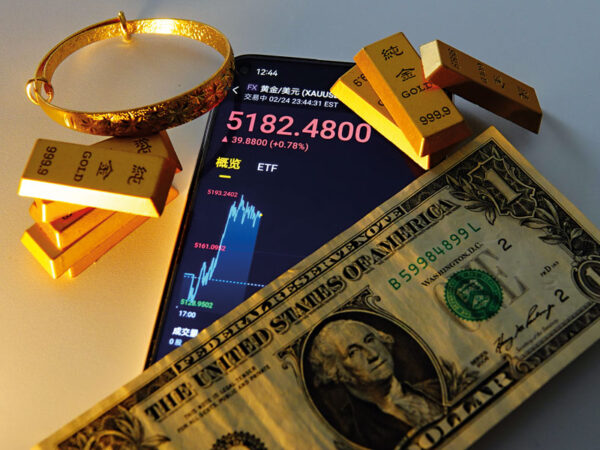
Currency markets are also reacting sharply, with safe-haven assets gaining traction as uncertainty rises. The US dollar, Swiss franc and gold have seen increased demand, while emerging-market currencies have faced pressure. Analysts note that AI systems are increasingly capable of detecting correlations between geopolitical events and currency movements, enabling faster positioning by hedge funds and institutional investors.
Equity markets have shown a mixed response. Defence stocks and energy companies have recorded gains, reflecting expectations of increased spending and tighter supply conditions. At the same time, sectors sensitive to global trade, such as airlines and manufacturing, have faced headwinds. AI-driven tools are helping traders identify sectoral divergences and adjust portfolios accordingly, often within minutes of new developments.
The adoption of AI in trading is not without challenges. Market participants warn that reliance on automated systems can amplify volatility if multiple algorithms respond to the same signals simultaneously. Flash movements and abrupt reversals can occur when models converge on similar conclusions, particularly in thinly traded markets or during periods of heightened uncertainty.
Regulatory scrutiny is also intensifying as authorities assess the implications of widespread AI adoption in financial markets. Concerns include transparency, accountability and the potential for systemic risks. Regulators are examining whether existing frameworks are sufficient to oversee algorithmic decision-making, especially as models become more complex and less interpretable.
Despite these concerns, proponents argue that AI enhances risk management by enabling more comprehensive analysis. Advanced models can incorporate a wide range of variables, from macroeconomic indicators to sentiment analysis derived from news and social media. This allows traders to assess multiple scenarios and adjust exposures in real time, rather than relying solely on historical data or human judgement.
Institutional investors are leading the adoption, with large asset managers investing heavily in proprietary AI systems. However, retail traders are also gaining access to such tools through fintech platforms, narrowing the technological gap between professional and individual market participants. This democratisation of AI is reshaping market dynamics, as a broader range of actors can respond quickly to geopolitical developments.
Energy analysts point out that the current environment underscores the importance of integrating geopolitical risk into trading strategies. AI systems are increasingly designed to factor in political signals, such as diplomatic statements, military movements and policy shifts, alongside traditional economic indicators. This multidimensional approach is seen as essential in a world where geopolitical events can have immediate and far-reaching market consequences.
At the same time, human oversight remains critical. Traders emphasise that AI should complement, not replace, professional judgement. Models can process vast amounts of data, but interpreting the broader context and assessing the credibility of information still require human expertise. Misinterpretation of events or overreliance on flawed data inputs can lead to significant losses.
The article AI tools reshape trading amid Iran turmoil appeared first on Arabian Post.
What's Your Reaction?