



























Are children being pushed too hard by co-curricular activities overload?
In homes across the UAE, school bags are barely dropped before children head off again — to tennis courts, music rooms, swimming pools and language classes.For many families, co-curricular activities (CCAs) have become a central part of childhood, with new emails from schools arriving in parents’ inboxes almost every new term — whether the activities are included in school fees, require additional payment, or are arranged through external providers chosen by parents.But as schedules grow busier for students, the challenge now is not whether children should be active — but whether their schedules leave enough room for rest, imagination and simply being children.Stay up to date with the latest news. Follow KT on WhatsApp Channels.Activities are not about pressure, but purposeFor Dubai-based parent Arijit Nandi, enrolling his son in multiple activities was never about pressure — it was about purpose.He explains that "children are brimming with energy" and that activities help “channelise their energy in the right direction and to keep them away from screens.” He also stresses that his son genuinely enjoys his packed routine and that they regularly check if he feels tired.That routine, however, is intense: tennis at 6am before school on Mondays, swimming midweek, guitar on Sundays, and Arabic, TED-style sessions and private coaching filling the remaining days.Yet, Nandi says his son still values his “free play time in the park,” a balance the family consciously tries to protect.Arijit's son Aakash Guiding children’s energy not controlling itFor Kenji Takahashi, a Japanese father living in the UAE, the approach is more measured. He says their goal is to ensure their daughter’s day is “not just busy for the sake of it.” Her week includes piano, karate and art — but also protected downtime.Takahashi adds that they make sure she has “at least one afternoon to just ride her bike or play with friends,” because for their family, it’s about “guiding her energy, not controlling it.”When does it cross the line into burnout?But experts warn that even well-intentioned schedules can quietly tip into overload.Dubai-based life coach and energy healer Girish Hemnani says many schools and families are caught in what feels like a productivity race. He notes that constant engagement can create an “illusion of productivity,” but that true development needs space for free play.Hemnani explains that boredom activates the brain’s Default Mode Network, responsible for imagination and self-reflection. Without this downtime, he says, children lose the chance to “recalibrate,” adding that studies show free play is central to developing executive function — the ability to plan, self-regulate and take initiative.He also warns of deeper emotional consequences. When every hour is managed, he says, children can become unfamiliar with spontaneity and personal agency. “This is often compounded by a home environment where parents, overwhelmed by remote work and passive digital consumption, may accept this 'hustle culture' as an unavoidable reality.”'A tired child can’t thrive'School leaders across the UAE are beginning to rethink how CCAs are structured. Natalia Svetenok, principal of Woodlem British School in Ajman, puts it simply: “a tired child just can’t thrive.” She says her school slows down when planning activities and asks whether they are adding joy or pressure.Svetenok stresses that children need time “to sleep, to move, to laugh with friends,” and that activities should “build energy, not quietly drain it in the name of achievement.”Wayne Howsen, principal of The Aquila School in Dubai, earlier echoed this sentiment, emphasising that extra-curriculars should never be treated as childcare. He says children should only join activities they have a “genuine interest in,” noting that while CCAs can build teamwork, problem-solving and even multilingualism, the motivation must come from the child.“Let the child choose,” he says, adding that this is something schools should actively encourage.UAE schools adopt later start times, green lessons to boost well-being'Not harmless games': Dubai parents alerted to risky student challenges
In homes across the UAE, school bags are barely dropped before children head off again — to tennis courts, music rooms, swimming pools and language classes.
For many families, co-curricular activities (CCAs) have become a central part of childhood, with new emails from schools arriving in parents’ inboxes almost every new term — whether the activities are included in school fees, require additional payment, or are arranged through external providers chosen by parents.
But as schedules grow busier for students, the challenge now is not whether children should be active — but whether their schedules leave enough room for rest, imagination and simply being children.
Stay up to date with the latest news. Follow KT on WhatsApp Channels.
Activities are not about pressure, but purpose
For Dubai-based parent Arijit Nandi, enrolling his son in multiple activities was never about pressure — it was about purpose.
He explains that "children are brimming with energy" and that activities help “channelise their energy in the right direction and to keep them away from screens.” He also stresses that his son genuinely enjoys his packed routine and that they regularly check if he feels tired.
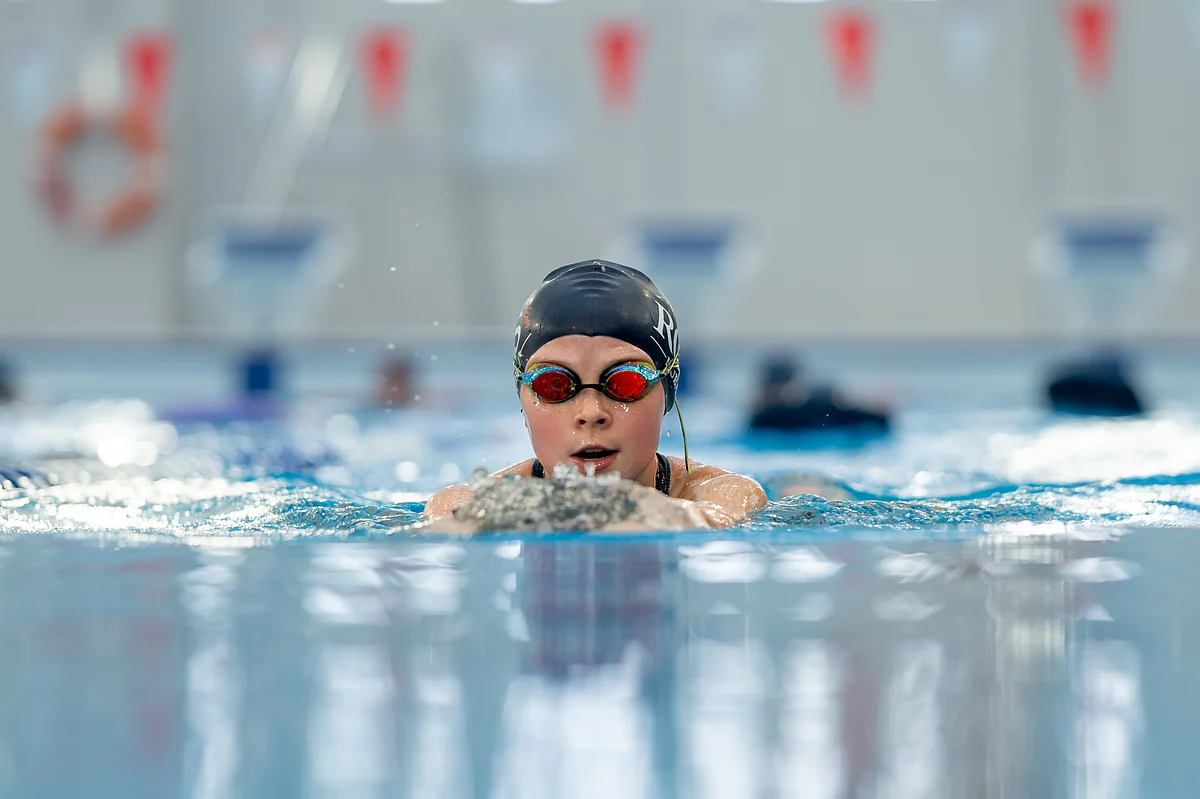
That routine, however, is intense: tennis at 6am before school on Mondays, swimming midweek, guitar on Sundays, and Arabic, TED-style sessions and private coaching filling the remaining days.
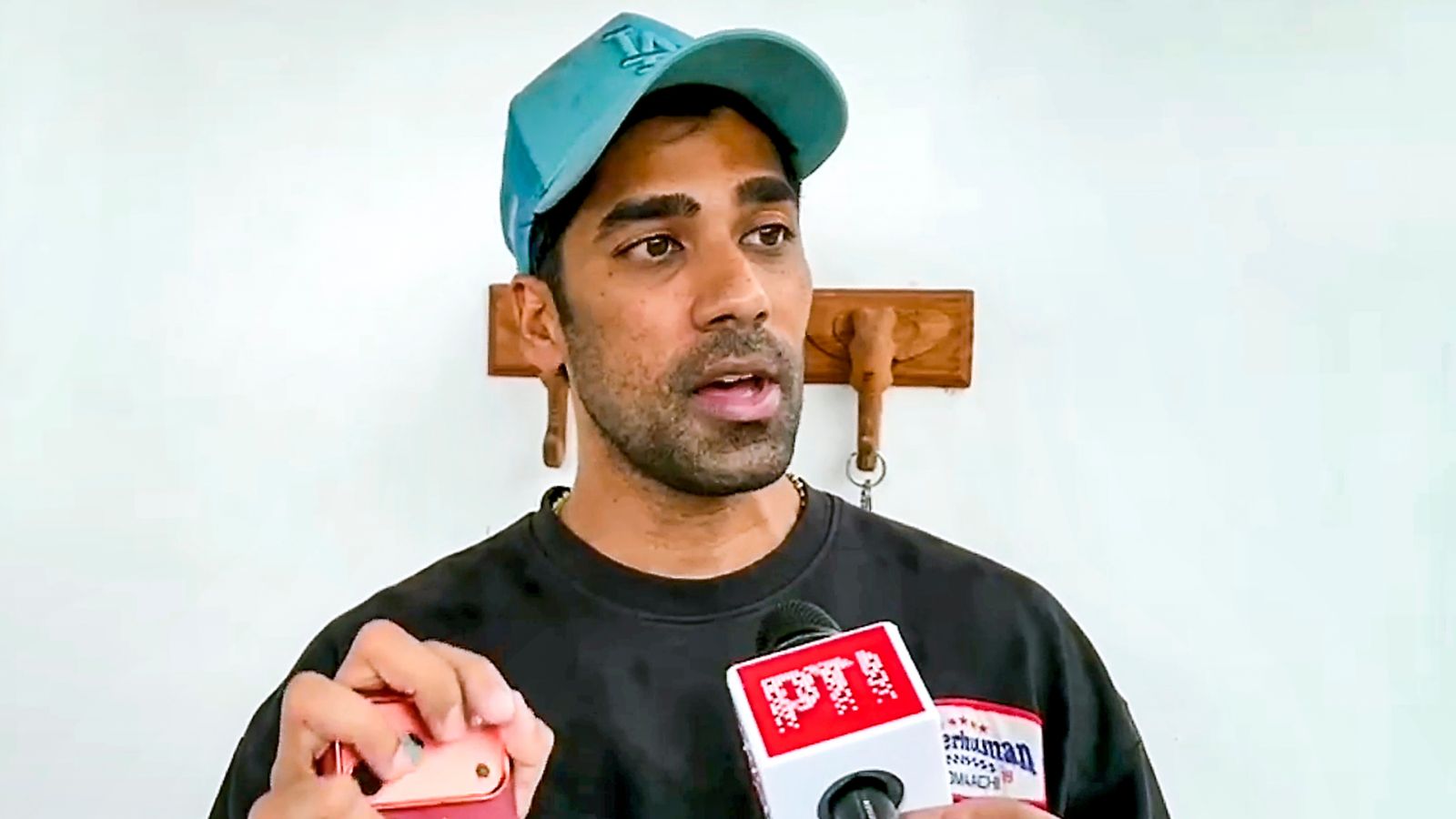
Yet, Nandi says his son still values his “free play time in the park,” a balance the family consciously tries to protect. Arijit's son Aakash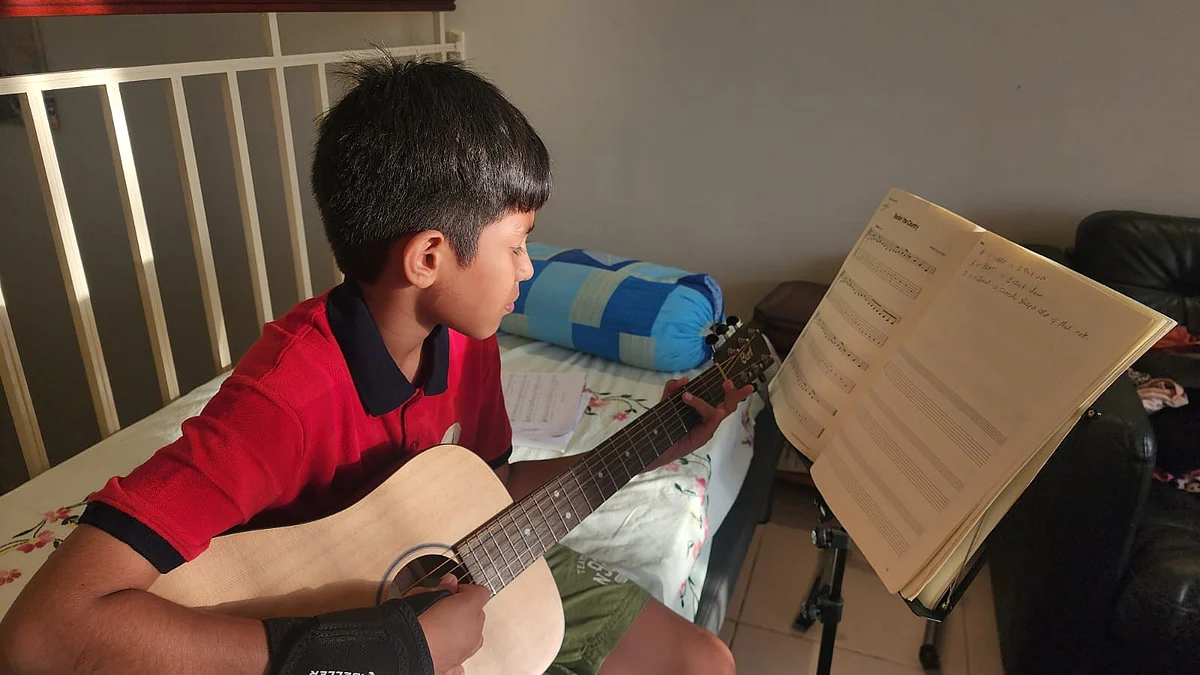
Guiding children’s energy not controlling it
For Kenji Takahashi, a Japanese father living in the UAE, the approach is more measured. He says their goal is to ensure their daughter’s day is “not just busy for the sake of it.” Her week includes piano, karate and art — but also protected downtime.
Takahashi adds that they make sure she has “at least one afternoon to just ride her bike or play with friends,” because for their family, it’s about “guiding her energy, not controlling it.”
When does it cross the line into burnout?
But experts warn that even well-intentioned schedules can quietly tip into overload.
Dubai-based life coach and energy healer Girish Hemnani says many schools and families are caught in what feels like a productivity race. He notes that constant engagement can create an “illusion of productivity,” but that true development needs space for free play.
Hemnani explains that boredom activates the brain’s Default Mode Network, responsible for imagination and self-reflection. Without this downtime, he says, children lose the chance to “recalibrate,” adding that studies show free play is central to developing executive function — the ability to plan, self-regulate and take initiative.
He also warns of deeper emotional consequences. When every hour is managed, he says, children can become unfamiliar with spontaneity and personal agency. “This is often compounded by a home environment where parents, overwhelmed by remote work and passive digital consumption, may accept this 'hustle culture' as an unavoidable reality.”
'A tired child can’t thrive'
School leaders across the UAE are beginning to rethink how CCAs are structured. Natalia Svetenok, principal of Woodlem British School in Ajman, puts it simply: “a tired child just can’t thrive.” She says her school slows down when planning activities and asks whether they are adding joy or pressure.
Svetenok stresses that children need time “to sleep, to move, to laugh with friends,” and that activities should “build energy, not quietly drain it in the name of achievement.”
Wayne Howsen, principal of The Aquila School in Dubai, earlier echoed this sentiment, emphasising that extra-curriculars should never be treated as childcare. He says children should only join activities they have a “genuine interest in,” noting that while CCAs can build teamwork, problem-solving and even multilingualism, the motivation must come from the child.
“Let the child choose,” he says, adding that this is something schools should actively encourage.
What's Your Reaction?