




































Atlassian opens Jira to AI agents
Atlassian has moved to embed autonomous artificial intelligence agents directly into Jira, unveiling an open beta that allows teams to assign tasks, automate workflows and connect enterprise systems through agent-driven collaboration. The Australia-founded software group said the new capability enables AI agents to operate alongside human users inside Jira, carrying out actions such as creating and updating tickets, triaging issues, assigning work and responding to project changes […] The article Atlassian opens Jira to AI agents appeared first on Arabian Post.
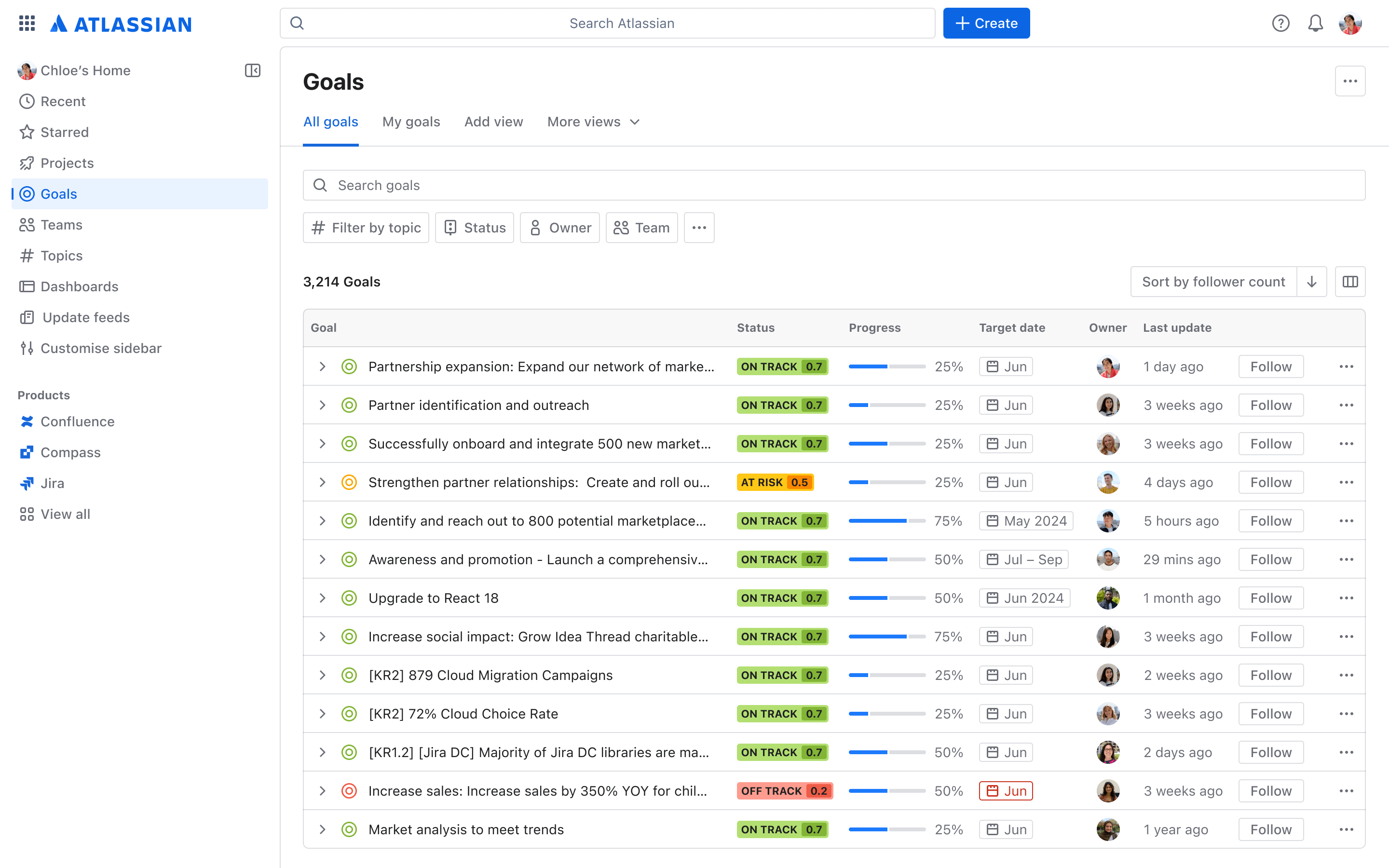
Atlassian has moved to embed autonomous artificial intelligence agents directly into Jira, unveiling an open beta that allows teams to assign tasks, automate workflows and connect enterprise systems through agent-driven collaboration.
The Australia-founded software group said the new capability enables AI agents to operate alongside human users inside Jira, carrying out actions such as creating and updating tickets, triaging issues, assigning work and responding to project changes in real time. The initiative marks a shift from AI as a passive assistant to AI as an active participant in software development and enterprise operations.
Central to the rollout is support for the Model Context Protocol, or MCP, an emerging open standard designed to let AI systems securely access and interact with enterprise data sources and applications. By adopting MCP, Atlassian aims to ensure that third-party AI tools and internally developed agents can integrate with Jira and other Atlassian products without requiring bespoke connectors for each deployment.
Company executives described the open beta as a step towards what they call a “system of work” powered by AI, where agents can coordinate across tools such as Confluence, Bitbucket and service management platforms. Within Jira, agents can be configured to monitor backlogs, identify stalled tasks, flag dependencies and suggest or execute workflow transitions based on predefined rules.
The move comes as enterprise software providers race to embed generative AI and autonomous agents into core productivity tools. Microsoft has expanded Copilot across its business applications, Salesforce has introduced agent capabilities under its Einstein brand, and ServiceNow has promoted AI-driven workflow automation across its platform. Analysts say the competitive dynamic is pushing vendors to differentiate not only on model quality but on how deeply AI can act within structured enterprise processes.
Atlassian’s approach reflects lessons from earlier iterations of “Atlassian Intelligence”, which focused largely on content generation, summarisation and search. The new agents are designed to take action, rather than simply generate text. For example, a support agent can classify incoming service requests, update ticket fields and notify stakeholders, while a development agent can break down epics into subtasks, assign them according to team capacity and track progress against sprint goals.
Security and governance have been positioned as key design pillars. Administrators retain control over what data agents can access and what actions they are authorised to perform. Permissions mirror existing Jira role structures, and audit logs record agent activity to maintain compliance and traceability. Executives said enterprise customers had made clear that autonomous capabilities must operate within strict boundaries to be viable in regulated industries.
The adoption of MCP is also intended to address concerns about data silos and vendor lock-in. By using an open protocol, Atlassian argues that organisations can connect AI agents to internal knowledge bases, code repositories and third-party applications without exposing sensitive information unnecessarily. The protocol allows AI systems to request context from approved sources in a structured, secure manner, rather than relying on broad data ingestion.
Industry observers note that open standards in AI integration are gaining traction as companies seek flexibility in model choice. Large enterprises often deploy multiple models from different providers, balancing cost, performance and data residency requirements. A protocol-based approach enables organisations to swap or combine models while maintaining consistent access to enterprise data.
Developers participating in the open beta can build custom agents tailored to specific workflows. Atlassian has released documentation and tooling to help partners and customers design agents that respond to Jira events, trigger automations and coordinate across projects. Early use cases include release management, incident response and compliance tracking, where agents can monitor status changes and escalate issues based on predefined thresholds.
Market analysts view the move as part of a broader transition in enterprise software, where applications become orchestration layers for AI-driven activity. Rather than replacing human workers, agents are positioned as collaborators that reduce repetitive tasks and surface insights more quickly. At the same time, questions remain about accuracy, oversight and accountability when AI systems act autonomously within mission-critical systems.
The article Atlassian opens Jira to AI agents appeared first on Arabian Post.
What's Your Reaction?