


























Award-Winning School Support Staffer on Serving Homeless Students
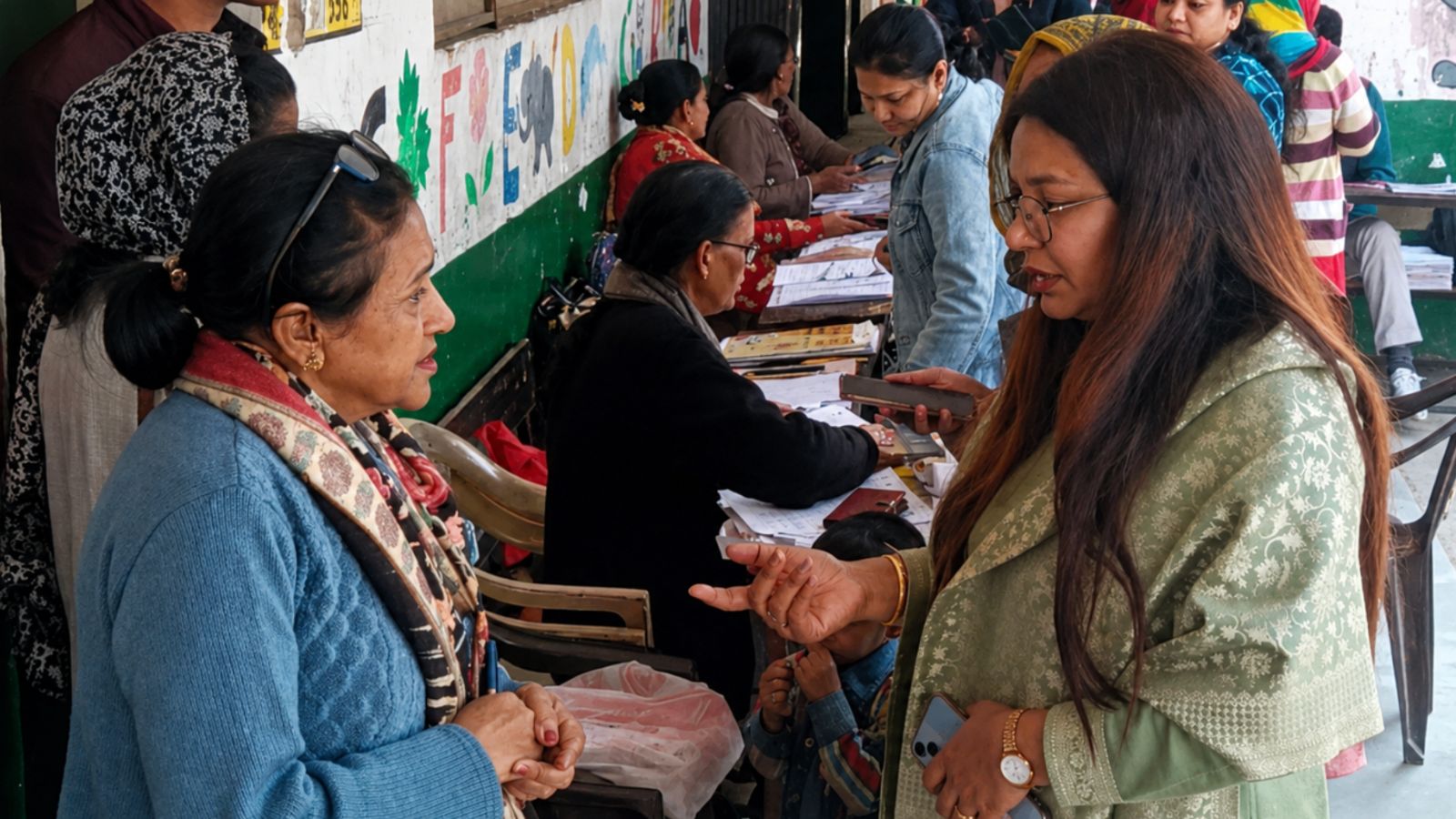
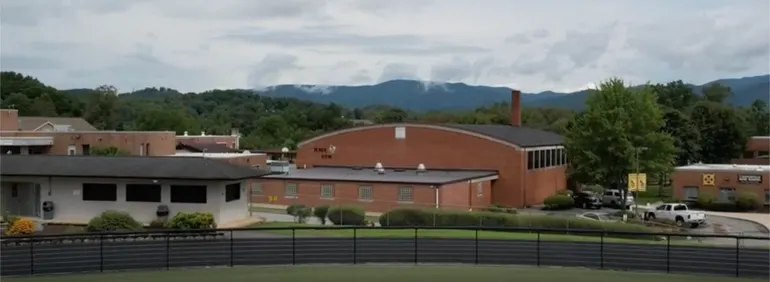
Ann Monaghan has always worn multiple hats in her career at Wallenpaupack High School. As an education support professional in Hawley, Pennsylvania, about 30 miles east of Scranton, she’s been a teacher’s assistant, substitute, district registrar, homeless liaison and attendance officer. She’s currently the principal’s secretary, serves on the city council, is a board member […]

Ann Monaghan has always worn multiple hats in her career at Wallenpaupack High School.
As an education support professional in Hawley, Pennsylvania, about 30 miles east of Scranton, she’s been a teacher’s assistant, substitute, district registrar, homeless liaison and attendance officer. She’s currently the principal’s secretary, serves on the city council, is a board member for the state education retirement system and is the president of her district’s educational support professionals union.
Her experience and passion for helping homeless youth were reasons why she was recently named the Pennsylvania State Education Association’s Dolores McCracken Education Support Professional of the Year.
Get stories like this delivered straight to your inbox. Sign up for The 74 Newsletter
Monaghan was the Wallenpaupack district’s homeless liaison for 15 years. She helped arrange transportation for students and called them when they didn’t come to school. Before the pandemic, she launched a nonprofit in an effort to find temporary housing for students who didn’t have a permanent home.
When Monaghan received news about her award in November, she said in a statement that she was honored to be associated with its namesake, who was the first educational support professional to serve as president of the state teachers union. McCracken died of cancer in 2018.
“Having known Dolores and witnessed all that she accomplished on behalf of education support professionals makes this so much more significant and humbling,” Monaghan said. “I have tried to use her belief that if something needs to be done, you just do it and then move on to the next project, all with the hope of improving circumstances for those around you.”
There are more than 2.2 million education support professionals in U.S. public schools, according to the National Education Association. These include paraprofessionals, office staff, food service workers, security personnel, bus drivers and custodians
More than 75% of education support professionals have responsibilities for ensuring student and student safety. About 84% work full time, with an average yearly salary of $37,097.
Aaron Chapin, president of the Pennsylvania State Education Association, said in a press release that Monaghan is a “model of dedication and citizenship” and consistently gave back to her school and community.
“Ann excels on so many levels,” Chapin said. “She is a compassionate leader, hardworking volunteer, skilled support professional and effective public official. As a leader in her local [union] and in PSEA, she is a strong voice for her fellow support professionals.”
Monaghan spoke recently with The 74’s Lauren Wagner. This conversation has been edited for length and clarity.
Tell me about your time as a homeless student liaison.
I was a homeless student liaison for about 15 years. I did not realize how many students are homeless in this district. A lot of people didn’t realize. Our poverty rate is 64% to 65%, but we have a good tax base because we’re land-rich. So people were like, “What do you mean we have homeless students? We don’t have homeless people in this area.” I was like, “Yeah, you do. If you really look very closely at the definition, we have a lot of homeless in this area, especially kids.” I became very interested in the topic, especially when we tried to find places for some of these kids to go. I realized there was nowhere to go in this area.
Wayne and Pike counties are the only two counties in the state that do not have a homeless shelter. It was not a new situation for the district, it was just one that was never really acknowledged. I was able to work with the administration — even though we didn’t have a place to send the kids — and we were able to work with agencies and made sure they had transportation. The district was really good about taking care of all that. Even though I’m not the homeless student liaison anymore, I work with the person who is now the liaison, and I haven’t given up on the idea of getting a homeless shelter in the area.
In your work with the homeless community, you began the creation of Hawley Forward, an afterschool program nonprofit. How is that going?
The whole idea started prior to COVID, and we had a building that we wanted to see if we could talk to the owner into donating and turning it into a hub for afterschool programs. There was space upstairs that we thought about making into a dorm area for kids we call sofa surfers — for whatever reason, they’re not with their parents or they don’t have a place to go. With COVID, all those plans fell through. So we’re still working on that. I’ve been talking to one of the local pastors who has a church property they’re not utilizing. They’re talking with their church council, so we may be able to do something on a small scale for our students. Sometimes we just need some place for kids to spend a couple of nights because there’s something going on at home and things are not stable. We’ve had seniors who aren’t able to be at home, and we just have to get them through to graduation. That’s what we’re hoping to still be able to do.
What made you want to go into education?
When I was in high school, I wanted to go to college and I wanted to be a teacher. I got my teaching certification in New York. I taught for the Diocese of Brooklyn for a number of years, and then I moved to Pennsylvania. But there were no teaching jobs available, so I subbed for a while and then I was asked if I wanted to take a position as a teacher assistant to do attendance and study halls. That’s how I got into working at the school here. That position just gradually morphed into what it ultimately became.
I was ready to retire three years ago, and the principal asked if I would take over as [his] secretary. He said, ‘I can coach you.’ Because I wanted to be a grandma, I worked out babysitting issues with my daughter. And I stayed on to be the administrative assistant.
You’re the president of both a local education support professional union and the Pennsylvania State Education Association’s northeastern region. What are you working on in both positions?
I’ve been the local union president since 2009 and am finishing my third year as president of the Northeastern Education Support Professional Division. Right now, my local Wallenpaupack union isn’t negotiating. We settled a contract last year, so we’re in the second year of the new contract. But [for the regional organization], I’m working with the Bloomsburg School District. They have a whole bunch of new leaders and they’re going into a negotiation, so we’re trying to work with them to get fully acclimated.
Advocating for a living wage for support staff is still key. I know support staff who have been in their job for 25 to 30 years and are barely making $25,000 a year. That’s not a living wage, and especially in this day and age, with the cost of groceries, gas and utilities. Even [making] $15 an hour, we have people who work two or three jobs just to make ends meet. It’s important that support staff be recognized and be paid adequately, because buildings could not run without support staff. We’re the ones who answer the phones, keep the place clean, keep the kids fed, get them to and from school. It’s a vital role, and it needs to be recognized. For a lot of years, people [thought] it was just a side job. But it’s a career for people, and we need to support them in that profession. We don’t have as many dedicated people coming in as we used to because the money is not there.
What's Your Reaction?