




































Cargo aircraft with no pilot: UAE's LODD targets 'middle mile' delivery without airports
A new unmanned cargo aircraft developed in Abu Dhabi is aiming to solve one of logistics’ most persistent challenges: moving goods quickly and efficiently between regional hubs without relying on complex airport infrastructure or large crews.LODD Autonomous, an aerospace start-up headquartered in the capital, has developed a medium-sized autonomous cargo aircraft, ‘Hili’, designed specifically for what the industry calls the “middle mile” — the stage between major logistics hubs and local distribution centres. The company says it has already signed agreements to produce more than 200 aircraft for major air operators, including Emirates and Etihad Cargo, as well as international logistics players.Stay up to date with the latest news. Follow KT on WhatsApp Channels.“The demand to connect logistics hubs very quickly is growing everywhere,” said Rashid Al Manai, chief executive of LODD Autonomous. “E-commerce is booming, trade volumes are increasing, and existing air cargo solutions are expensive and infrastructure heavy. We wanted a faster, more efficient alternative.”Why unmanned cargo — and why nowWhile much of the global focus in advanced air mobility has centred on passenger-carrying aircraft, Al Manai said cargo was the more practical starting point.“Carrying passengers introduces major safety and regulatory complexity,” he said. “With cargo, autonomy allows you to simplify the aircraft design, reduce costs, and scale operations much faster.”Rashid Al Manai The aircraft is designed to operate without an onboard pilot, relying instead on autonomous systems monitored by operators on the ground. According to the company, a single pilot could eventually supervise multiple aircraft at the same time, a model that could help address the global shortage of cargo pilots.“With autonomy and AI, you don’t need one pilot per aircraft,” Al Manai said. “That’s what makes air cargo cheaper and more efficient.”Built for the ‘middle mile’Unlike small delivery drones — a space Al Manai describes as already saturated — LODD is targeting medium-sized cargo operations, capable of carrying hundreds of kilograms over hundreds of kilometres.“This is the segment nobody was really working on,” he said. “It’s more expensive to develop and takes longer, but it’s where the real logistics bottlenecks are.”The aircraft is designed to move goods between manufacturing centres, regional warehouses and neighbouring countries — for example, from a regional hub in the UAE to nearby Gulf markets — before last-mile delivery takes over.“It’s not for delivering a parcel to your door,” Al Manai said. “It’s for moving significant volumes quickly between hubs.” No runway, no charging downtimeOne of the aircraft’s key features is its ability to take off and land vertically, removing the need for runways or large airport infrastructure.“It doesn’t need an airport at all,” said Fatema Al Marzooqi, aerospace engineer and project manager at LODD. “It can land near a logistics facility, pick up the cargo, and fly directly to the destination.”The aircraft uses a hybrid propulsion system, combining electric motors with a combustion engine. While cruising, the engine powers a generator that recharges the batteries mid-flight, eliminating long charging times after landing.“You don’t have to plug it in and wait hours,” Al Marzooqi said. “The system charges itself while flying.”From concept to flight in under two yearsAccording to the company, development moved rapidly from concept to flight testing. Al Manai said the aircraft went from idea to flying prototype in just 19 months — a timeline he described as unusually fast for aerospace development.Testing is currently focused on ensuring the aircraft can safely manoeuvre in vertical take-off and landing mode before transitioning fully to fixed-wing flight. Experimental operations with partner companies are expected to begin later this year, with full certification targeted in the longer term.“We’re still in the proof-of-concept phase,” Al Marzooqi said. “We test, modify, and iterate. That’s how aerospace development works.”International interest, local rootsWhile LODD is based in Abu Dhabi, the company says interest has come from global cargo and logistics players across Europe, Africa and the UK, alongside regional airlines and operators.Al Manai said that international demand reflects a broader shift in how cargo operators are thinking about speed, flexibility and infrastructure.“There’s a real appetite for solutions that don’t require massive investment on the ground,” he said. “That’s where autonomous cargo makes sense.”The company’s unmanned cargo aircraft was designed, developed and built in the UAE, a point LODD sees as significant but not central to its pitch.“What matters most is that it works — and that it solves a real problem,” Al Marzooqi said.From military use to blood sample transport: UAE-built aircraft prepare for real-world useUAE: Flying taxi operations likely to be launched later this year
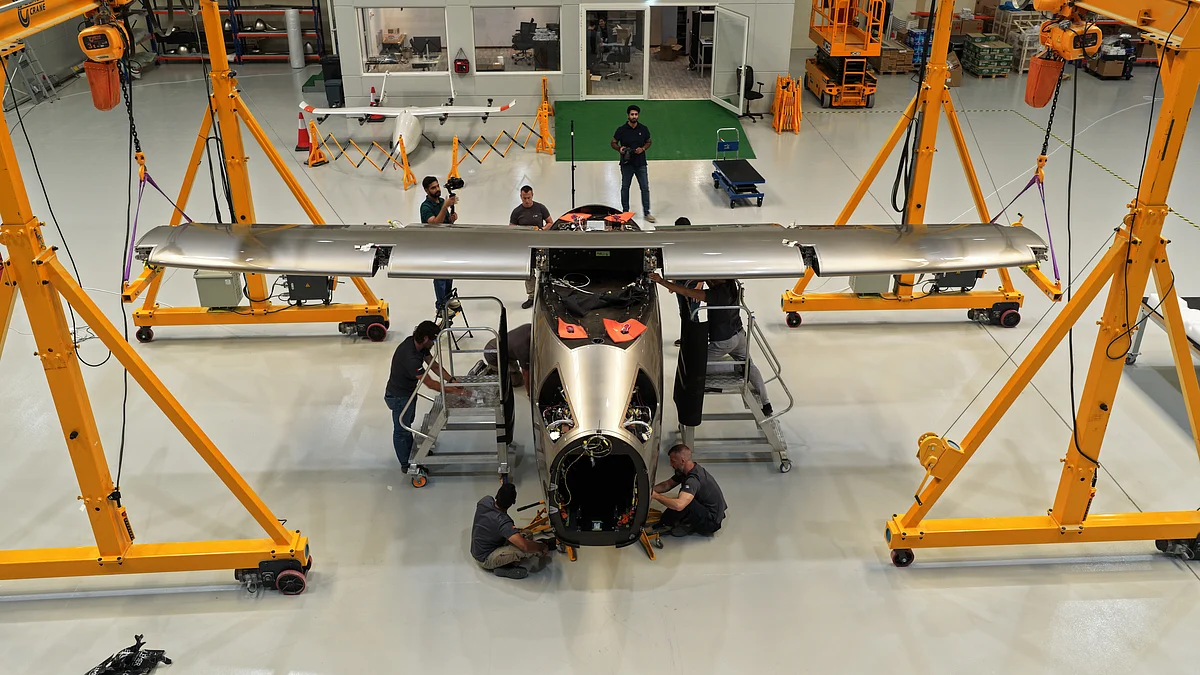
A new unmanned cargo aircraft developed in Abu Dhabi is aiming to solve one of logistics’ most persistent challenges: moving goods quickly and efficiently between regional hubs without relying on complex airport infrastructure or large crews.
LODD Autonomous, an aerospace start-up headquartered in the capital, has developed a medium-sized autonomous cargo aircraft, ‘Hili’, designed specifically for what the industry calls the “middle mile” — the stage between major logistics hubs and local distribution centres.
The company says it has already signed agreements to produce more than 200 aircraft for major air operators, including Emirates and Etihad Cargo, as well as international logistics players.
Stay up to date with the latest news. Follow KT on WhatsApp Channels.
“The demand to connect logistics hubs very quickly is growing everywhere,” said Rashid Al Manai, chief executive of LODD Autonomous. “E-commerce is booming, trade volumes are increasing, and existing air cargo solutions are expensive and infrastructure heavy. We wanted a faster, more efficient alternative.”
Why unmanned cargo — and why now
While much of the global focus in advanced air mobility has centred on passenger-carrying aircraft, Al Manai said cargo was the more practical starting point.
“Carrying passengers introduces major safety and regulatory complexity,” he said. “With cargo, autonomy allows you to simplify the aircraft design, reduce costs, and scale operations much faster.” Rashid Al Manai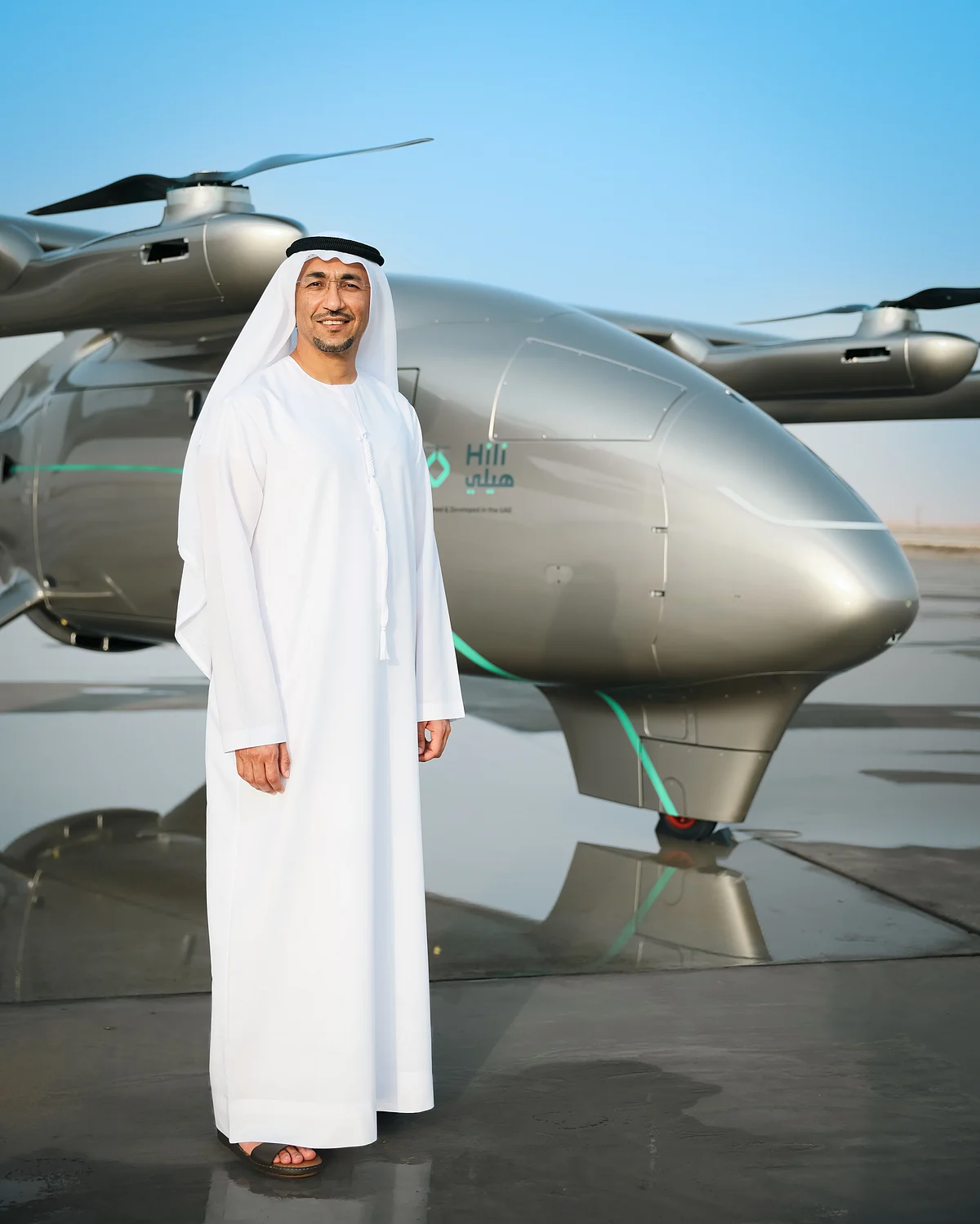
The aircraft is designed to operate without an onboard pilot, relying instead on autonomous systems monitored by operators on the ground. According to the company, a single pilot could eventually supervise multiple aircraft at the same time, a model that could help address the global shortage of cargo pilots.
“With autonomy and AI, you don’t need one pilot per aircraft,” Al Manai said. “That’s what makes air cargo cheaper and more efficient.”
Built for the ‘middle mile’
Unlike small delivery drones — a space Al Manai describes as already saturated — LODD is targeting medium-sized cargo operations, capable of carrying hundreds of kilograms over hundreds of kilometres.
“This is the segment nobody was really working on,” he said. “It’s more expensive to develop and takes longer, but it’s where the real logistics bottlenecks are.”
The aircraft is designed to move goods between manufacturing centres, regional warehouses and neighbouring countries — for example, from a regional hub in the UAE to nearby Gulf markets — before last-mile delivery takes over.
“It’s not for delivering a parcel to your door,” Al Manai said. “It’s for moving significant volumes quickly between hubs.”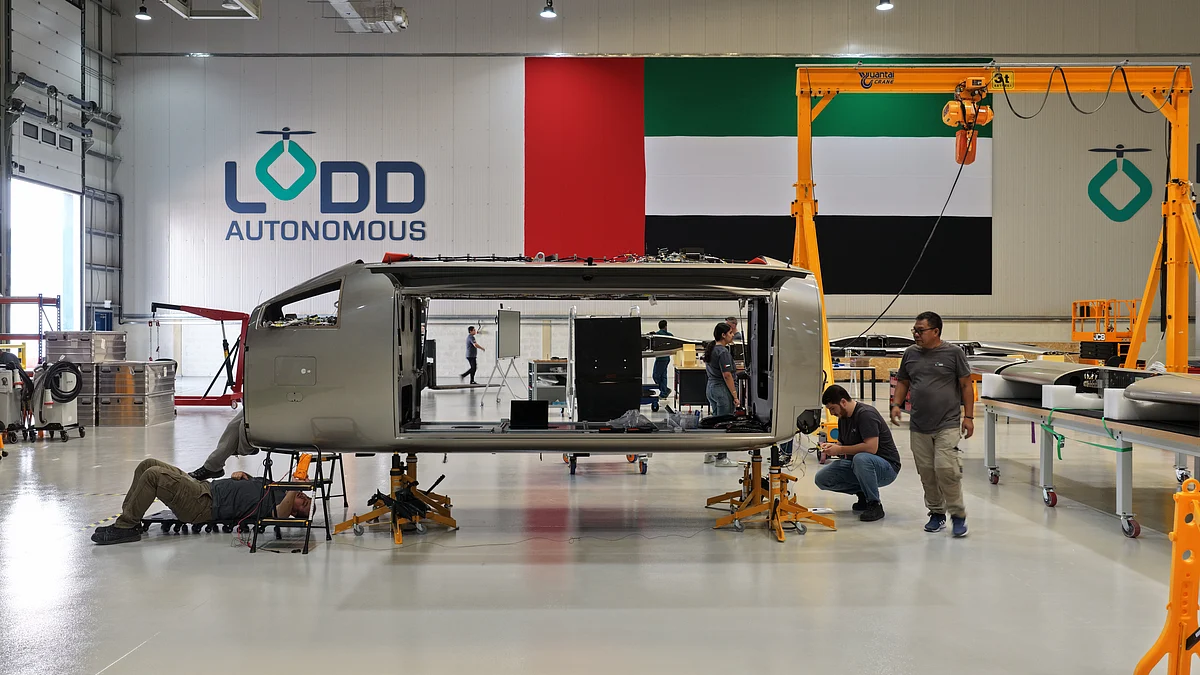
No runway, no charging downtime
One of the aircraft’s key features is its ability to take off and land vertically, removing the need for runways or large airport infrastructure.
“It doesn’t need an airport at all,” said Fatema Al Marzooqi, aerospace engineer and project manager at LODD. “It can land near a logistics facility, pick up the cargo, and fly directly to the destination.”
The aircraft uses a hybrid propulsion system, combining electric motors with a combustion engine. While cruising, the engine powers a generator that recharges the batteries mid-flight, eliminating long charging times after landing.
“You don’t have to plug it in and wait hours,” Al Marzooqi said. “The system charges itself while flying.”
From concept to flight in under two years
According to the company, development moved rapidly from concept to flight testing. Al Manai said the aircraft went from idea to flying prototype in just 19 months — a timeline he described as unusually fast for aerospace development.
Testing is currently focused on ensuring the aircraft can safely manoeuvre in vertical take-off and landing mode before transitioning fully to fixed-wing flight. Experimental operations with partner companies are expected to begin later this year, with full certification targeted in the longer term.
“We’re still in the proof-of-concept phase,” Al Marzooqi said. “We test, modify, and iterate. That’s how aerospace development works.”
International interest, local roots
While LODD is based in Abu Dhabi, the company says interest has come from global cargo and logistics players across Europe, Africa and the UK, alongside regional airlines and operators.
Al Manai said that international demand reflects a broader shift in how cargo operators are thinking about speed, flexibility and infrastructure.
“There’s a real appetite for solutions that don’t require massive investment on the ground,” he said. “That’s where autonomous cargo makes sense.”
The company’s unmanned cargo aircraft was designed, developed and built in the UAE, a point LODD sees as significant but not central to its pitch.
“What matters most is that it works — and that it solves a real problem,” Al Marzooqi said.
What's Your Reaction?