





























Chaiti Chhath 2026 Begins Today: Know The Rituals, Significance And Four-Day Puja Calendar
Chhath Puja, often referred to as a grand festival of faith, is a significant Hindu observance dedicated to the worship of the Sun God and Chhathi Maiya. Celebrated twice a year, in the months of Kartik and Chaitra, the festival spans four days and reflects deep-rooted devotion, purity, and discipline. This year, the Chaiti Chhath festival commenced on March 22 with the ritual of Nahaye Khaye, marking the formal beginning of the four-day-long celebration. The festival starts on the fourth day (Chaturthi) of the Shukla Paksha in the month of Chaitra and continues with a series of important rituals. ALSO READ: Chaitra Navratri 2026 Day 4: Know Puja Muhurat, Mantras, And All About Worshipping Goddess Kushmanda Significance Of Nahaye Khaye The term ‘Nahaye Khaye’ combines two words, ‘Nahaye’, meaning a sacred bath, and ‘Khaye’, meaning food. The ritual signifies purification through a holy bath followed by the consumption of satvik (pure vegetarian) food, marking the beginning of the fast with discipline and devotion. On this first day, devotees take a dip in a river or use clean water for a purifying bath, followed by thorough cleaning of their homes. Special satvik meals are prepared with strict adherence to purity. Traditional dishes include steamed rice (arwa chawal), pumpkin curry, and chana dal, cooked without garlic and onion, and prepared using ghee. Before consumption, the food is first offered to the deity as prasad. The devotee then partakes in it, followed by other family members. It is believed that this ritual purifies both body and mind, preparing devotees for the rigorous fasting and worship in the coming days. Four-Day Rituals Of Chhath Puja The Chhath festival unfolds over four days, beginning with Nahaye Khaye, followed by Kharna on the second day, Sandhya Arghya (evening offering to the Sun) on the third day, and Usha Arghya (morning offering) on the final day. After Kharna, devotees observe a strict 36-hour waterless fast (nirjala vrat), culminating in offerings to the Sun God and prayers to Chhathi Maiya. The fast is undertaken with the belief of seeking happiness, prosperity, and well-being for the family. Celebration Across Regions Chaiti Chhath is predominantly celebrated with great devotion in Bihar, Jharkhand, eastern Uttar Pradesh, and the Terai region of Nepal. In recent years, the festival has gained popularity in other parts of the country as well. Chhath Puja is widely regarded as a symbol of harmony with nature, cultural tradition, unwavering faith, and strict discipline. [Disclaimer: The content of this article is based solely on beliefs, and should be taken as general guidance. Individual experiences may vary. ABPLive.com does not assert the accuracy or validity of any claims or information presented. It is strongly recommended to consult a qualified expert before considering or implementing any information or belief discussed herein.]
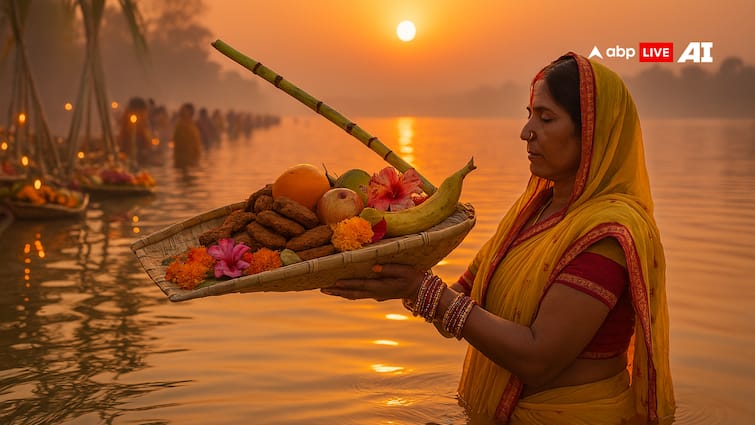
Chhath Puja, often referred to as a grand festival of faith, is a significant Hindu observance dedicated to the worship of the Sun God and Chhathi Maiya. Celebrated twice a year, in the months of Kartik and Chaitra, the festival spans four days and reflects deep-rooted devotion, purity, and discipline.
This year, the Chaiti Chhath festival commenced on March 22 with the ritual of Nahaye Khaye, marking the formal beginning of the four-day-long celebration. The festival starts on the fourth day (Chaturthi) of the Shukla Paksha in the month of Chaitra and continues with a series of important rituals.
ALSO READ: Chaitra Navratri 2026 Day 4: Know Puja Muhurat, Mantras, And All About Worshipping Goddess Kushmanda
Significance Of Nahaye Khaye
The term ‘Nahaye Khaye’ combines two words, ‘Nahaye’, meaning a sacred bath, and ‘Khaye’, meaning food. The ritual signifies purification through a holy bath followed by the consumption of satvik (pure vegetarian) food, marking the beginning of the fast with discipline and devotion.
On this first day, devotees take a dip in a river or use clean water for a purifying bath, followed by thorough cleaning of their homes. Special satvik meals are prepared with strict adherence to purity. Traditional dishes include steamed rice (arwa chawal), pumpkin curry, and chana dal, cooked without garlic and onion, and prepared using ghee.
Before consumption, the food is first offered to the deity as prasad. The devotee then partakes in it, followed by other family members. It is believed that this ritual purifies both body and mind, preparing devotees for the rigorous fasting and worship in the coming days.
Four-Day Rituals Of Chhath Puja
The Chhath festival unfolds over four days, beginning with Nahaye Khaye, followed by Kharna on the second day, Sandhya Arghya (evening offering to the Sun) on the third day, and Usha Arghya (morning offering) on the final day.
After Kharna, devotees observe a strict 36-hour waterless fast (nirjala vrat), culminating in offerings to the Sun God and prayers to Chhathi Maiya. The fast is undertaken with the belief of seeking happiness, prosperity, and well-being for the family.
Celebration Across Regions
Chaiti Chhath is predominantly celebrated with great devotion in Bihar, Jharkhand, eastern Uttar Pradesh, and the Terai region of Nepal. In recent years, the festival has gained popularity in other parts of the country as well.
Chhath Puja is widely regarded as a symbol of harmony with nature, cultural tradition, unwavering faith, and strict discipline.
[Disclaimer: The content of this article is based solely on beliefs, and should be taken as general guidance. Individual experiences may vary. ABPLive.com does not assert the accuracy or validity of any claims or information presented. It is strongly recommended to consult a qualified expert before considering or implementing any information or belief discussed herein.]
What's Your Reaction?