
































China weighs oil reserve release amid Iran tensions
China is preparing to draw on its extensive commercial crude stockpiles as instability linked to Iran threatens to tighten global supply, signalling a shift in how the world’s largest oil importer manages energy security under geopolitical strain.Energy consultancy FGE NexantECA indicates that Beijing is nearing a decision to utilise privately held and state-influenced reserves to cushion domestic markets against potential disruptions from escalating conflict in the Middle East. The move reflects growing concern that sustained tensions involving Iran could constrain exports through critical shipping routes, including the Strait of Hormuz, a chokepoint for a significant share of global oil flows.China has accumulated vast inventories over the past decade, combining strategic petroleum reserves with commercial storage held by state-owned refiners and independent operators. Analysts estimate that total holdings run into hundreds of millions of barrels, giving authorities a substantial buffer to stabilise supply without immediately increasing imports at elevated prices.The prospect of tapping these reserves comes as benchmark crude prices show heightened volatility, driven by fears of supply interruptions and insurance risks for tankers navigating Gulf waters. Traders have been pricing in the possibility of reduced Iranian exports, either through direct disruption or tighter enforcement of sanctions amid shifting geopolitical alignments.Officials in Beijing have not publicly confirmed any imminent release, but market signals suggest preparatory steps are under way. Refining margins in Asia have narrowed, while import patterns indicate a degree of caution, with some buyers delaying cargoes or seeking alternative suppliers outside the Middle East. The strategic calculus appears focused on avoiding panic buying that could exacerbate price spikes.China’s approach differs from coordinated releases led by the International Energy Agency, which typically involve government-controlled reserves. Instead, the country has increasingly relied on a hybrid system where commercial inventories can be mobilised through administrative guidance. This model allows for flexibility while maintaining a degree of opacity, limiting the market impact of official announcements.Industry experts note that the scale of China’s stockpiles gives it a unique capacity to influence regional demand dynamics. A measured release could dampen immediate import requirements, easing pressure on global benchmarks. At the same time, sustained withdrawals would need to be balanced against the need to rebuild inventories, particularly if geopolitical risks persist.The Iran factor remains central to the outlook. Despite sanctions, China has continued to import significant volumes of Iranian crude, often through indirect channels. Any escalation that disrupts these flows would force refiners to seek replacements from other producers, including Russia, Saudi Arabia and Iraq, potentially reshaping trade patterns across Asia.Shipping constraints add another layer of complexity. Insurers have raised premiums for vessels operating in high-risk zones, while some operators are reconsidering routes to minimise exposure. These developments could tighten effective supply even if production levels remain unchanged, reinforcing the rationale for drawing on stored barrels.Domestic considerations also play a role. China’s economic recovery has been uneven, with industrial activity and transport demand fluctuating. Authorities are keen to prevent energy costs from becoming a drag on growth, particularly as policymakers navigate broader challenges in the property sector and export markets. Using reserves offers a tool to smooth price shocks without resorting to aggressive monetary or fiscal measures.The move aligns with a broader trend among major economies to reassess energy security strategies in an era of heightened geopolitical risk. Strategic stockpiles, once seen primarily as emergency buffers, are increasingly being deployed as active instruments of market management. China’s large-scale storage capacity positions it at the forefront of this shift.Market participants are closely watching for signs of implementation. A sustained drawdown could influence price expectations, especially if combined with policy signals discouraging speculative buying. Conversely, a limited or symbolic release may have only a modest effect, serving more as a reassurance to domestic consumers than a decisive intervention.Producers in the Middle East are also monitoring developments. Any reduction in Chinese import demand could affect export volumes and pricing strategies, particularly for grades competing directly with Iranian crude. At the same time, alternative suppliers may see opportunities to capture market share if disruptions intensify.The article China weighs oil reserve release amid Iran tensions appeared first on Arabian Post.

Energy consultancy FGE NexantECA indicates that Beijing is nearing a decision to utilise privately held and state-influenced reserves to cushion domestic markets against potential disruptions from escalating conflict in the Middle East. The move reflects growing concern that sustained tensions involving Iran could constrain exports through critical shipping routes, including the Strait of Hormuz, a chokepoint for a significant share of global oil flows.
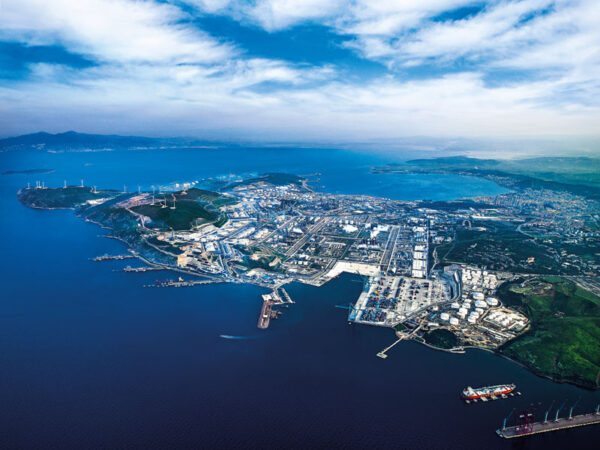
China has accumulated vast inventories over the past decade, combining strategic petroleum reserves with commercial storage held by state-owned refiners and independent operators. Analysts estimate that total holdings run into hundreds of millions of barrels, giving authorities a substantial buffer to stabilise supply without immediately increasing imports at elevated prices.
The prospect of tapping these reserves comes as benchmark crude prices show heightened volatility, driven by fears of supply interruptions and insurance risks for tankers navigating Gulf waters. Traders have been pricing in the possibility of reduced Iranian exports, either through direct disruption or tighter enforcement of sanctions amid shifting geopolitical alignments.
Officials in Beijing have not publicly confirmed any imminent release, but market signals suggest preparatory steps are under way. Refining margins in Asia have narrowed, while import patterns indicate a degree of caution, with some buyers delaying cargoes or seeking alternative suppliers outside the Middle East. The strategic calculus appears focused on avoiding panic buying that could exacerbate price spikes.
China’s approach differs from coordinated releases led by the International Energy Agency, which typically involve government-controlled reserves. Instead, the country has increasingly relied on a hybrid system where commercial inventories can be mobilised through administrative guidance. This model allows for flexibility while maintaining a degree of opacity, limiting the market impact of official announcements.
Industry experts note that the scale of China’s stockpiles gives it a unique capacity to influence regional demand dynamics. A measured release could dampen immediate import requirements, easing pressure on global benchmarks. At the same time, sustained withdrawals would need to be balanced against the need to rebuild inventories, particularly if geopolitical risks persist.
The Iran factor remains central to the outlook. Despite sanctions, China has continued to import significant volumes of Iranian crude, often through indirect channels. Any escalation that disrupts these flows would force refiners to seek replacements from other producers, including Russia, Saudi Arabia and Iraq, potentially reshaping trade patterns across Asia.
Shipping constraints add another layer of complexity. Insurers have raised premiums for vessels operating in high-risk zones, while some operators are reconsidering routes to minimise exposure. These developments could tighten effective supply even if production levels remain unchanged, reinforcing the rationale for drawing on stored barrels.
Domestic considerations also play a role. China’s economic recovery has been uneven, with industrial activity and transport demand fluctuating. Authorities are keen to prevent energy costs from becoming a drag on growth, particularly as policymakers navigate broader challenges in the property sector and export markets. Using reserves offers a tool to smooth price shocks without resorting to aggressive monetary or fiscal measures.
The move aligns with a broader trend among major economies to reassess energy security strategies in an era of heightened geopolitical risk. Strategic stockpiles, once seen primarily as emergency buffers, are increasingly being deployed as active instruments of market management. China’s large-scale storage capacity positions it at the forefront of this shift.
Market participants are closely watching for signs of implementation. A sustained drawdown could influence price expectations, especially if combined with policy signals discouraging speculative buying. Conversely, a limited or symbolic release may have only a modest effect, serving more as a reassurance to domestic consumers than a decisive intervention.
Producers in the Middle East are also monitoring developments. Any reduction in Chinese import demand could affect export volumes and pricing strategies, particularly for grades competing directly with Iranian crude. At the same time, alternative suppliers may see opportunities to capture market share if disruptions intensify.
The article China weighs oil reserve release amid Iran tensions appeared first on Arabian Post.
What's Your Reaction?