































Cooler spell and showers forecast across UAE
Light rainfall and a dip in temperatures are expected across parts of the UAE early next week, as forecasters point to unstable weather conditions developing over the country. Authorities have advised residents and mariners to monitor updates, with maritime activity set to be affected by rougher seas in the Arabian Gulf by nightfall. The National Center of Meteorology has indicated that cloud cover will increase over coastal […] The article Cooler spell and showers forecast across UAE appeared first on Arabian Post.
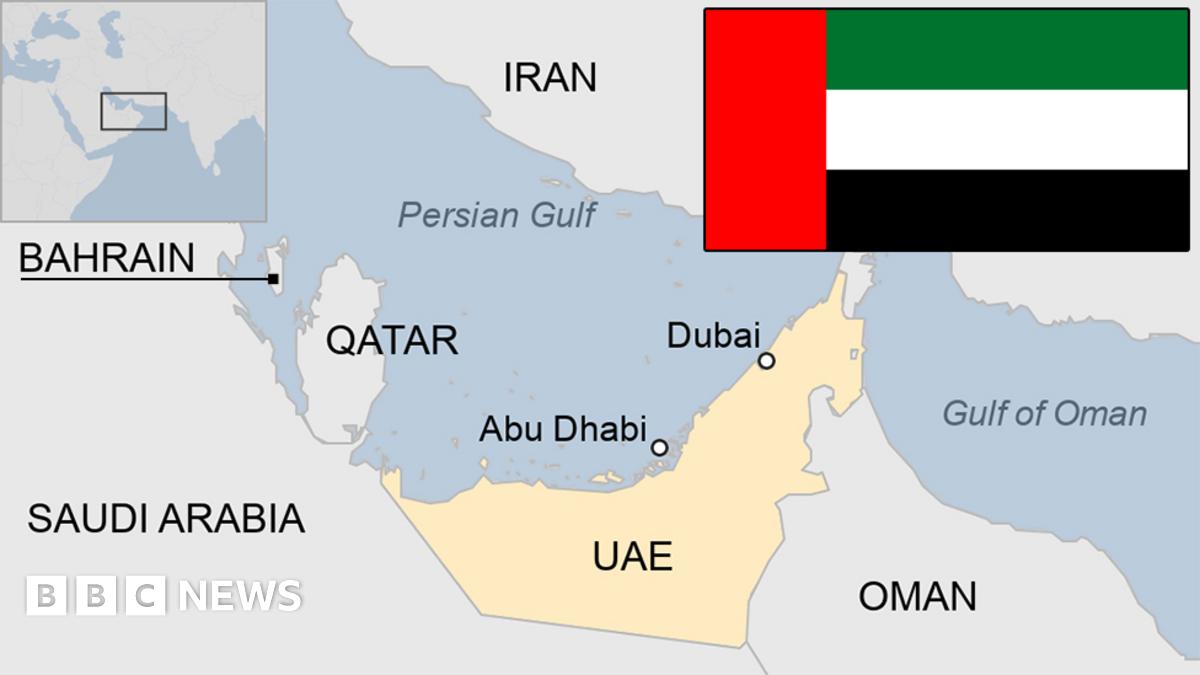
Light rainfall and a dip in temperatures are expected across parts of the UAE early next week, as forecasters point to unstable weather conditions developing over the country. Authorities have advised residents and mariners to monitor updates, with maritime activity set to be affected by rougher seas in the Arabian Gulf by nightfall.
The National Center of Meteorology has indicated that cloud cover will increase over coastal and northern areas, bringing scattered showers and a noticeable fall in daytime temperatures. Maximum temperatures, which have hovered in the high twenties to low thirties Celsius in many parts of the country, are forecast to ease by several degrees, particularly in Abu Dhabi and Dubai, where humidity levels are also expected to fluctuate.
Forecasters say the shift is linked to a trough of low pressure extending from the west, combined with surface heating and moist air masses moving in from the Arabian Gulf and the Oman Sea. Such transitional weather patterns are typical during seasonal changes, when atmospheric instability can trigger brief but intense rainfall in otherwise arid conditions.
While rainfall totals are not expected to be significant, authorities caution that even light showers can reduce visibility and create slippery road conditions. Police in several emirates have urged motorists to reduce speed during rainfall and to maintain safe distances between vehicles. The Ministry of Interior’s emergency and crisis management units remain on alert, particularly in low-lying areas prone to water accumulation.
Marine forecasts indicate that winds could freshen at times, especially over open waters. The Arabian Gulf is expected to become rough by night, with wave heights increasing, while the Oman Sea will remain slight to moderate but may see choppy conditions under stronger gusts. Fishermen and operators of small craft have been advised to exercise caution, particularly during late evening hours when winds are projected to intensify.
Aviation authorities are also monitoring conditions, though no major disruptions have been signalled. Low cloud cover and patchy mist during early morning hours may briefly affect horizontal visibility in some inland and coastal areas. Airports in Abu Dhabi and Dubai have contingency measures in place for weather-related adjustments to flight schedules if required.
Climatologists note that the UAE’s winter and early spring months can bring episodic rainfall, often driven by upper-air disturbances originating over the eastern Mediterranean and moving eastward. Although the country’s annual average rainfall remains low compared to global standards, periodic showers play a crucial role in replenishing groundwater reserves and supporting natural vegetation in desert and mountainous regions.
The eastern highlands, including areas near Al Ain and the Hajar Mountains, could see convective cloud formation during the afternoon, potentially resulting in isolated showers. Mountainous terrain tends to enhance uplift, increasing the likelihood of rainfall compared with coastal plains. Residents in these areas have been advised to remain vigilant for sudden changes in weather.
Energy and infrastructure planners monitor such forecasts closely. Even short-lived spells of unstable weather can influence electricity demand patterns, particularly if cooler temperatures reduce air-conditioning loads. Construction sites, which operate year-round across the federation, may also adjust schedules to account for rain and gusty winds.
Public health officials often use cooler intervals to reiterate guidance on seasonal illnesses. Fluctuations in temperature and humidity can contribute to respiratory complaints, especially among vulnerable groups. Authorities recommend appropriate clothing during cooler evenings and caution against outdoor exposure during strong winds.
Environmental experts highlight that while rainfall events are welcome in arid climates, they can pose challenges in urban settings with high-density development. Stormwater drainage systems have been upgraded in several emirates over the past decade, following heavier downpours that caused temporary flooding in parts of Dubai and Sharjah. Municipal teams are prepared to deploy pumps and clear blocked drains should conditions warrant.
The broader Gulf region has experienced variable weather patterns during this transitional period, with neighbouring countries also reporting scattered rainfall and cooler conditions. Meteorological agencies across the region share data to enhance forecasting accuracy and coordinate advisories, particularly for maritime and aviation sectors.
The article Cooler spell and showers forecast across UAE appeared first on Arabian Post.
What's Your Reaction?