











Dubai Project Management Forum opens
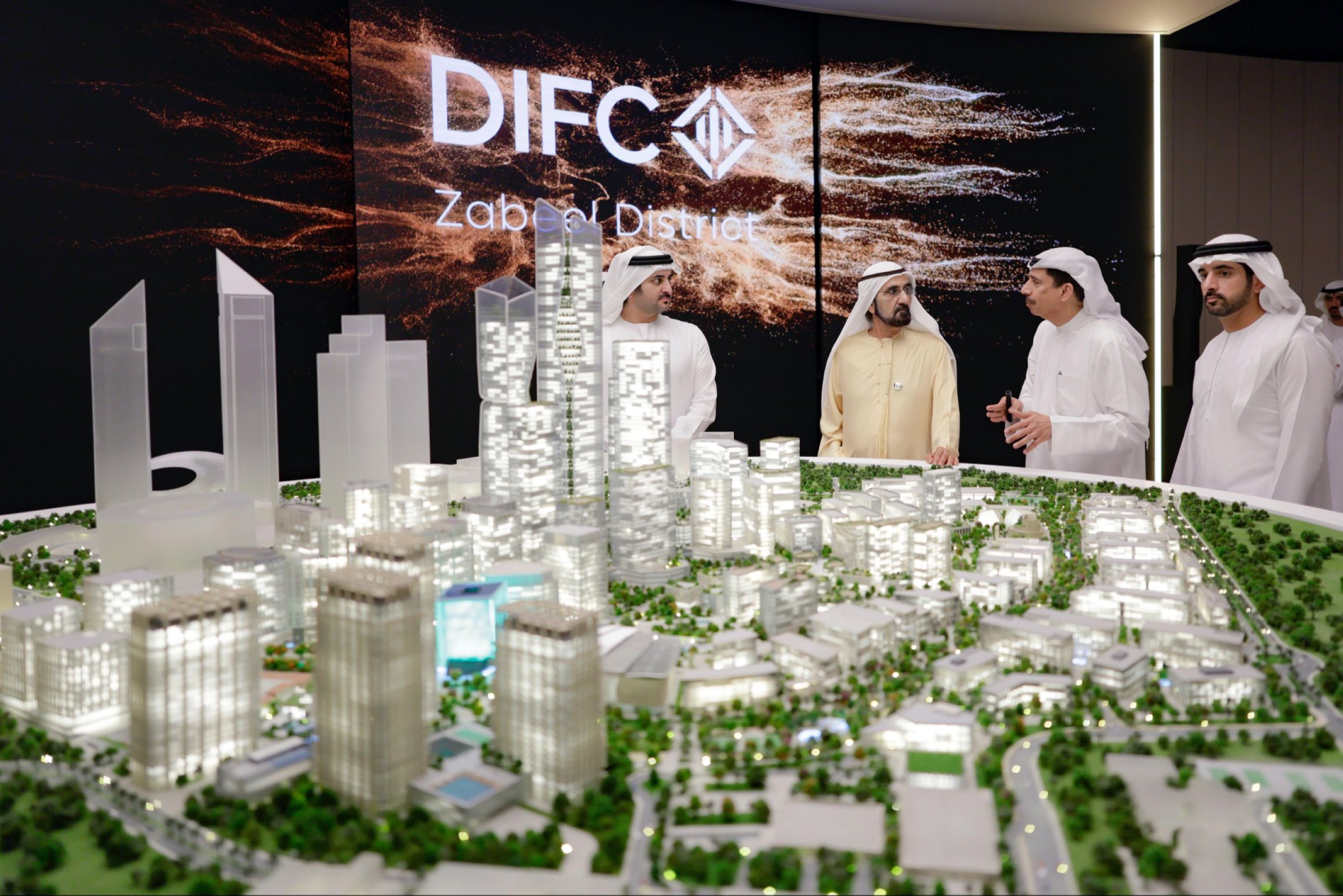
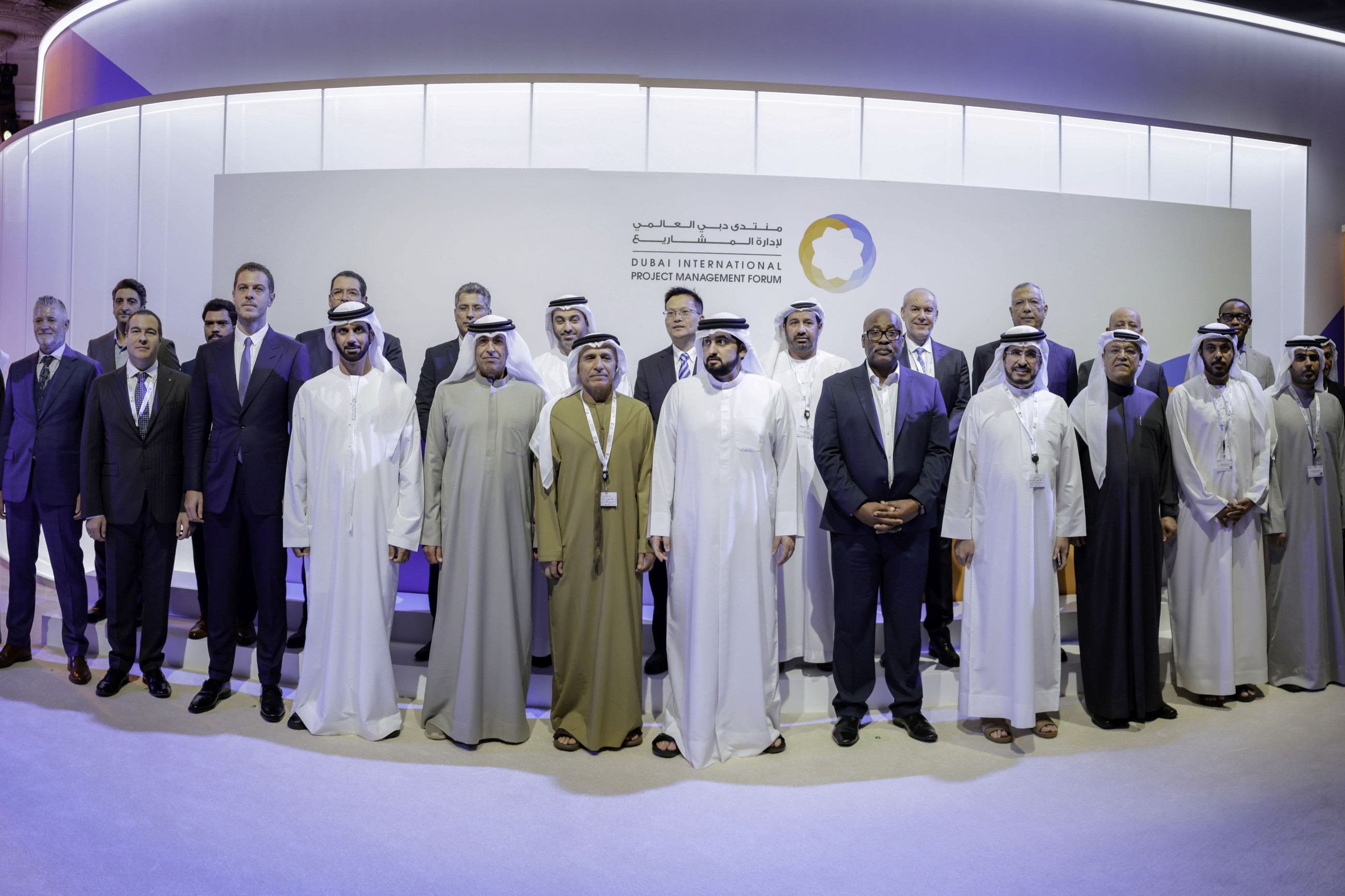
Under the patronage of Sheikh Hamdan Bin Mohammed Bin Rashid Al Maktoum, Crown Prince of Dubai, Deputy Prime Minister, Minister of Defence, and Chairman of The Executive Council of Dubai, Sheikh Ahmed Bin Mohammed Bin Rashid Al Maktoum, Second Deputy Ruler of Dubai, inaugurated the 11th Dubai International Project Management Forum (DIPMF), held under the theme ‘Bridging Communities,’ in the presence of dignitaries, heads of public entities, and senior executives from leading global companies.Sheikh Ahmed was received upon his arrival at the venue at Madinat Jumeirah by Mattar Al Tayer, Director-General, Chairman of the Board of Executive Directors of the Roads and Transport Authority (RTA) in Dubai; and Abdulla Mohammed Al Basti, Secretary-General of The Executive Council of Dubai.During the ceremony, a mural was unveiled before Sheikh Hamdan, tracing the evolution of public transport infrastructure in the emirate over the course of a century. Entitled ‘A Century of Mobility in Dubai,’ the mural highlights Dubai’s legacy in developing road and transport infrastructure over time. The mural recounts the development of public mobility services, starting in the era of the late Sheikh Saeed Bin Maktoum Al Maktoum, who adopted a policy of openness and laid the foundations for the emirate’s sustained development, and through the era of the late Sheikh Rashid bin Saeed Al Maktoum, the architect of modern Dubai.During Sheikh Rashid’s era, Dubai witnessed the introduction of public transport services and the construction of major roads and bridges, most notably the expansion of the road network and the opening of Al Maktoum Bridge in 1963, the first crossing over Dubai Creek, which was built by international companies. The period also saw the opening of Al Shindagha Tunnel, the first tunnel linking Deira and Bur Dubai; the development of the Clock Tower, one of Dubai’s most prominent landmarks; the establishment of Port Rashid; and the construction of Rashid Tower (World Trade Centre).Dubai’s comprehensive development momentum continued with a transformative leap under the leadership of His Highness Sheikh Mohammed Bin Rashid Al Maktoum, Vice President, Prime Minister and Ruler of Dubai, who elevated Dubai into a globally acclaimed city setting international benchmarks and charting exemplary competitiveness indicators across diverse sectors.During this phase, the roads and transport sector witnessed major shifts through the adoption of a holistic vision that integrated road networks with public transport systems. Strategic projects such as the Dubai Metro, Dubai Tram, and the public bus network were delivered alongside the deployment of smart solutions and advanced traffic management systems in line with global best practices, significantly enhancing mobility efficiency and quality of life.The mural also depicted the mobility shift inspired by Sheikh Hamdan’s future-focused vision, which places immense emphasis on anticipating next-generation mobility solutions, notably autonomous vehicles, air taxis, and smart and sustainable mobility options, alongside the deployment of advanced technologies and artificial intelligence in managing the transport ecosystem.Sheikh Ahmed also reviewed a model of the Dubai Auto Market development project overseen by DP World, which is set to be the largest and most advanced of its kind globally. Spanning an area of 22 million square feet, the project will feature more than 1,500 showrooms, in addition to dedicated zones for workshop complexes, warehouses, and multi-storey parking facilities. It will also include a conference centre, a hotel, an auction house, and dedicated spaces for restaurants, cafés, and retail outlets.H.H. Sheikh Ahmed reviewed the model of the Emaar Properties iconic station, the world’s highest metro station, standing 74 metres tall and spanning 38 metres in width. Inspired by the concept of a Gateway, the station features a distinctive urban design, which will mark an exceptional new addition to Dubai’s architectural landscape. It reflects the emirate’s vision as a gateway to the future, delivers a strong visual presence that integrates seamlessly with the surrounding urban fabric, and advances the concept of placemaking.WAM
Under the patronage of Sheikh Hamdan Bin Mohammed Bin Rashid Al Maktoum, Crown Prince of Dubai, Deputy Prime Minister, Minister of Defence, and Chairman of The Executive Council of Dubai, Sheikh Ahmed Bin Mohammed Bin Rashid Al Maktoum, Second Deputy Ruler of Dubai, inaugurated the 11th Dubai International Project Management Forum (DIPMF), held under the theme ‘Bridging Communities,’ in the presence of dignitaries, heads of public entities, and senior executives from leading global companies.Sheikh Ahmed was received upon his arrival at the venue at Madinat Jumeirah by Mattar Al Tayer, Director-General, Chairman of the Board of Executive Directors of the Roads and Transport Authority (RTA) in Dubai; and Abdulla Mohammed Al Basti, Secretary-General of The Executive Council of Dubai.During the ceremony, a mural was unveiled before Sheikh Hamdan, tracing the evolution of public transport infrastructure in the emirate over the course of a century. Entitled ‘A Century of Mobility in Dubai,’ the mural highlights Dubai’s legacy in developing road and transport infrastructure over time. The mural recounts the development of public mobility services, starting in the era of the late Sheikh Saeed Bin Maktoum Al Maktoum, who adopted a policy of openness and laid the foundations for the emirate’s sustained development, and through the era of the late Sheikh Rashid bin Saeed Al Maktoum, the architect of modern Dubai.During Sheikh Rashid’s era, Dubai witnessed the introduction of public transport services and the construction of major roads and bridges, most notably the expansion of the road network and the opening of Al Maktoum Bridge in 1963, the first crossing over Dubai Creek, which was built by international companies. The period also saw the opening of Al Shindagha Tunnel, the first tunnel linking Deira and Bur Dubai; the development of the Clock Tower, one of Dubai’s most prominent landmarks; the establishment of Port Rashid; and the construction of Rashid Tower (World Trade Centre).Dubai’s comprehensive development momentum continued with a transformative leap under the leadership of His Highness Sheikh Mohammed Bin Rashid Al Maktoum, Vice President, Prime Minister and Ruler of Dubai, who elevated Dubai into a globally acclaimed city setting international benchmarks and charting exemplary competitiveness indicators across diverse sectors.During this phase, the roads and transport sector witnessed major shifts through the adoption of a holistic vision that integrated road networks with public transport systems. Strategic projects such as the Dubai Metro, Dubai Tram, and the public bus network were delivered alongside the deployment of smart solutions and advanced traffic management systems in line with global best practices, significantly enhancing mobility efficiency and quality of life.The mural also depicted the mobility shift inspired by Sheikh Hamdan’s future-focused vision, which places immense emphasis on anticipating next-generation mobility solutions, notably autonomous vehicles, air taxis, and smart and sustainable mobility options, alongside the deployment of advanced technologies and artificial intelligence in managing the transport ecosystem.Sheikh Ahmed also reviewed a model of the Dubai Auto Market development project overseen by DP World, which is set to be the largest and most advanced of its kind globally. Spanning an area of 22 million square feet, the project will feature more than 1,500 showrooms, in addition to dedicated zones for workshop complexes, warehouses, and multi-storey parking facilities. It will also include a conference centre, a hotel, an auction house, and dedicated spaces for restaurants, cafés, and retail outlets.H.H. Sheikh Ahmed reviewed the model of the Emaar Properties iconic station, the world’s highest metro station, standing 74 metres tall and spanning 38 metres in width. Inspired by the concept of a Gateway, the station features a distinctive urban design, which will mark an exceptional new addition to Dubai’s architectural landscape. It reflects the emirate’s vision as a gateway to the future, delivers a strong visual presence that integrates seamlessly with the surrounding urban fabric, and advances the concept of placemaking.WAM
What's Your Reaction?








Economist Admin
Admin managing news updates, RSS feed curation, and PR content publishing. Focused on timely, accurate, and impactful information delivery.