
















Dubai South to draw more end-users as DWC expansion creates more jobs
Dubai South communities around the upcoming Al Maktoum International Airport will draw more end-users as companies expand there due to major infrastructure projects.Industry executives suggest that many communities in Dubai’s southern part are still affordable compared to old and established areas of the emirate.“Demand will be strongest in areas combining infrastructure investment, lifestyle appeal and long-term value. Dubai South will continue to attract end-users and investors due to affordability and airport-led growth,” said Himanshi Trivedi, deputy director for off-plan sales at Metropolitan Premium Properties.Stay up to date with the latest news. Follow KT on WhatsApp Channels.Himanshi TrivediWork on the world’s largest upcoming Al Maktoum International Airport is underway to open for passengers in 2032. It is estimated that the airport will generate an estimated workforce and residential requirement for over a million people living and working in Dubai South.Dubai World Central (DWC) is designed as a self-sufficient city with schools, healthcare, retail, parks, and community facilities—key factors for end-users rather than short-term investors.Strong government backing and long-term planning around DWC give buyers confidence in the area’s sustainability and growth.According to Betterhomes data, Dubai Investment Park, Jumeirah Village Circle (JVC), Dubai South Residential District and Al Furjan and Town Square will see more supply than some of the other established communities in the coming years, as more and more developers focus on these areas due to growing demand due to airport relocation.Thousands of new jobsEchoing Himanshi Trivedi's views, Humaira Vaqqas, senior consultant at Range International Properties, said there is a strong likelihood that more end-users will buy properties in Dubai South and surrounding communities from 2026 onwards.“As Al Maktoum International Airport (DWC) expands and becomes a major global aviation hub, the area is expected to shift from being investor-driven to more end-user–focused, especially for families and professionals working nearby. Infrastructure development, improved connectivity, and the gradual maturity of the community will make it more liveable and attractive for long-term residence,” she added.Humaira VaqqasHumaira elaborated that the expansion of Al Maktoum International Airport will create thousands of direct and indirect jobs in aviation, logistics, hospitality, and related sectors, hence increasing housing demand from people working in the area.“Dubai South offers comparatively lower property prices and larger unit sizes, making it attractive for first-time buyers and families priced out of established areas. Ongoing and planned road networks, public transport links, and future metro extensions will improve accessibility to major parts of Dubai,” she added.Importantly, she emphasised that rising rents across Dubai may encourage long-term tenants working in nearby areas to purchase homes instead of renting, especially where prices are still reasonable.“End-users often buy with a long-term view, and the expected growth of the airport and surrounding economic zones supports confidence in future value appreciation,” Humairah concluded.Dubai: DWC becomes testbed for airport's self-driving vehicles, hydrogen busesDubai: UK Export Finance to become first foreign investor in DWC expansion
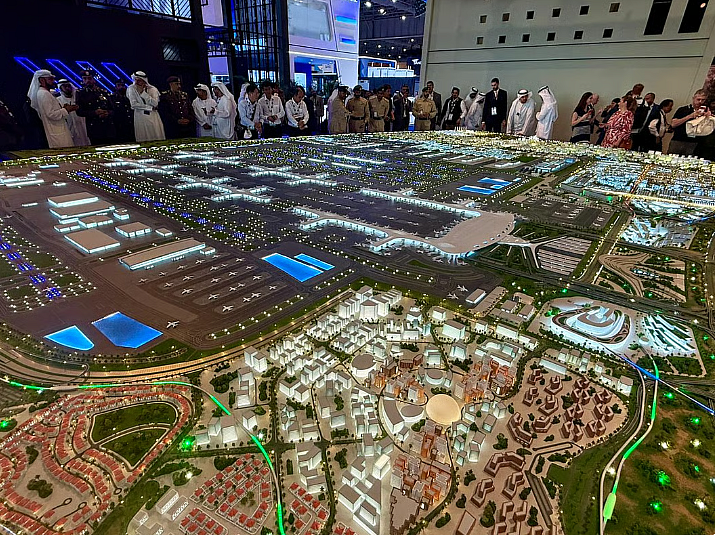
Dubai South communities around the upcoming Al Maktoum International Airport will draw more end-users as companies expand there due to major infrastructure projects.
Industry executives suggest that many communities in Dubai’s southern part are still affordable compared to old and established areas of the emirate.
“Demand will be strongest in areas combining infrastructure investment, lifestyle appeal and long-term value. Dubai South will continue to attract end-users and investors due to affordability and airport-led growth,” said Himanshi Trivedi, deputy director for off-plan sales at Metropolitan Premium Properties.
Stay up to date with the latest news. Follow KT on WhatsApp Channels. Himanshi Trivedi
Work on the world’s largest upcoming Al Maktoum International Airport is underway to open for passengers in 2032. It is estimated that the airport will generate an estimated workforce and residential requirement for over a million people living and working in Dubai South.
Dubai World Central (DWC) is designed as a self-sufficient city with schools, healthcare, retail, parks, and community facilities—key factors for end-users rather than short-term investors.
Strong government backing and long-term planning around DWC give buyers confidence in the area’s sustainability and growth.
According to Betterhomes data, Dubai Investment Park, Jumeirah Village Circle (JVC), Dubai South Residential District and Al Furjan and Town Square will see more supply than some of the other established communities in the coming years, as more and more developers focus on these areas due to growing demand due to airport relocation.
Thousands of new jobs
Echoing Himanshi Trivedi's views, Humaira Vaqqas, senior consultant at Range International Properties, said there is a strong likelihood that more end-users will buy properties in Dubai South and surrounding communities from 2026 onwards.
“As Al Maktoum International Airport (DWC) expands and becomes a major global aviation hub, the area is expected to shift from being investor-driven to more end-user–focused, especially for families and professionals working nearby. Infrastructure development, improved connectivity, and the gradual maturity of the community will make it more liveable and attractive for long-term residence,” she added. Humaira Vaqqas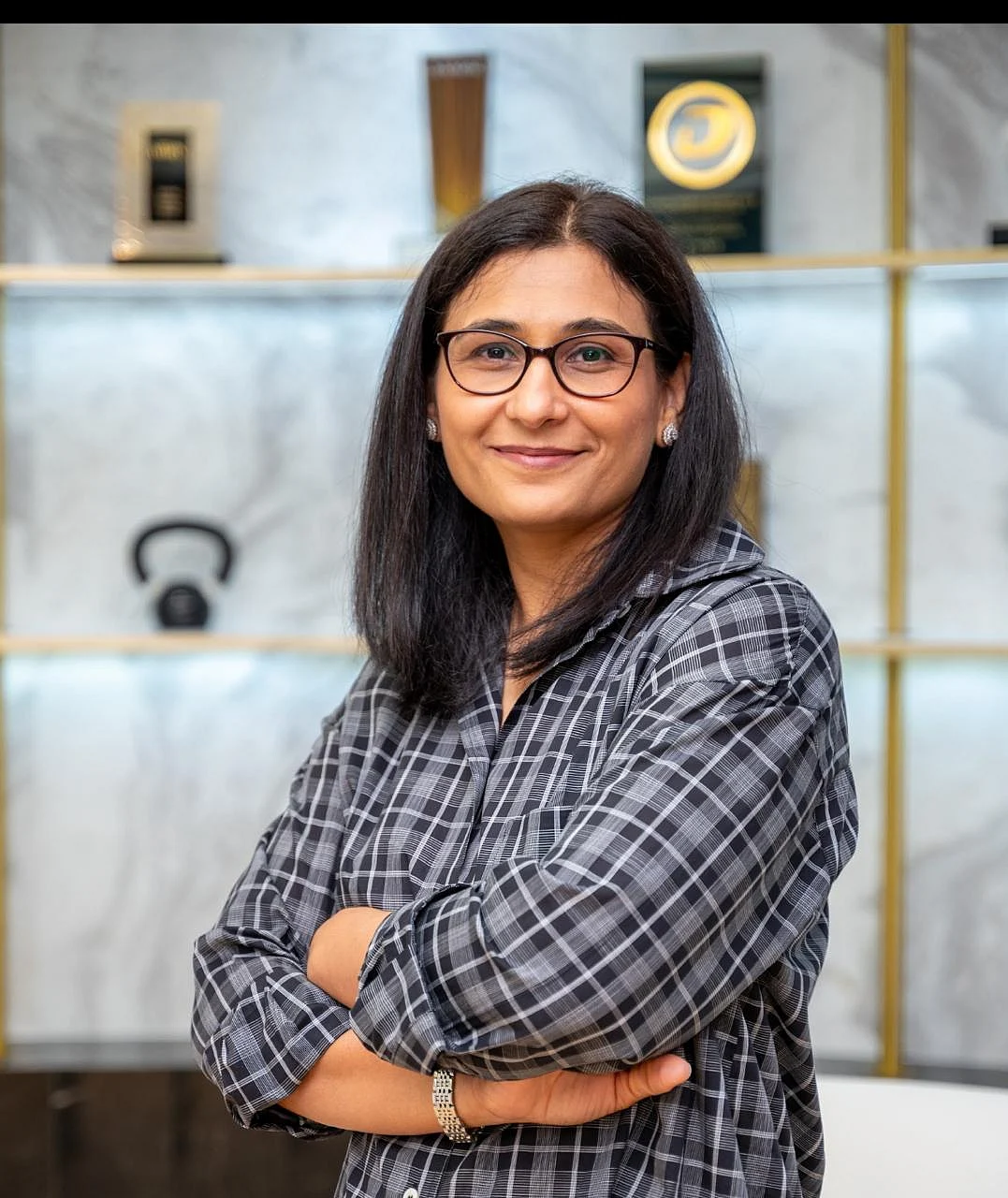
Humaira elaborated that the expansion of Al Maktoum International Airport will create thousands of direct and indirect jobs in aviation, logistics, hospitality, and related sectors, hence increasing housing demand from people working in the area.
“Dubai South offers comparatively lower property prices and larger unit sizes, making it attractive for first-time buyers and families priced out of established areas. Ongoing and planned road networks, public transport links, and future metro extensions will improve accessibility to major parts of Dubai,” she added.
Importantly, she emphasised that rising rents across Dubai may encourage long-term tenants working in nearby areas to purchase homes instead of renting, especially where prices are still reasonable.
“End-users often buy with a long-term view, and the expected growth of the airport and surrounding economic zones supports confidence in future value appreciation,” Humairah concluded.
What's Your Reaction?