
























Dubai tenants seek free parking as tariffs rise; rights depend on lease terms
As Dubai’s variable parking tariff system increases public parking costs, tenants across the emirate are increasingly seeking to secure parking spaces as part of their rents rather than paying escalating hourly and daily fees. Legal experts say it is possible for tenants to include parking at no additional cost, but only through precise contractual arrangements, warning that assumptions about automatic parking rights are among the most common causes of rental disputes.In April 2025, Dubai introduced a variable parking tariff system to manage demand and ease congestion by charging different rates based on location, time of day, and demand levels. Premium zones such as Downtown Dubai, Business Bay, Deira, and Jumeirah now attract higher peak-hour charges, while off-peak and overnight parking remains free.Stay up to date with the latest news. Follow KT on WhatsApp Channels.The impact has been significant. Average public parking costs rose by 51 per cent year on year to about Dh3.03 per hour in the third quarter of 2025, driven by higher daily tariffs and new pricing structures.Against this backdrop, parking has become a key point of negotiation in residential leases.According to Igor Abalov, Managing Partner at Lawford Legal Advisors FZ-LLC, the question of whether a tenant can demand a parking space when it is not expressly stated in the lease is one of the most frequently contested issues before Dubai’s Rental Disputes Centre.“The lease agreement plays a decisive role in determining tenant rights,” Abalov said. “The tenant’s ability to assert claims depends on what is expressly agreed and recorded in writing.”Igor AbalovHe explained that while many tenants assume a parking space automatically transfers with the apartment, particularly when it appears on the landlord’s title deed, this is not always the case. “The absence of an explicit reference to parking does not necessarily eliminate all rights, but it significantly limits them,” he said.Abalov noted an important distinction between a specific, allocated parking space recorded in a title deed and general parking facilities provided as part of a building’s amenities. “The right to parking as an amenity is not equivalent to the right to a specific parking space unless this is expressly stated in the lease,” he said.However, he added that the legal position may shift where no alternative parking exists within a building. “If the building does not have any other parking areas, a systematic interpretation of the law may require the landlord to allow use of the parking space attached to the apartment.”Hassan El Agawani, Associate at BSA Law, emphasised that parking remains a purely contractual matter regardless of broader market pressures.“The tenant’s right to use parking spaces is determined solely by what is explicitly stated in the lease agreement,” El Agawani said. “Providing a parking space is not mandatory unless it is stipulated in the contract.”He added that tenants cannot compel landlords to provide parking in violation of the agreed terms, even as public parking becomes more expensive. “Rising tariffs do not override the principle of freedom of contract,” he said.Regarding amendments to existing leases, El Agawani confirmed that parking can be added only through mutual agreement. “An addendum signed by both parties becomes a binding part of the original contract and secures the tenant’s rights under clearly defined terms,” he said.Legal consultant Dr Hassan El Hais highlighted the role of jointly owned property laws and standardised Ejari contracts in protecting parking rights when used correctly.Under Dubai Law No. (6) of 2019 on Jointly Owned Property, unit owners may not lease a residential unit separately from any jointly owned parts attached to it, including parking spaces, he said. “If a parking space is attached to the unit in the title deed, the tenant has the right to claim it, provided the lease contract explicitly states that the unit includes a designated parking space.”Dr El Hais pointed to the unified Ejari tenancy contract template issued by the Dubai Land Department, which includes an “Additional Terms” section allowing parties to insert specific clauses at no cost. “The safest legal mechanism is to expressly state the allocation of a parking space and its number for the duration of the lease,” he said.He added that existing leases can also be amended, citing Article 14 of Dubai Law No. (33) of 2008, which allows either party to request amendments with 90 days’ notice before contract expiry, unless agreed otherwise.Regarding enforcement, all experts agreed that property managers cannot impose additional parking charges if it is already granted as a tenant right under the lease. If a landlord refuses to provide a contractually agreed parking space, tenants may issue a formal notice and escalate the matter to the Rental Disputes Centre, potentially seeking rent adjustments or compensation.With enforcement tightening and parking costs cl
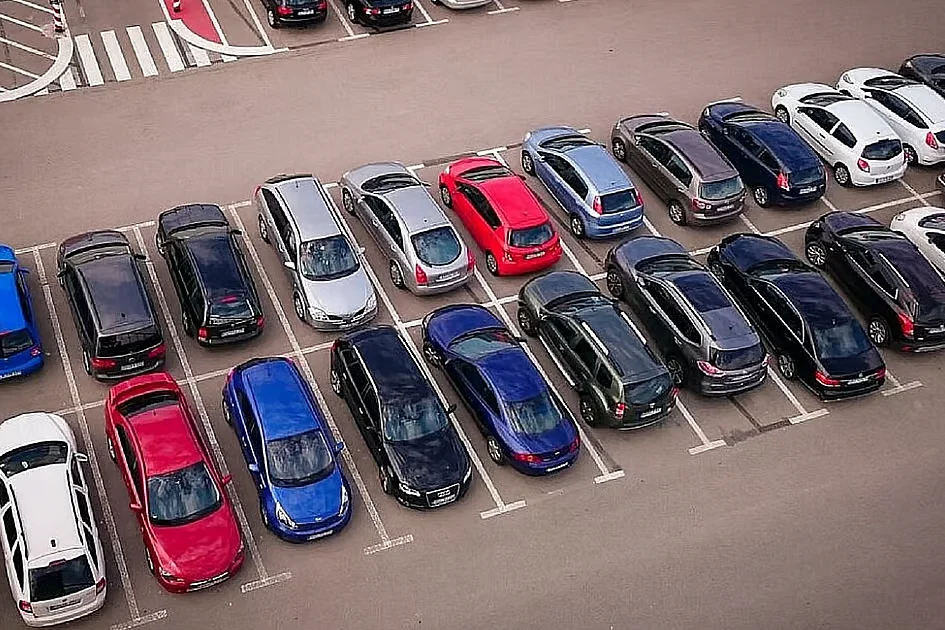
As Dubai’s variable parking tariff system increases public parking costs, tenants across the emirate are increasingly seeking to secure parking spaces as part of their rents rather than paying escalating hourly and daily fees.
Legal experts say it is possible for tenants to include parking at no additional cost, but only through precise contractual arrangements, warning that assumptions about automatic parking rights are among the most common causes of rental disputes.
In April 2025, Dubai introduced a variable parking tariff system to manage demand and ease congestion by charging different rates based on location, time of day, and demand levels. Premium zones such as Downtown Dubai, Business Bay, Deira, and Jumeirah now attract higher peak-hour charges, while off-peak and overnight parking remains free.
Stay up to date with the latest news. Follow KT on WhatsApp Channels.
The impact has been significant. Average public parking costs rose by 51 per cent year on year to about Dh3.03 per hour in the third quarter of 2025, driven by higher daily tariffs and new pricing structures.
Against this backdrop, parking has become a key point of negotiation in residential leases.
According to Igor Abalov, Managing Partner at Lawford Legal Advisors FZ-LLC, the question of whether a tenant can demand a parking space when it is not expressly stated in the lease is one of the most frequently contested issues before Dubai’s Rental Disputes Centre.
“The lease agreement plays a decisive role in determining tenant rights,” Abalov said. “The tenant’s ability to assert claims depends on what is expressly agreed and recorded in writing.” Igor Abalov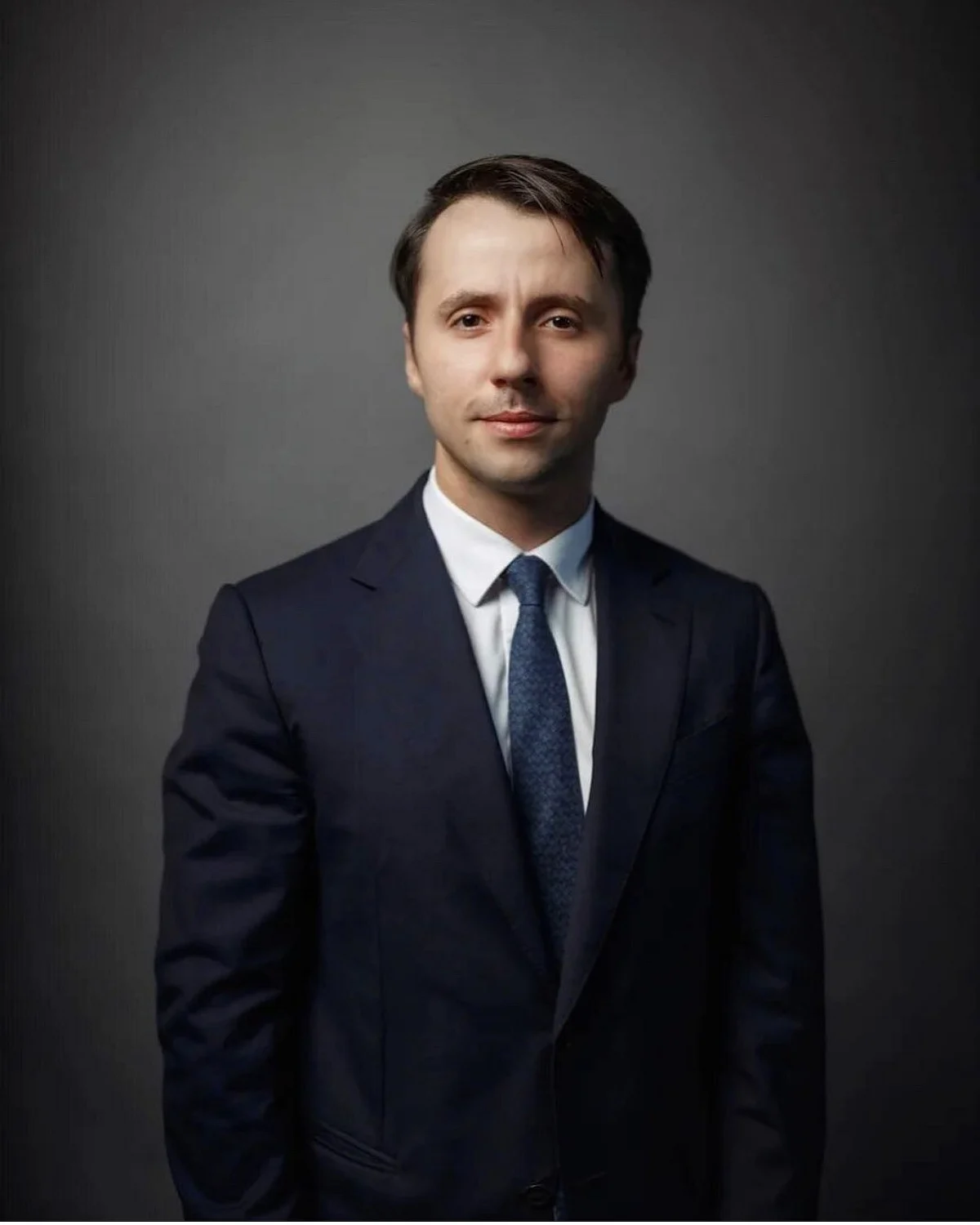
He explained that while many tenants assume a parking space automatically transfers with the apartment, particularly when it appears on the landlord’s title deed, this is not always the case. “The absence of an explicit reference to parking does not necessarily eliminate all rights, but it significantly limits them,” he said.
Abalov noted an important distinction between a specific, allocated parking space recorded in a title deed and general parking facilities provided as part of a building’s amenities. “The right to parking as an amenity is not equivalent to the right to a specific parking space unless this is expressly stated in the lease,” he said.
However, he added that the legal position may shift where no alternative parking exists within a building. “If the building does not have any other parking areas, a systematic interpretation of the law may require the landlord to allow use of the parking space attached to the apartment.”
Hassan El Agawani, Associate at BSA Law, emphasised that parking remains a purely contractual matter regardless of broader market pressures.
“The tenant’s right to use parking spaces is determined solely by what is explicitly stated in the lease agreement,” El Agawani said. “Providing a parking space is not mandatory unless it is stipulated in the contract.”
He added that tenants cannot compel landlords to provide parking in violation of the agreed terms, even as public parking becomes more expensive. “Rising tariffs do not override the principle of freedom of contract,” he said.
Regarding amendments to existing leases, El Agawani confirmed that parking can be added only through mutual agreement. “An addendum signed by both parties becomes a binding part of the original contract and secures the tenant’s rights under clearly defined terms,” he said.
Legal consultant Dr Hassan El Hais highlighted the role of jointly owned property laws and standardised Ejari contracts in protecting parking rights when used correctly.
Under Dubai Law No. (6) of 2019 on Jointly Owned Property, unit owners may not lease a residential unit separately from any jointly owned parts attached to it, including parking spaces, he said. “If a parking space is attached to the unit in the title deed, the tenant has the right to claim it, provided the lease contract explicitly states that the unit includes a designated parking space.”
Dr El Hais pointed to the unified Ejari tenancy contract template issued by the Dubai Land Department, which includes an “Additional Terms” section allowing parties to insert specific clauses at no cost. “The safest legal mechanism is to expressly state the allocation of a parking space and its number for the duration of the lease,” he said.
He added that existing leases can also be amended, citing Article 14 of Dubai Law No. (33) of 2008, which allows either party to request amendments with 90 days’ notice before contract expiry, unless agreed otherwise.
Regarding enforcement, all experts agreed that property managers cannot impose additional parking charges if it is already granted as a tenant right under the lease. If a landlord refuses to provide a contractually agreed parking space, tenants may issue a formal notice and escalate the matter to the Rental Disputes Centre, potentially seeking rent adjustments or compensation.
With enforcement tightening and parking costs climbing, lawyers say tenants who fail to secure parking rights upfront may face significantly higher living expenses over the course of a tenancy, making precise lease drafting more important than ever in Dubai’s evolving urban landscape.
What's Your Reaction?