













Dubai’s new transport systems could replace short car journeys in busy areas
Dubai’s new transport systems could help reduce traffic by replacing many short car journeys, especially in busy areas such as Downtown, DIFC, Al Quoz and near Mall of the Emirates, a UAE-based traffic expert said.Road safety and traffic expert Dr Mustafa Aldah said that traffic is not only caused by population growth but also by the way people travel every day. Many residents still rely on cars even for short trips, adding pressure to roads during peak hours.“Vehicle traffic is a direct result of people not walking anymore. In the past we had horses and camels. Today we have cars, vans, buses, motorbikes and e-scooters. Our city has grown into different population centres, and most people have to travel long distances daily for work,” said Dr Aldah.Dr Mustafa AldahStay up to date with the latest news. Follow KT on WhatsApp Channels.This comes as Dubai announced new transport projects aimed at easing congestion in busy areas during the World Governments Summit. These include high-speed underground travel in central districts and driverless systems to handle short, last-mile trips between metro stations and nearby destinations. The goal is to reduce dependability on cars during peak hours.Dr Aldah said a large part of traffic in Dubai is linked to work-related movement rather than personal trips. According to him, businesses and daily commuting play a much bigger role in congestion than leisure travel.“I would estimate around 90 per cent of traffic on the roads is caused by businesses,” he said. “Only a small portion comes from private trips.”Dr Aldah said short trips of two to five kilometres are a major problem, especially when thousands of people make them at the same time. These are often journeys to metro stations, offices, schools or nearby malls.He explained that cities work best when they use a mix of transport systems. “The solution is mass transit to a central location, followed by feeder systems that take people to nearby destinations,” he said, comparing it to how goods are delivered using last-mile delivery.New transport systems like high-speed underground travel and driverless feeder services are designed to do exactly that. By giving people a fast and reliable alternative to driving short distances, fewer cars are needed on the road.Dr Aldah also mentioned that even small changes can make a difference. “Every car or van removed from the road helps,” he said. “Roads are built to handle a certain number of vehicles per hour, and once that limit is reached, traffic jams begin.”He also said automated transport systems can improve efficiency because they remove human driving behaviour from the equation. Poor lane discipline and frequent lane changes often reduce how well roads perform.Dr Aldah mentioned that as Dubai continues to grow, planning transport systems early is key. “Designing transport at the start of major projects can help avoid traffic problems later,” he said.With new systems focused on short trips and last-mile travel, experts believe Dubai could see smoother traffic flow in some of its most congested areas in the coming years.New highway, trains, metro: How UAE daily commutes will change for residents67 traffic improvements in 2025 in key areas of Dubai reduce travel time by 45%
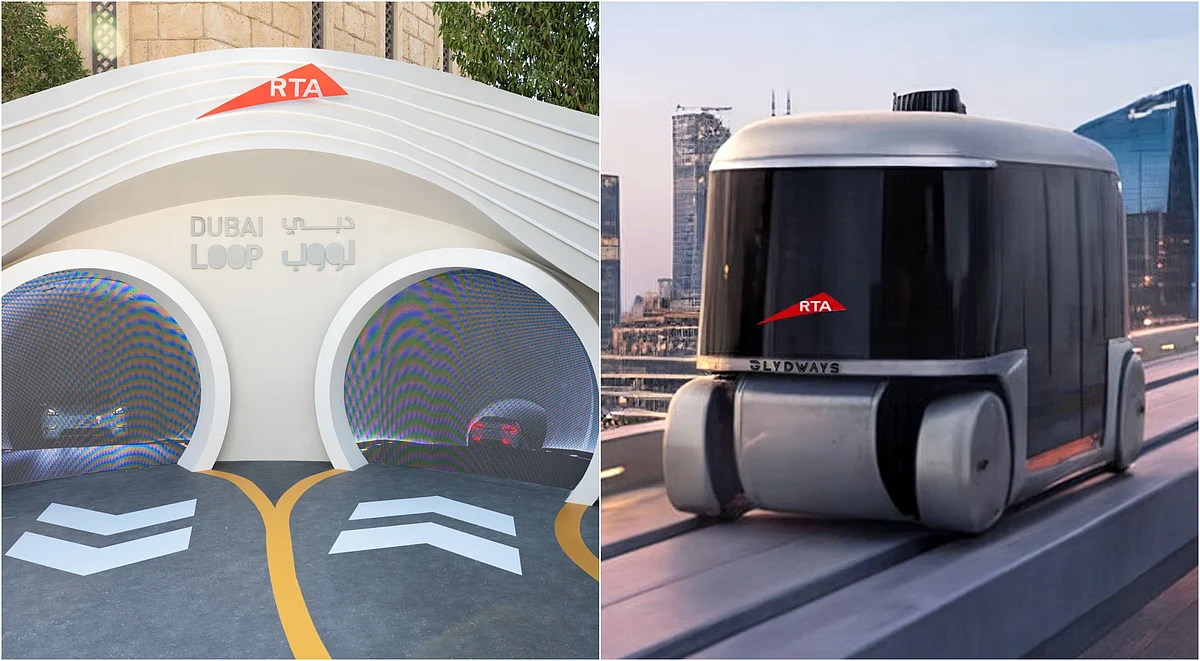
Dubai’s new transport systems could help reduce traffic by replacing many short car journeys, especially in busy areas such as Downtown, DIFC, Al Quoz and near Mall of the Emirates, a UAE-based traffic expert said.
Road safety and traffic expert Dr Mustafa Aldah said that traffic is not only caused by population growth but also by the way people travel every day. Many residents still rely on cars even for short trips, adding pressure to roads during peak hours.
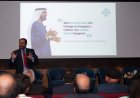
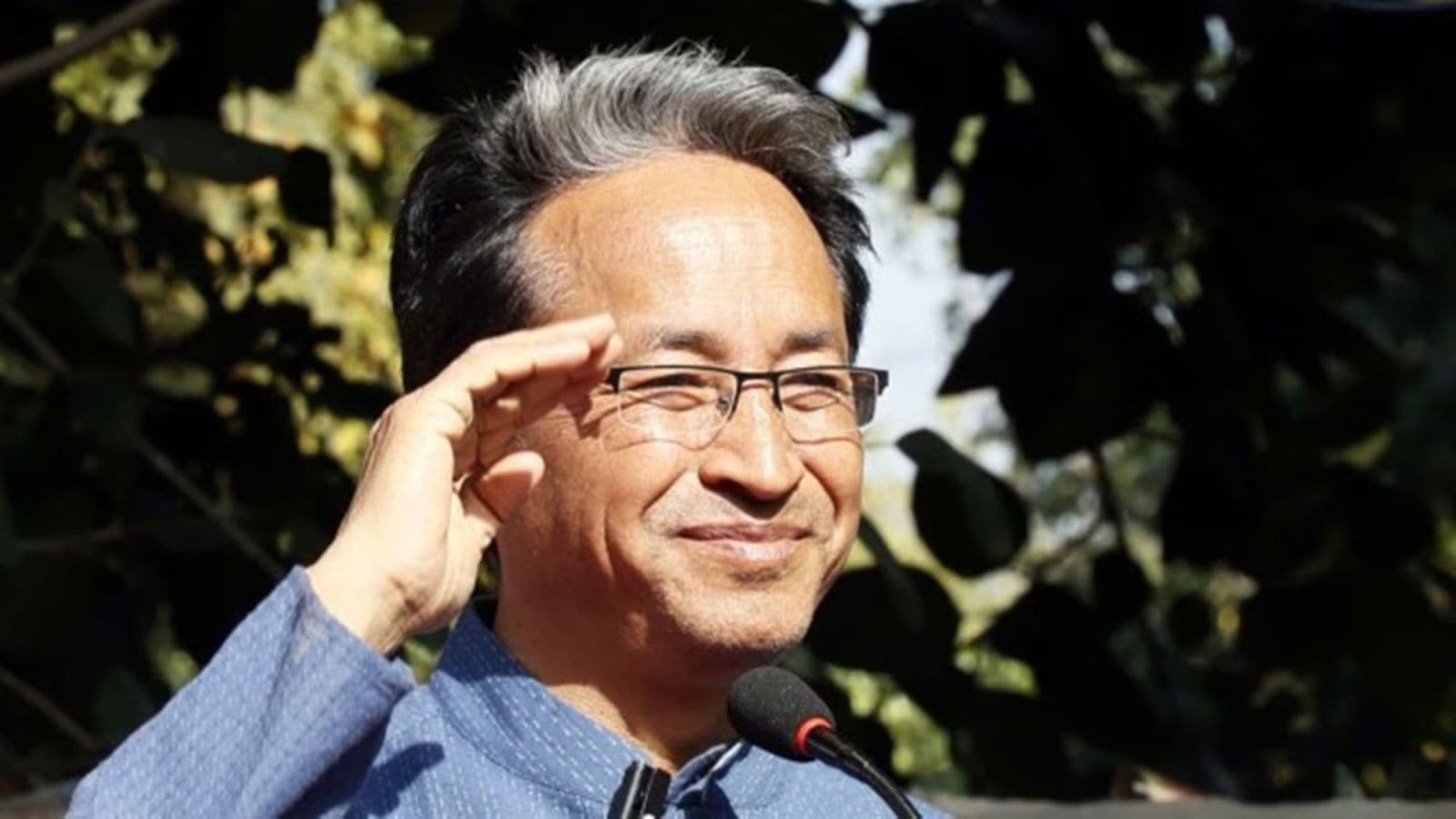
“Vehicle traffic is a direct result of people not walking anymore. In the past we had horses and camels. Today we have cars, vans, buses, motorbikes and e-scooters. Our city has grown into different population centres, and most people have to travel long distances daily for work,” said Dr Aldah. Dr Mustafa Aldah
Stay up to date with the latest news. Follow KT on WhatsApp Channels.
This comes as Dubai announced new transport projects aimed at easing congestion in busy areas during the World Governments Summit. These include high-speed underground travel in central districts and driverless systems to handle short, last-mile trips between metro stations and nearby destinations. The goal is to reduce dependability on cars during peak hours.
Dr Aldah said a large part of traffic in Dubai is linked to work-related movement rather than personal trips. According to him, businesses and daily commuting play a much bigger role in congestion than leisure travel.
“I would estimate around 90 per cent of traffic on the roads is caused by businesses,” he said. “Only a small portion comes from private trips.”
Dr Aldah said short trips of two to five kilometres are a major problem, especially when thousands of people make them at the same time. These are often journeys to metro stations, offices, schools or nearby malls.
He explained that cities work best when they use a mix of transport systems. “The solution is mass transit to a central location, followed by feeder systems that take people to nearby destinations,” he said, comparing it to how goods are delivered using last-mile delivery.
New transport systems like high-speed underground travel and driverless feeder services are designed to do exactly that. By giving people a fast and reliable alternative to driving short distances, fewer cars are needed on the road.
Dr Aldah also mentioned that even small changes can make a difference. “Every car or van removed from the road helps,” he said. “Roads are built to handle a certain number of vehicles per hour, and once that limit is reached, traffic jams begin.”
He also said automated transport systems can improve efficiency because they remove human driving behaviour from the equation. Poor lane discipline and frequent lane changes often reduce how well roads perform.
Dr Aldah mentioned that as Dubai continues to grow, planning transport systems early is key. “Designing transport at the start of major projects can help avoid traffic problems later,” he said.
With new systems focused on short trips and last-mile travel, experts believe Dubai could see smoother traffic flow in some of its most congested areas in the coming years.
What's Your Reaction?