

































Dubai's self-driving robotaxis: Why milliseconds can make or break safety on road
Dubai's push to operate robotaxis in the city is no longer theoretical — autonomous taxis are already plying on some roads. Driverless services are expected to be fully operational as early as 2026.But while much of the public attention has focused on the vehicles themselves, experts say the real safety challenge lies behind the scenes — how fast data is processed when things suddenly change on the road.Autonomous vehicles rely on a constant stream of sensor data to make split-second decisions, from detecting pedestrians to responding to sudden brakes or lane changes. In dense, fast-moving urban settings like Dubai, minuscule delays can affect how safely a vehicle reacts. “Latency directly determines how quickly an autonomous vehicle can interpret its surroundings and respond to hazards,” said Kamel Al Tawil, Managing Director for the Middle East and North Africa at digital infrastructure company Equinix. “In real-world city traffic, milliseconds matter.”Stay up to date with the latest news. Follow KT on WhatsApp Channels.Strategy to streets for self-driving taxisDubai has set ambitious targets under its Autonomous Transportation Strategy, which aims to convert 25 per cent of all trips in the city to autonomous modes by 2030. The plan includes deploying around 4,000 driverless taxis across Dubai and reducing traffic accidents and congestion, while saving hundreds of millions of hours in travel time annually.Progress is already visible. Dubai’s Roads and Transport Authority (RTA) has designated 65 locations across two operational zones for the initial rollout of robotaxi services. In 2025, Baidu’s Apollo Go was granted the emirate's first permit to conduct fully autonomous vehicle trials without a safety driver, marking a significant step towards commercial deployment.At the same time, RTA has launched a pilot robotaxi service in partnership with WeRide, allowing residents in Umm Suqeim and Jumeirah to book autonomous rides through the Uber app. For now, a specialist driver remains on board, with a transition to fully driverless operations expected in the next phase.Why local data mattersAs autonomous vehicles move from controlled pilots to live urban traffic, regulation is playing an increasingly central role. In Dubai, autonomous vehicle operators are required to store and process operational data locally, including vehicle movements, maintenance records, faults, and accident data.Licensing requirements under Law No. 9 of 2023 also mandate integrated electronic systems and real-time safety controls, enabling operators to intervene immediately in the event of a malfunction. According to industry experts, meeting these requirements depends heavily on having low-latency, locally hosted computing infrastructure.“When data is processed far from where it’s generated, even minor network delays can degrade real-time perception,” Al-Tawil said. “That’s why autonomous systems rely on edge and on-vehicle processing, where critical data is analysed as close to the vehicle as possible.”Processing data locally also helps ensure compliance with UAE safety and security standards, while enabling secure software updates and real-time vehicle-to-everything (V2X) communication.Infrastructure as a safety issueThe risks of relying on distant data centres are not just technical. In fast-changing traffic conditions, delayed decision-making could prevent an autonomous vehicle from reacting quickly enough to avoid hazards. “Without local digital infrastructure, Dubai would face dangerous latency in real-time decision-making,” Al Tawil said. “In dense urban traffic, that delay could translate into real safety risks.”To support autonomous mobility, Equinix says its UAE data centres are designed to handle high-density computing workloads, allowing autonomous platforms to process vast volumes of sensor data in real time and support safety-critical applications.What it signals for DubaiAs Dubai accelerates its robotaxi rollout, the focus is shifting beyond vehicles and software to the less visible systems that support them. Local data processing, once seen as an IT consideration, is increasingly being treated as a core safety and regulatory requirement. For residents, that means the success of autonomous transport will depend not only on how advanced the vehicles are, but on how quickly and reliably they can “think” when faced with the unpredictability of city streets. And in Dubai’s case, experts say, those decisions need to happen close to home.Dubai: First autonomous vehicle centre opens; driverless cars to hit public roadsDubai: Now, get 50 free driverless taxi rides for up to Dh500; how to bookAbu Dhabi launches fully driverless robotaxi service, starting with Yas Island
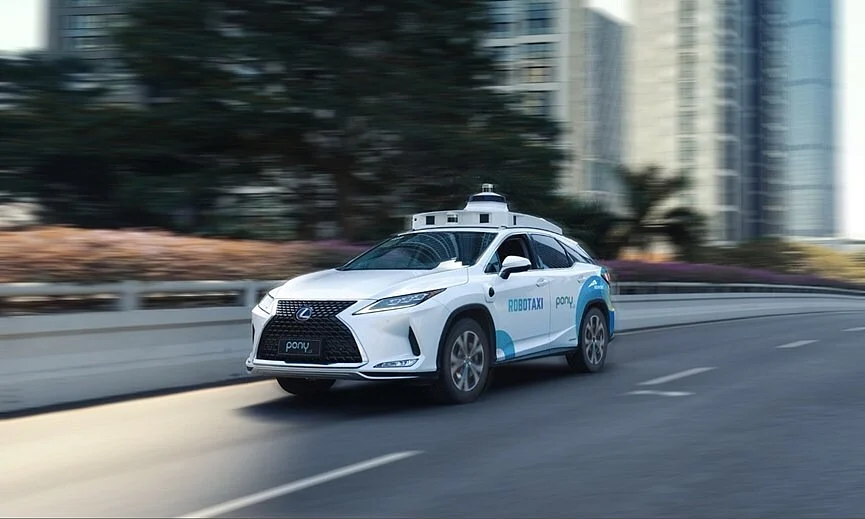
Dubai's push to operate robotaxis in the city is no longer theoretical — autonomous taxis are already plying on some roads. Driverless services are expected to be fully operational as early as 2026.
But while much of the public attention has focused on the vehicles themselves, experts say the real safety challenge lies behind the scenes — how fast data is processed when things suddenly change on the road.
Autonomous vehicles rely on a constant stream of sensor data to make split-second decisions, from detecting pedestrians to responding to sudden brakes or lane changes. In dense, fast-moving urban settings like Dubai, minuscule delays can affect how safely a vehicle reacts. “Latency directly determines how quickly an autonomous vehicle can interpret its surroundings and respond to hazards,” said Kamel Al Tawil, Managing Director for the Middle East and North Africa at digital infrastructure company Equinix. “In real-world city traffic, milliseconds matter.”
Stay up to date with the latest news. Follow KT on WhatsApp Channels.
Strategy to streets for self-driving taxis
Dubai has set ambitious targets under its Autonomous Transportation Strategy, which aims to convert 25 per cent of all trips in the city to autonomous modes by 2030. The plan includes deploying around 4,000 driverless taxis across Dubai and reducing traffic accidents and congestion, while saving hundreds of millions of hours in travel time annually.
Progress is already visible. Dubai’s Roads and Transport Authority (RTA) has designated 65 locations across two operational zones for the initial rollout of robotaxi services. In 2025, Baidu’s Apollo Go was granted the emirate's first permit to conduct fully autonomous vehicle trials without a safety driver, marking a significant step towards commercial deployment.
At the same time, RTA has launched a pilot robotaxi service in partnership with WeRide, allowing residents in Umm Suqeim and Jumeirah to book autonomous rides through the Uber app. For now, a specialist driver remains on board, with a transition to fully driverless operations expected in the next phase.
Why local data matters
As autonomous vehicles move from controlled pilots to live urban traffic, regulation is playing an increasingly central role. In Dubai, autonomous vehicle operators are required to store and process operational data locally, including vehicle movements, maintenance records, faults, and accident data.
Licensing requirements under Law No. 9 of 2023 also mandate integrated electronic systems and real-time safety controls, enabling operators to intervene immediately in the event of a malfunction. According to industry experts, meeting these requirements depends heavily on having low-latency, locally hosted computing infrastructure.
“When data is processed far from where it’s generated, even minor network delays can degrade real-time perception,” Al-Tawil said. “That’s why autonomous systems rely on edge and on-vehicle processing, where critical data is analysed as close to the vehicle as possible.”
Processing data locally also helps ensure compliance with UAE safety and security standards, while enabling secure software updates and real-time vehicle-to-everything (V2X) communication.
Infrastructure as a safety issue
The risks of relying on distant data centres are not just technical. In fast-changing traffic conditions, delayed decision-making could prevent an autonomous vehicle from reacting quickly enough to avoid hazards.
“Without local digital infrastructure, Dubai would face dangerous latency in real-time decision-making,” Al Tawil said. “In dense urban traffic, that delay could translate into real safety risks.”
To support autonomous mobility, Equinix says its UAE data centres are designed to handle high-density computing workloads, allowing autonomous platforms to process vast volumes of sensor data in real time and support safety-critical applications.
What it signals for Dubai
As Dubai accelerates its robotaxi rollout, the focus is shifting beyond vehicles and software to the less visible systems that support them. Local data processing, once seen as an IT consideration, is increasingly being treated as a core safety and regulatory requirement.
For residents, that means the success of autonomous transport will depend not only on how advanced the vehicles are, but on how quickly and reliably they can “think” when faced with the unpredictability of city streets. And in Dubai’s case, experts say, those decisions need to happen close to home.
What's Your Reaction?