

































Emirates flight from Dubai declares mid-air emergency, diverts to Edinburgh
Emirates flight from Dubai declares mid-air emergency, diverts to Edinburgh
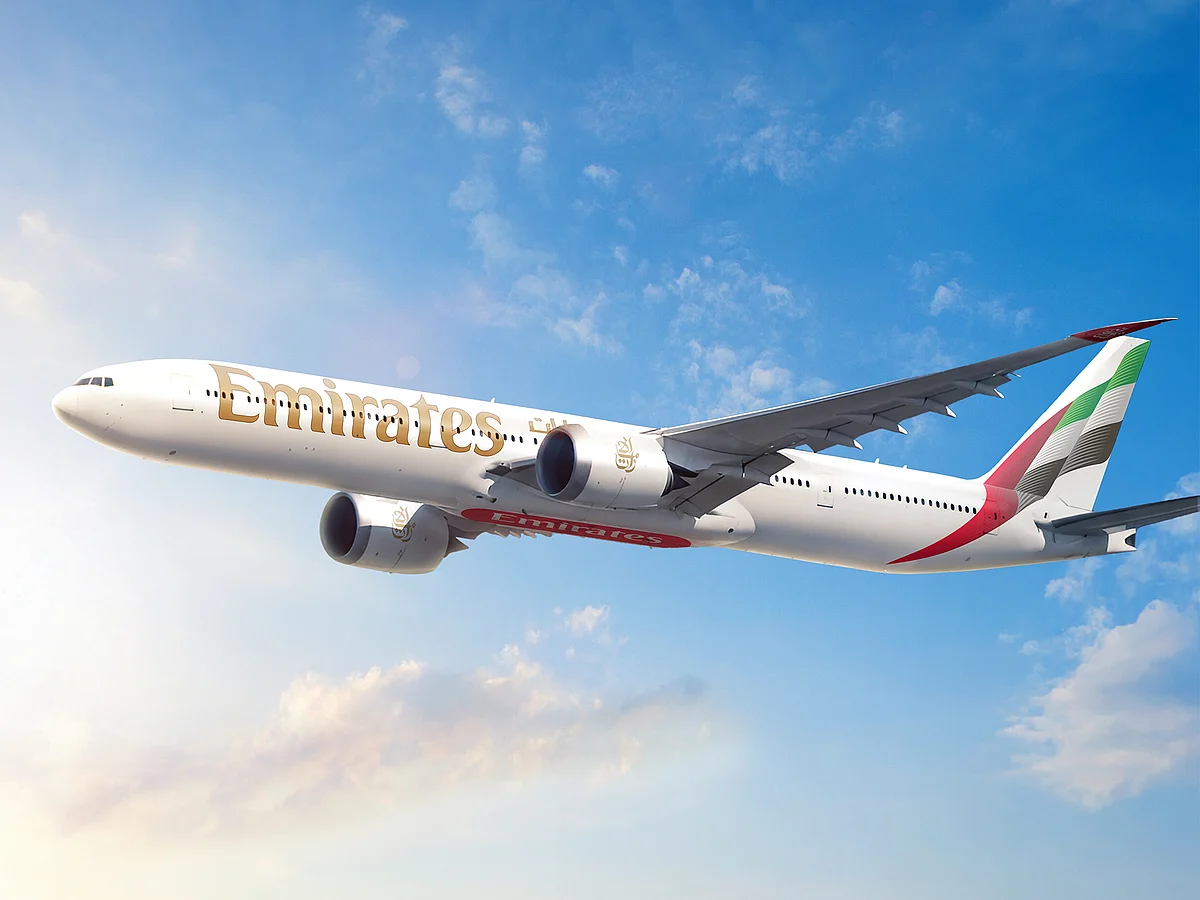
An Emirates flight from Dubai to Newcastle was forced to declare a mid-air emergency on January 27, and was re-routed to land at Edinburgh Airport.
As Flight EK35 neared Northern England, it encountered severe "weather conditions" brought by Storm Chandra, including heavy rain, mist, and crosswinds of up to 60 mph. These extreme weather conditions made the final approach challenging, with pilots working to stabilise the aircraft.
“Emirates can confirm that adverse weather on January 27 led to the diversion of Flight EK035 from Dubai to Newcastle, which was rerouted to Edinburgh,” the airline told Khaleej Times. The flight departed Dubai at 13.53 local time and, instead of arriving in Newcastle at its scheduled 11:20 am slot, EK035 landed safely at Edinburgh Airport.
Stay up to date with the latest news. Follow KT on WhatsApp Channels.
Why did EK35 divert to Edinburgh?
The Boeing 777 aircraft circled above Newcastle and Sunderland before the pilot activated an emergency protocol known as squawking 7700, according to flight tracking data from Flightradar24.
Emirates apologised for the inconvenience caused as said, "The safety of our passengers and crew is of utmost importance and will not be compromised."
Data from the flight monitoring platform indicates that EK035 attempted to land at Newcastle Airport but executed two go-arounds — a manoeuvre in which pilots abort a landing approach, circle back, and make another attempt. 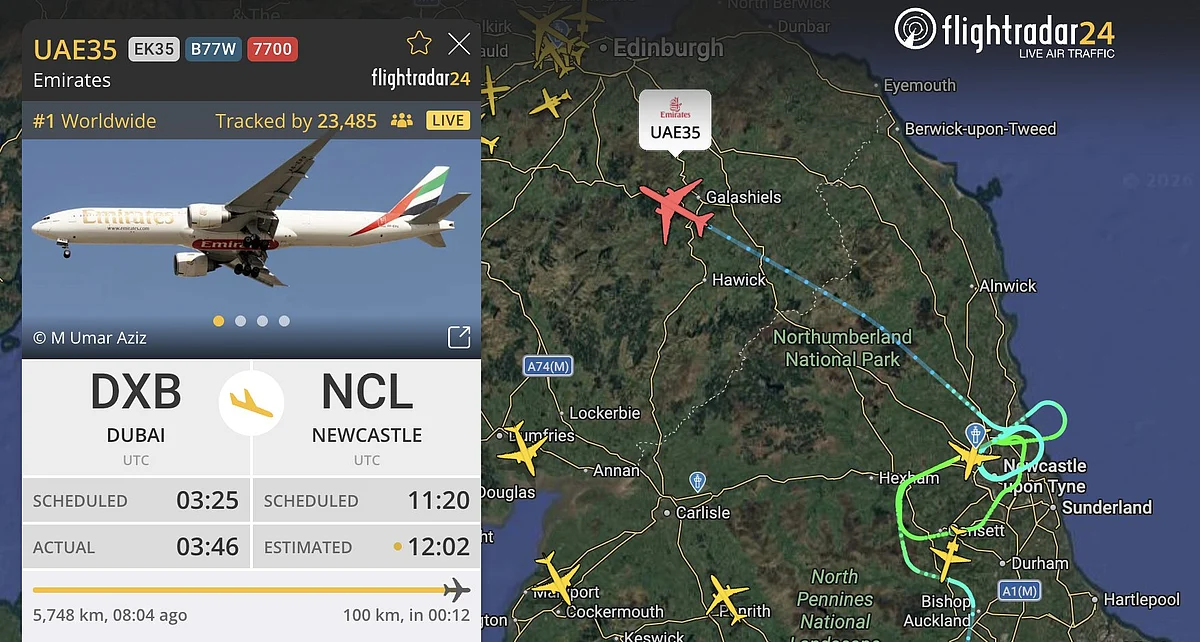
What does 'squawk 7700' mean?
'Squawk 7700' is an aviation term used when a pilot declares a general emergency to tell air traffic control that their plane is in serious trouble.
Aircraft are equipped with a transponder, a device that communicates with air traffic control (ATC) radar. The transponder sends a four-digit code (7700) — called a “squawk” — that identifies the plane.
When a pilot sets the transponder to 7700, it immediately alerts all nearby ATC controllers that the aircraft is in serious trouble and needs priority handling. It also alerts emergency teams on the ground to get ready, so everyone can respond quickly if needed.
What's Your Reaction?