

































Energy Markets Entering A New Phase Of Infrastructure-Related Uncertainty
By K Raveendran Energy markets are entering a phase where the traditional assumptions underpinning pricing models are being fundamentally reshaped by the evolving nature of conflict, with the Iran war serving as a critical inflection point. For decades, oil prices have largely responded to state-driven variables such as production quotas, formal sanctions regimes, and large-scale […]The article Energy Markets Entering A New Phase Of Infrastructure-Related Uncertainty appeared first on Latest India news, analysis and reports on Newspack by India Press Agency).The article Energy Markets Entering A New Phase Of Infrastructure-Related Uncertainty appeared first on Arabian Post.

By K Raveendran
Energy markets are entering a phase where the traditional assumptions underpinning pricing models are being fundamentally reshaped by the evolving nature of conflict, with the Iran war serving as a critical inflection point. For decades, oil prices have largely responded to state-driven variables such as production quotas, formal sanctions regimes, and large-scale military confrontations between nation states. That framework, while still relevant, is proving increasingly insufficient in capturing the emerging dynamics of risk that now define the global energy complex.
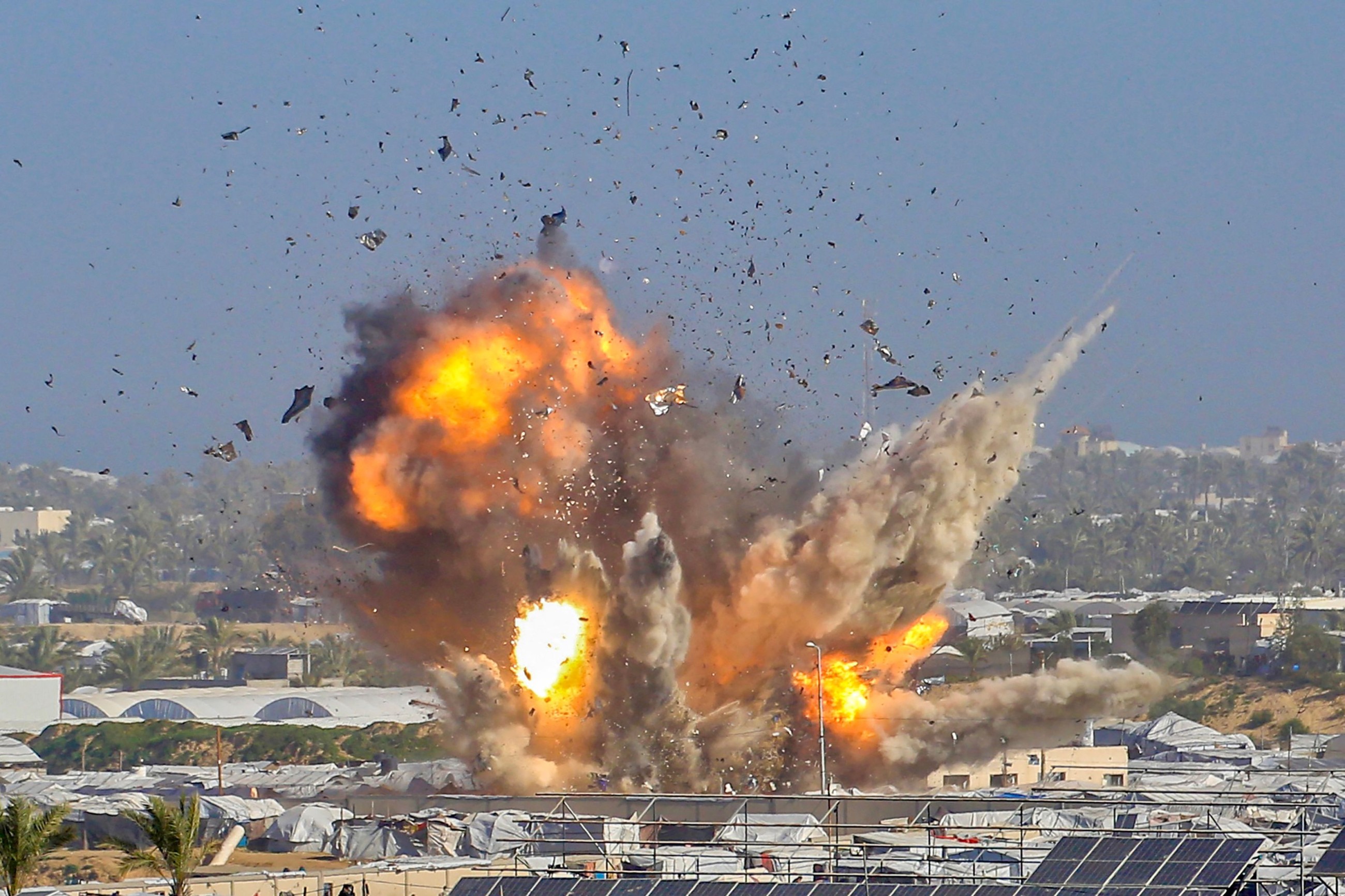
What is becoming evident is that the architecture of energy pricing is absorbing a new layer of structural uncertainty. The rise of non-state actors and regionally embedded proxy networks has introduced a persistent, low-intensity but highly unpredictable threat environment. These actors, often operating outside the constraints of formal state accountability, possess the capability to disrupt critical energy infrastructure with increasing precision. Their actions, whether targeting pipelines, shipping lanes, refineries, or offshore installations, do not require the scale of conventional warfare to trigger significant market reactions. Instead, even limited disruptions can ripple across supply chains, amplifying volatility in a system already sensitive to marginal imbalances.
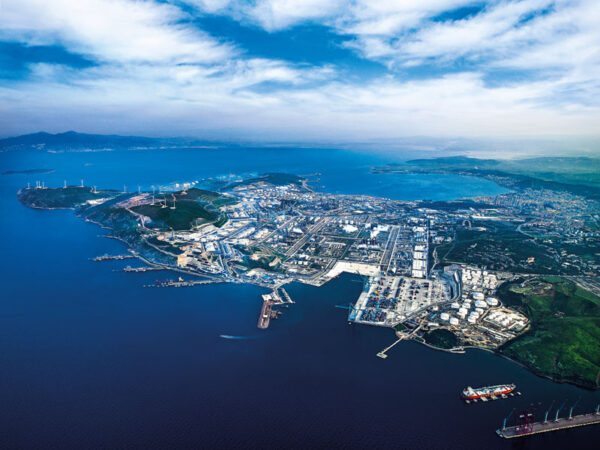
This shift appears to be embedding itself into the baseline assumptions of market participants. Traders, insurers, and policymakers are beginning to price in a higher probability of disruption as a constant rather than an exception. Insurance premiums for maritime transit in key chokepoints have shown signs of upward recalibration, reflecting the heightened perception of risk. The Strait of Hormuz, through which a substantial portion of the world’s oil flows, has long been considered a strategic vulnerability. However, the current environment suggests that risk is no longer confined to identifiable flashpoints. Instead, it is diffused across a broader geography, extending to secondary routes, storage facilities, and even digital infrastructure linked to energy operations.
The implications of this transformation are far-reaching. A structurally higher risk premium on oil effectively acts as a floor beneath prices, even in periods of adequate supply. This represents a departure from previous cycles where geopolitical spikes were often followed by swift corrections once immediate tensions eased. The persistence of non-state threats undermines the assumption that markets will revert quickly to equilibrium. Instead, the equilibrium itself is being recalibrated at a higher level of perceived risk.
Another dimension of this evolving landscape is the changing calculus of deterrence. Traditional geopolitical tensions operated within a framework where state actors weighed the economic and political costs of direct confrontation. Non-state actors, by contrast, may not be as constrained by such considerations. Their objectives can range from ideological signalling to strategic disruption, and their cost structures are often significantly lower. This asymmetry complicates efforts to stabilise markets through diplomatic or military means. Even if state-level tensions de-escalate, the underlying threat posed by decentralised actors can persist, maintaining pressure on energy infrastructure and, by extension, on prices.
Technology is also playing a dual role in this transformation. On one hand, advances in surveillance, cyber capabilities, and precision targeting have enhanced the ability of both state and non-state actors to identify and exploit vulnerabilities in energy systems. On the other, the increasing digitisation of energy infrastructure introduces new vectors of risk that are not geographically bounded. Cyberattacks on pipelines or grid systems can have effects comparable to physical disruptions, yet they are harder to attribute and deter. This further contributes to the sense of pervasive uncertainty that markets must now contend with.
The financialisation of energy markets amplifies these effects. Algorithmic trading systems and real-time data analytics respond rapidly to signals of disruption, often magnifying price movements. In an environment where threats can emerge suddenly and from unexpected quarters, the speed and scale of market reactions can outpace the actual physical impact of an event. This creates a feedback loop in which perceived risk drives price volatility, which in turn reinforces the perception of instability.
For major consuming economies, this shift presents a complex policy challenge. Strategic petroleum reserves and diversified supply chains have traditionally been used as buffers against supply shocks. While these tools remain important, they are less effective against a backdrop of continuous, low-level disruption. The emphasis may need to shift towards enhancing resilience at the infrastructure level, including the protection of critical assets and the development of more flexible logistics networks. At the same time, the push towards energy transition gains an additional layer of urgency, as reducing dependence on vulnerable hydrocarbon supply chains becomes not just an environmental objective but a strategic imperative.
The Iran war, in this context, is less a singular event and more a catalyst that has exposed and accelerated underlying trends. It has highlighted the extent to which the energy system is interconnected and vulnerable to disruptions that do not fit neatly into traditional categories of conflict. The involvement of proxy networks and the targeting of infrastructure underscore a shift towards a more fragmented and unpredictable risk environment.
What emerges is a picture of an energy market that must adapt to a new normal, where uncertainty is not an anomaly but a defining characteristic. Pricing mechanisms are evolving to incorporate this reality, embedding a premium that reflects not just the likelihood of disruption but its increasingly diffuse and persistent nature. This has implications for everything from consumer fuel costs to the broader macroeconomic landscape, as energy prices feed into inflation, trade balances, and fiscal dynamics.
The more immediate reality is that the baseline from which energy markets operate has shifted. The integration of non-state threats into pricing models represents a structural change rather than a temporary distortion. As a result, volatility is likely to remain elevated, and the concept of a stable equilibrium price may become increasingly elusive. (IPA Service)
The article Energy Markets Entering A New Phase Of Infrastructure-Related Uncertainty appeared first on Latest India news, analysis and reports on Newspack by India Press Agency).
The article Energy Markets Entering A New Phase Of Infrastructure-Related Uncertainty appeared first on Arabian Post.
What's Your Reaction?