




































F-35 upgrade delays raise questions over combat readiness
Stalled software development for the F-35 Lightning II has drawn scrutiny from Pentagon auditors, even as the stealth fighters continue to fly operational missions linked to tensions with Iran, underscoring a widening gap between battlefield deployment and technological modernisation. An annual assessment by the Pentagon’s weapons testing office found that efforts to introduce new software capabilities for the aircraft failed to produce additional combat functionality during the […] The article F-35 upgrade delays raise questions over combat readiness appeared first on Arabian Post.
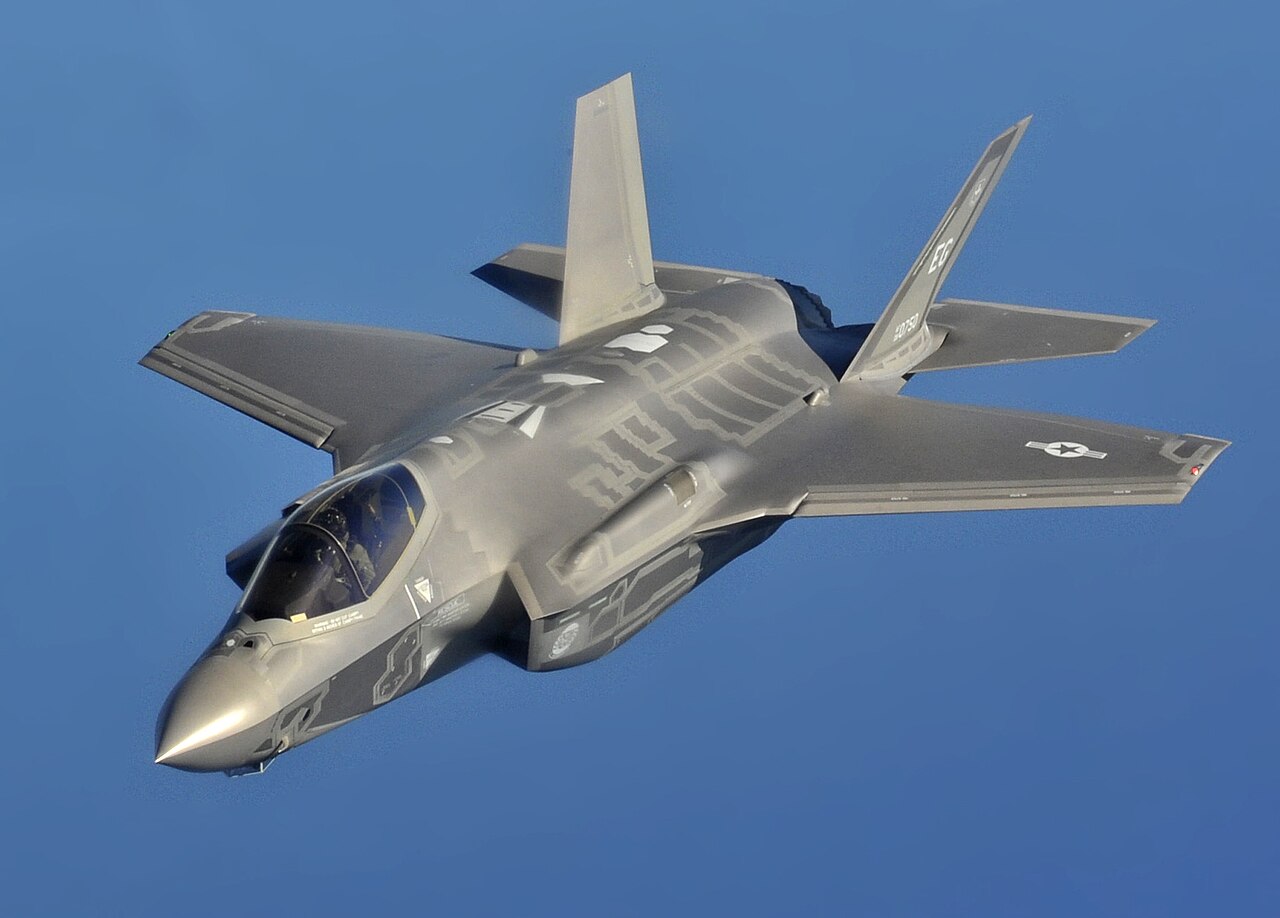
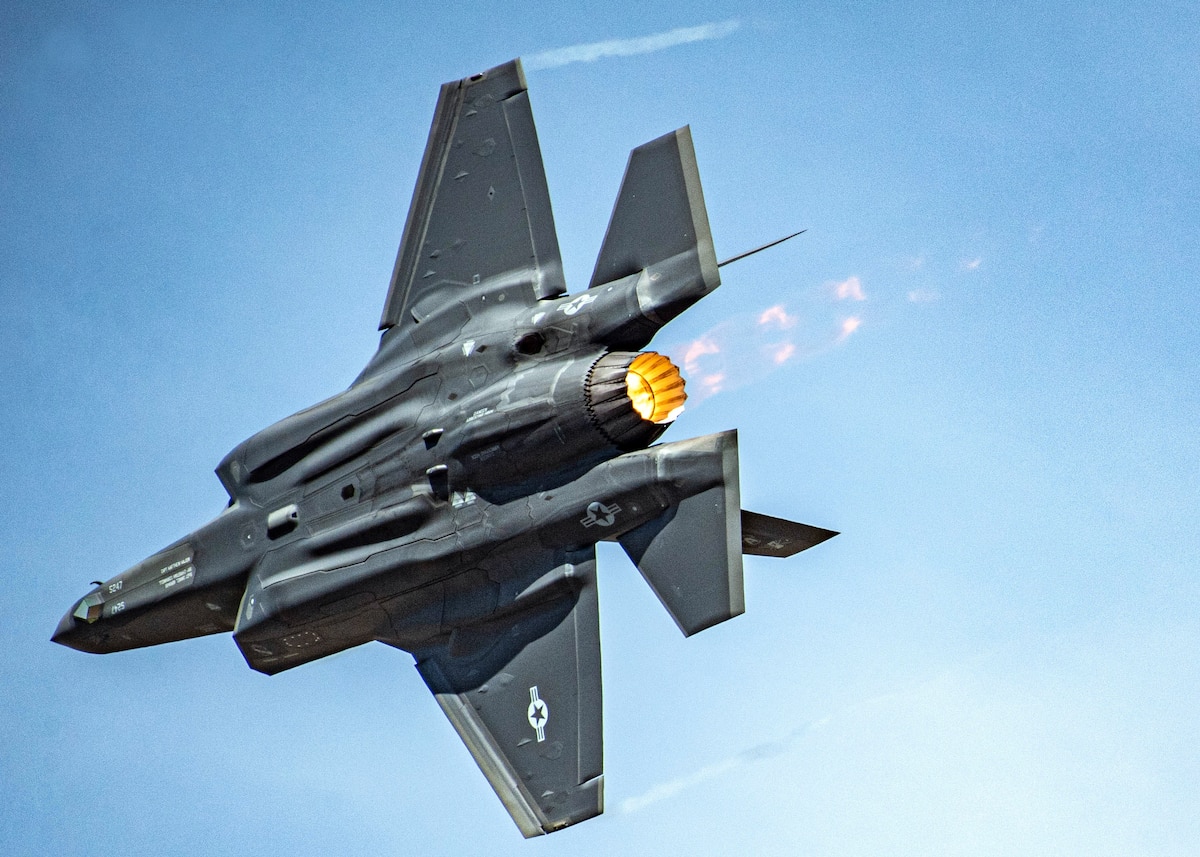
Stalled software development for the F-35 Lightning II has drawn scrutiny from Pentagon auditors, even as the stealth fighters continue to fly operational missions linked to tensions with Iran, underscoring a widening gap between battlefield deployment and technological modernisation.
An annual assessment by the Pentagon’s weapons testing office found that efforts to introduce new software capabilities for the aircraft failed to produce additional combat functionality during the past year, with upgrade programmes described as having “stagnated.” The findings come as the aircraft remains heavily engaged in operational deployments in the Middle East and other theatres.
The report highlights a central challenge for one of the world’s most ambitious defence programmes: the difficulty of advancing digital capabilities within a complex weapons system that relies heavily on integrated software to manage sensors, weapons and battlefield data.
Designed as a multi-role stealth fighter, the F-35 depends on continuous software upgrades to unlock new operational functions. These improvements typically expand the aircraft’s ability to integrate weapons, share intelligence across allied networks and enhance targeting systems. Without regular updates, analysts say, the jet risks falling short of its projected edge in modern air warfare.
The Pentagon’s testing office indicated that the upgrade process slowed during the past year, leaving the aircraft operating largely with existing capabilities rather than receiving new operational tools. While the aircraft itself remains fully operational, the absence of additional combat functions has drawn attention from military planners and lawmakers monitoring the programme’s progress.
Lockheed Martin, the prime contractor for the F-35 programme, has spent years working with the Department of Defense to deliver a series of software and hardware upgrades intended to modernise the fleet. One of the most significant improvements involves a package known as Technology Refresh 3, which introduces faster processors, expanded memory and upgraded cockpit displays designed to support more advanced mission software.
Implementation of that upgrade has experienced repeated delays, affecting both deliveries of new aircraft and the rollout of enhanced capabilities. Funding penalties were imposed on some aircraft deliveries while the programme worked to complete the technology package.
The F-35 programme remains the most expensive weapons development effort in Pentagon history, with projected lifecycle costs estimated in the trillions of dollars. More than 900 aircraft have been delivered to the United States and allied nations, forming the backbone of air forces across North America, Europe and parts of Asia.
Despite software delays, the aircraft continues to play a central role in military operations and deterrence missions. F-35 jets have been deployed across the Middle East, Europe and the Indo-Pacific, often tasked with intelligence gathering, air superiority patrols and strike operations against hostile targets.
Operational use of the aircraft in missions linked to tensions with Iran has illustrated the Pentagon’s reliance on the stealth jet for high-risk missions requiring advanced sensors and low radar visibility. The aircraft’s ability to gather intelligence and coordinate with other platforms has become a key element of coalition airpower.
Military analysts note that the aircraft’s advanced design makes software development unusually demanding. Unlike earlier fighter jets, the F-35 integrates vast amounts of data from radar, electronic warfare systems and other sensors, processing this information through complex software algorithms before presenting it to pilots.
Each upgrade therefore requires extensive testing to ensure that new capabilities do not interfere with existing systems. Pentagon testers have repeatedly emphasised that software modifications must be carefully validated through simulation and flight testing before being cleared for operational use.
Previous evaluations of the programme have also highlighted other challenges affecting the fleet, including maintenance demands and aircraft availability rates. Reports from defence auditors have shown that readiness levels have sometimes fallen below targets due to spare-parts shortages and maintenance backlogs.
Even with such hurdles, defence officials continue to describe the F-35 as the cornerstone of allied airpower for decades ahead. The aircraft’s stealth design, sensor fusion technology and ability to operate alongside drones and other networked systems remain central to future military strategy.
Strategists view the platform not merely as a fighter aircraft but as a flying data hub capable of linking multiple battlefield assets. The Pentagon has emphasised that upcoming software upgrades will expand the jet’s capacity to coordinate with unmanned systems, missile defences and ground forces.
Debate surrounding the programme’s progress reflects the broader transformation of modern warfare, where digital systems and software updates increasingly shape combat effectiveness. Unlike earlier generations of fighter jets that relied mainly on mechanical upgrades, the F-35’s combat potential depends heavily on continuous software evolution.
The article F-35 upgrade delays raise questions over combat readiness appeared first on Arabian Post.
What's Your Reaction?