


















Germany Seeks Indian Workers to Support Economy
Germany is increasingly turning to India to address a deepening labour shortage that is constraining economic growth and productivity across key sectors. The move reflects broader structural challenges within Europe’s largest economy, where demographic decline is reducing the domestic workforce and placing pressure on long-term economic stability. The shortage is driven by an ageing population […] The post Germany Seeks Indian Workers to Support Economy appeared first on PAN Finance.

Germany is increasingly turning to India to address a deepening labour shortage that is constraining economic growth and productivity across key sectors. The move reflects broader structural challenges within Europe’s largest economy, where demographic decline is reducing the domestic workforce and placing pressure on long-term economic stability.
The shortage is driven by an ageing population and low birth rates, which are shrinking the labour force as more workers retire than enter employment. Economists estimate that Germany requires hundreds of thousands of additional workers annually to sustain output and prevent labour shortages from limiting economic expansion. Without intervention, these constraints could weaken industrial production and reduce the country’s overall growth potential.
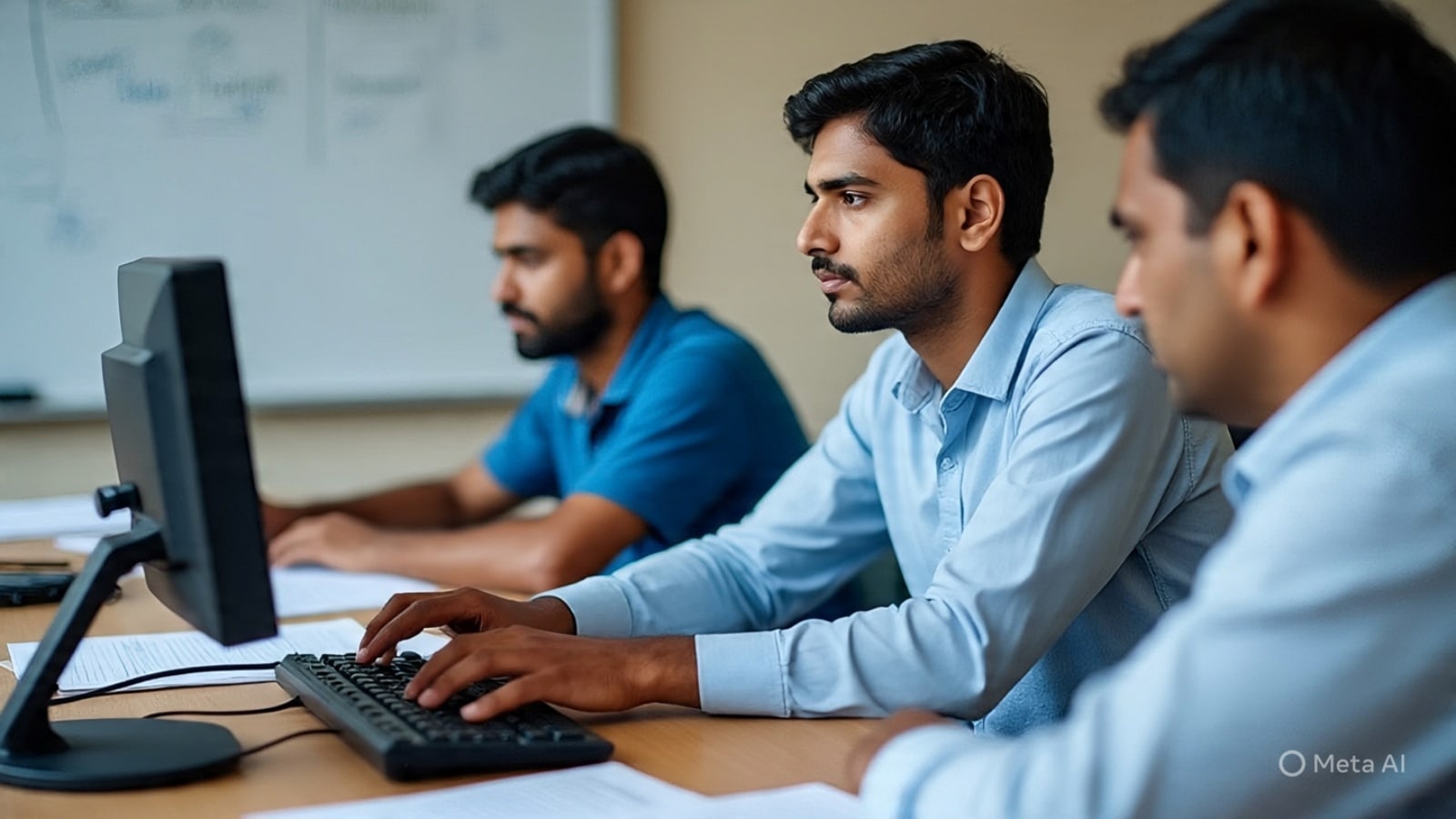
India has emerged as a key economic partner due to its large and relatively young workforce. German policymakers and businesses are increasingly targeting Indian talent, particularly in sectors such as manufacturing, healthcare, engineering and logistics. Expanding access to foreign labour is seen as a necessary step to stabilise labour supply and maintain competitiveness in global markets.
From an economic perspective, labour shortages can have significant macroeconomic consequences. Reduced workforce availability can limit production capacity, increase labour costs and create supply-side bottlenecks. These pressures can lead to slower economic growth while also contributing to inflation through rising wages and higher production costs.
Germany’s approach reflects a broader trend among advanced economies facing demographic challenges. As populations age, countries are increasingly relying on immigration to support labour markets and sustain economic activity. However, integrating foreign workers into the economy requires investment in education, language training and housing, which carries fiscal implications.
The strategy also highlights the growing importance of global labour mobility in shaping economic performance. Countries with surplus labour, such as India, are becoming critical to balancing workforce shortages in developed economies. This dynamic is reshaping international labour flows and influencing long-term economic relationships.
While attracting foreign workers may help alleviate immediate labour constraints, Germany’s economic outlook will depend on its ability to combine migration policies with productivity improvements and structural reforms, ensuring sustainable growth in the face of demographic pressures.
The post Germany Seeks Indian Workers to Support Economy appeared first on PAN Finance.
What's Your Reaction?