





























Ghana cedi closes 2025 among Africa’s top currencies
Ghana’s cedi closed 2025 as the fourth best performing currency in Africa, reflecting a year of relative stability after prolonged volatility and placing the unit among the continent’s stronger exchange rates against the United States dollar. The cedi finished the year at about GH¢10.93 to the dollar, a level that contrasted sharply with the steep depreciation seen in earlier periods and underscored the impact of tighter macroeconomic […] The article Ghana cedi closes 2025 among Africa’s top currencies appeared first on Arabian Post.

Ghana’s cedi closed 2025 as the fourth best performing currency in Africa, reflecting a year of relative stability after prolonged volatility and placing the unit among the continent’s stronger exchange rates against the United States dollar. The cedi finished the year at about GH¢10.93 to the dollar, a level that contrasted sharply with the steep depreciation seen in earlier periods and underscored the impact of tighter macroeconomic management and improved external financing conditions.
The currency’s performance drew attention because Ghana had been viewed as one of the more fragile frontier markets during the debt crisis that culminated in a domestic restructuring and negotiations with multilateral lenders. Through 2025, however, a combination of fiscal consolidation, disbursements under an International Monetary Fund programme and firmer commodity export receipts helped steady the exchange rate. Market participants noted that the cedi outperformed many peers despite persistent global pressures from higher-for-longer interest rates in advanced economies.
Currency traders in Accra said the improvement was most visible in the second half of the year, when foreign exchange liquidity improved and the central bank reduced its direct market interventions. The Bank of Ghana maintained a tight monetary stance, keeping policy rates elevated to curb inflation and support the currency, even as it faced pressure from businesses seeking cheaper credit. Inflation slowed gradually over the year, easing the pass-through of exchange rate movements into domestic prices and reducing speculative demand for foreign currency.
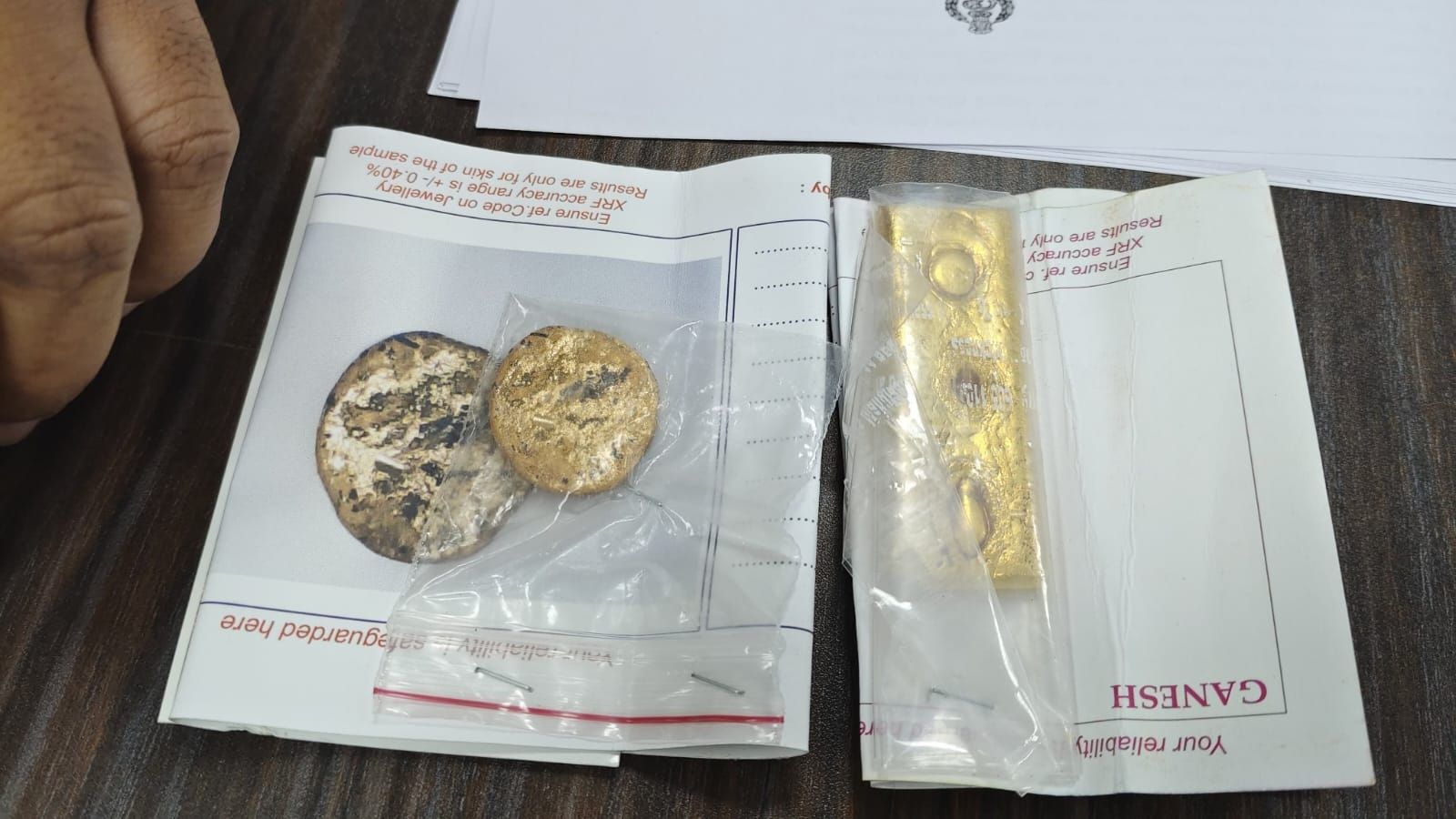
Ghana’s export profile played a critical role in supporting the cedi. Gold shipments remained strong, cocoa earnings improved after supply constraints eased, and oil output from offshore fields added to dollar inflows. Analysts said these receipts helped narrow the current account deficit and bolstered reserves, giving authorities more room to manage volatility without depleting buffers. Remittances from the diaspora also remained resilient, providing a steady stream of foreign exchange to the banking system.
The government’s fiscal position showed signs of repair as expenditure controls tightened and revenue mobilisation improved. Implementation of new tax measures and better compliance reduced reliance on central bank financing, a practice that had previously fuelled inflation and currency weakness. By limiting monetisation of deficits, policymakers signalled a commitment to macroeconomic discipline that reassured investors and rating agencies monitoring the country’s recovery path.
Despite the gains, the cedi’s strength remained relative rather than absolute. It still traded at a fraction of its value from a decade earlier, and businesses continued to grapple with the legacy of high inflation and elevated borrowing costs. Import-dependent sectors reported that while exchange rate stability helped planning and pricing, the level of the currency meant costs remained high compared with regional competitors.
Across Africa, currency performance in 2025 varied widely. A handful of units benefited from commodity booms or orthodox policy frameworks, while others struggled with political uncertainty, external debt servicing and dwindling reserves. The cedi’s fourth-place ranking placed it behind a small group of African currencies that recorded stronger or more consistent gains, but ahead of several larger economies that continued to face depreciation pressures.
Economists cautioned that sustaining the cedi’s performance would depend on maintaining reform momentum in 2026. Key risks included potential slippage in fiscal discipline ahead of political cycles, volatility in global commodity prices and shifts in investor sentiment towards emerging and frontier markets. Any delay in external financing or reversal of capital inflows could quickly test the currency’s resilience.
Business groups welcomed the stability but urged authorities to translate it into broader economic relief. Manufacturers and traders called for a gradual easing of interest rates once inflation allowed, arguing that growth and job creation depended on cheaper financing as much as on exchange rate calm. The central bank, for its part, signalled it would remain data-driven, prioritising price stability and currency confidence over short-term stimulus.
The article Ghana cedi closes 2025 among Africa’s top currencies appeared first on Arabian Post.
What's Your Reaction?