
















‘Happy, excited, confused’: UAE-based Venezuelans react to Maduro's capture
While reports that Venezuelan President Nicolás Maduro had been captured by US forces following a series of strikes sparked celebrations among many Venezuelans in the diaspora, others responded with caution, anger and fear, voicing concerns over political instability, foreign intervention and the uncertain future of the crisis-stricken nation. When UAE-based Venezuelan expat Alonso Morales saw the news, he could not believe his eyes. “We were waiting for 25 years,” he told Khaleej Times, voice shaking with emotion and tears welling up in his eyes. “I was the last from my family who left the country.”Recounting the time spent in Venezuela as a young military officer, the 50-year-old Venezuelan said that the Maduro regime brutally punished relatives of those who opposed it. According to him, the regime put him on a “low risk” list only because they could not prove that Morales was against the regime.Stay up to date with the latest news. Follow KT on WhatsApp Channels.“There were 5 members from my family against the government,” he said, referring to the previous Hugo Chavez regime in 2002. “Unfortunately, one of them spent around 6 years in jail and escaped,” he said, adding that both his cousin’s mother and sister were followed around and intimidated by the authorities to help locate his cousin’s whereabouts. Morales, who was a military officer with no ties to political groups, said he was still followed around because he was deemed a low risk due to his education. “If you have a good intellectual level, they see you as a risk,” he said. Morales added that it was difficult for him to advance in the ranks, all because the regime purposefully made it more difficult for a person with his intellect. Driven by a need to escape political intimidation, Morales left Venezuela and first came to live in Saudi Arabia, then later moved to the UAE in 2018.In terms of how he feels about the future of his country, Morales said, “It's a lot of work to do. It's possible, but it's a lot of work. It's not going to be easy. Our country has the tools and the resources.”‘First step to justice’Music teacher Glenangel Carrera was sitting at home with her children when the news broke. Her first reaction when she saw the news of Maduro’s capture on Saturday was to cry with happiness, relief and disbelief. “I am very happy, I am very excited, but I am confused,” the mother of two said. “It's the first step to break the regime. It’s the first step for justice”Carrera left Venezuela in 2017 for economic, social, and political reasons. For as long as she has lived, she never thought of seeing the day of Maduro’s fall.“Many people are dead. They didn't experience justice. It's difficult in Venezuela, in my country, to get out to protest,” she said. People would end up either beaten, handcuffed and thrown in jail indefinitely, or even wound up dead, she said.However, not all Venezuelans welcomed the news. Some supporters of the government condemned what they described as foreign interference, while others expressed concern that Maduro’s capture could plunge the country into further chaos. According to the BBC, pro-government figures warned that the move could destabilise Venezuela and deepen divisions, while some citizens said they feared violence, retaliation, or a power vacuum following his arrest.Analysts interviewed for a previous Khaleej Times story described the strikes and capture of a sitting president as a precedent in modern US foreign policy and raised concerns about its implications. They said the move could challenge international legal norms and increase instability both in Venezuela and in broader regional politics.Nicolas Maduro put in New York jail; Venezuela's VP demands his releaseUS to ‘run’ Venezuela, use oil reserves until transition after Maduro capture‘Stunned’: Dubai billionaire questions implications of US action in Venezuela
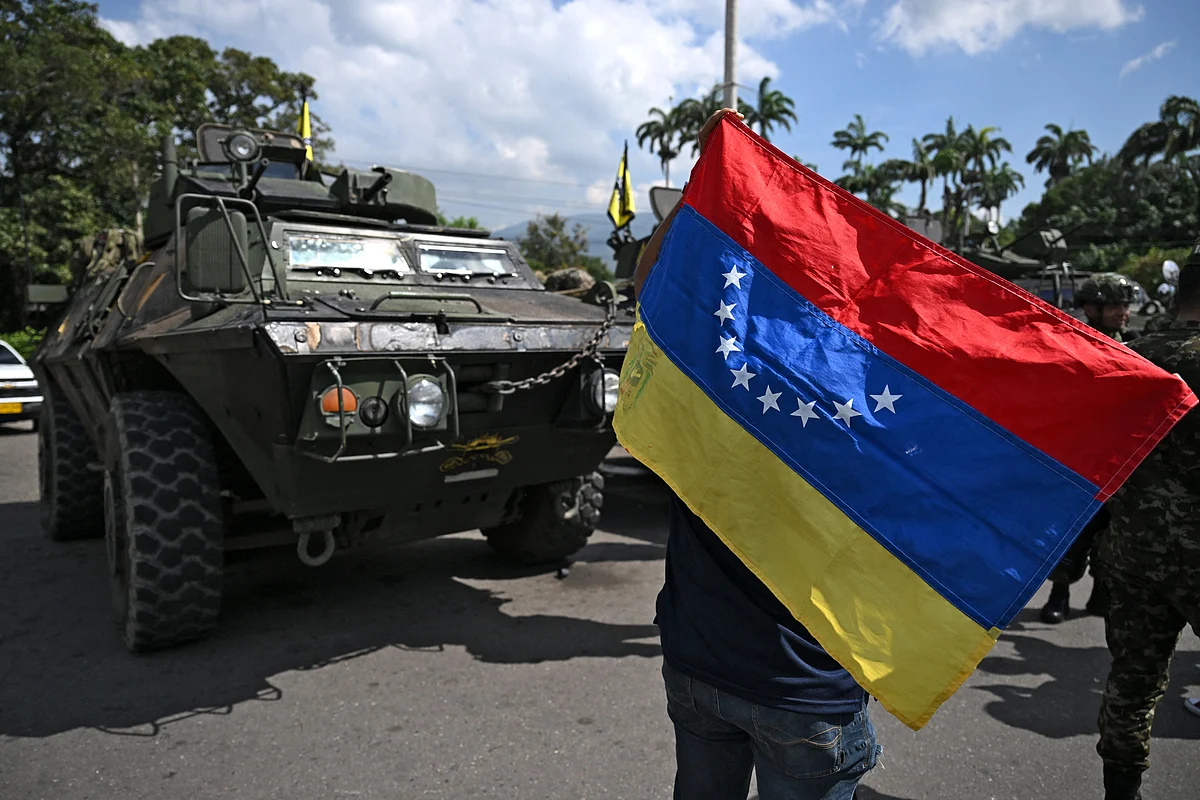
While reports that Venezuelan President Nicolás Maduro had been captured by US forces following a series of strikes sparked celebrations among many Venezuelans in the diaspora, others responded with caution, anger and fear, voicing concerns over political instability, foreign intervention and the uncertain future of the crisis-stricken nation.
When UAE-based Venezuelan expat Alonso Morales saw the news, he could not believe his eyes. “We were waiting for 25 years,” he told Khaleej Times, voice shaking with emotion and tears welling up in his eyes. “I was the last from my family who left the country.”
Recounting the time spent in Venezuela as a young military officer, the 50-year-old Venezuelan said that the Maduro regime brutally punished relatives of those who opposed it. According to him, the regime put him on a “low risk” list only because they could not prove that Morales was against the regime.
Stay up to date with the latest news. Follow KT on WhatsApp Channels.
“There were 5 members from my family against the government,” he said, referring to the previous Hugo Chavez regime in 2002. “Unfortunately, one of them spent around 6 years in jail and escaped,” he said, adding that both his cousin’s mother and sister were followed around and intimidated by the authorities to help locate his cousin’s whereabouts.
Morales, who was a military officer with no ties to political groups, said he was still followed around because he was deemed a low risk due to his education. “If you have a good intellectual level, they see you as a risk,” he said. Morales added that it was difficult for him to advance in the ranks, all because the regime purposefully made it more difficult for a person with his intellect.
Driven by a need to escape political intimidation, Morales left Venezuela and first came to live in Saudi Arabia, then later moved to the UAE in 2018.
In terms of how he feels about the future of his country, Morales said, “It's a lot of work to do. It's possible, but it's a lot of work. It's not going to be easy. Our country has the tools and the resources.”
‘First step to justice’
Music teacher Glenangel Carrera was sitting at home with her children when the news broke. Her first reaction when she saw the news of Maduro’s capture on Saturday was to cry with happiness, relief and disbelief. “I am very happy, I am very excited, but I am confused,” the mother of two said. “It's the first step to break the regime. It’s the first step for justice”
Carrera left Venezuela in 2017 for economic, social, and political reasons. For as long as she has lived, she never thought of seeing the day of Maduro’s fall.
“Many people are dead. They didn't experience justice. It's difficult in Venezuela, in my country, to get out to protest,” she said. People would end up either beaten, handcuffed and thrown in jail indefinitely, or even wound up dead, she said.
However, not all Venezuelans welcomed the news. Some supporters of the government condemned what they described as foreign interference, while others expressed concern that Maduro’s capture could plunge the country into further chaos. According to the BBC, pro-government figures warned that the move could destabilise Venezuela and deepen divisions, while some citizens said they feared violence, retaliation, or a power vacuum following his arrest.
Analysts interviewed for a previous Khaleej Times story described the strikes and capture of a sitting president as a precedent in modern US foreign policy and raised concerns about its implications. They said the move could challenge international legal norms and increase instability both in Venezuela and in broader regional politics.
What's Your Reaction?