
























Historic Peace Agreement Signed Between Regional Powers
After months of negotiations, neighboring countries reach comprehensive peace accord addressing trade, security, and humanitarian cooperation.

## Landmark Diplomatic Achievement
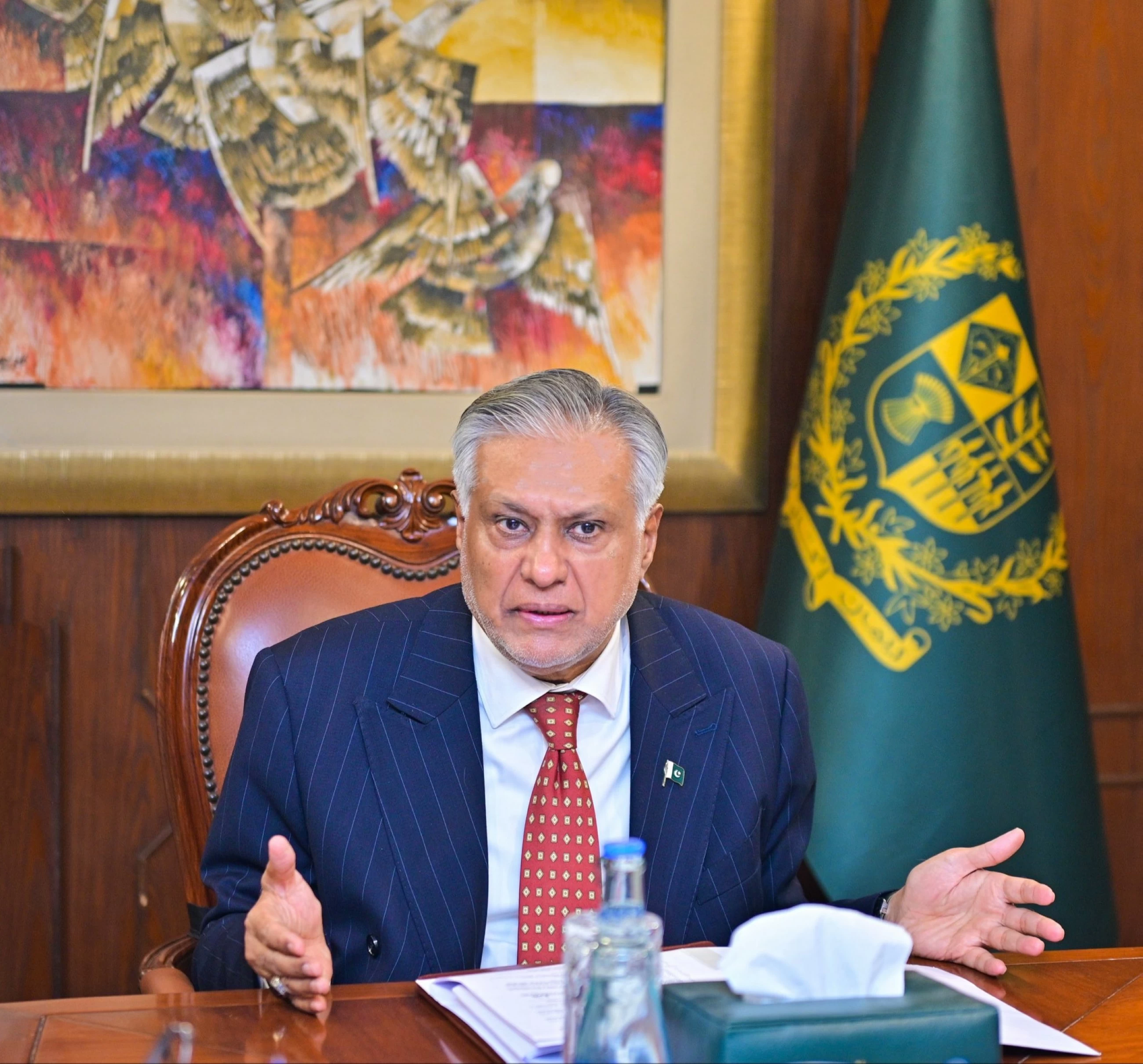
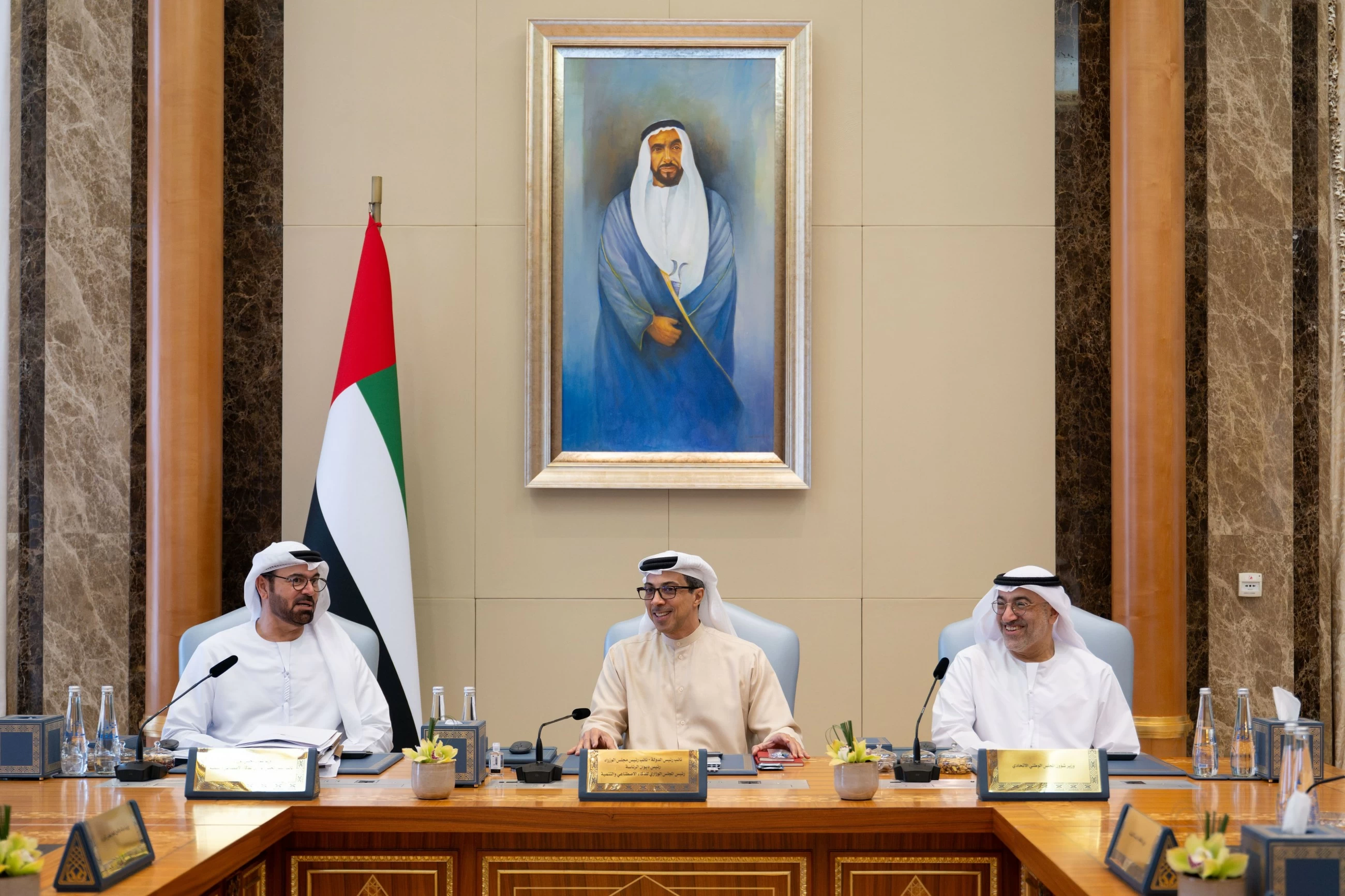
In a ceremony at the United Nations headquarters in New York, representatives from five regional powers signed the **Geneva Accord for Regional Cooperation**, marking the end of decades of tensions and establishing a framework for lasting peace and prosperity in the region.
### Historic Signing Ceremony
The signing ceremony was attended by world leaders and dignitaries:
- **UN Secretary-General** António Guterres presiding
- **Presidents and Prime Ministers** from signatory nations
- **International mediators** from the European Union and African Union
- **Civil society representatives** from affected communities
> "Today marks not just the end of conflict, but the beginning of a new chapter of cooperation and shared prosperity," declared President Elena Vasquez, who led the negotiation process.
## Key Provisions of the Agreement
The comprehensive accord addresses multiple areas of cooperation:
### Security Framework
**Demilitarized zones** established along contested borders
**Joint peacekeeping forces** with international oversight
**Arms reduction commitments** over five-year timeline
**Counter-terrorism cooperation** against regional threats
### Economic Cooperation
The agreement establishes ambitious economic partnerships:
- **Free trade zone** covering 2.3 million square kilometers
- **Shared infrastructure projects** worth $45 billion
- **Joint development bank** with $12 billion initial capital
- **Cross-border investment** protections and incentives
### Humanitarian Measures
Critical humanitarian provisions include:
1. **Refugee resettlement** programs for displaced populations
2. **Medical cooperation** for healthcare access
3. **Educational exchanges** to build understanding
4. **Cultural preservation** initiatives for minority communities
## Negotiation Process
The path to agreement required extensive diplomatic efforts:
### International Mediation
Key international actors facilitated negotiations:
**United Nations**: Providing neutral venue and mediation
**European Union**: Technical expertise and funding support
**African Union**: Regional perspective and cultural understanding
**ASEAN**: Sharing experience from similar peace processes
### Timeline of Talks
- **18 months** of intensive negotiations
- **12 rounds** of formal talks
- **47 bilateral meetings** between nation leaders
- **156 civil society consultations** for inclusive input
## Regional Impact
The agreement promises transformative changes for the region:
### Economic Benefits
Economists project significant positive impacts:
- **GDP growth**: 2.8% additional growth projected across region
- **Trade volume**: Expected to triple within five years
- **Employment**: 1.2 million new jobs from increased cooperation
- **Investment**: $78 billion in foreign direct investment anticipated
### Social Transformation
Beyond economics, the accord addresses social healing:
**Family reunification** for separated communities
**Educational cooperation** including student exchange programs
**Healthcare sharing** of medical resources and expertise
**Environmental protection** joint initiatives for shared ecosystems
## International Recognition
World leaders have praised the historic achievement:
### Global Leadership Response
> "This agreement demonstrates what's possible when nations choose dialogue over conflict. It serves as a model for peaceful resolution worldwide." - UN Secretary-General António Guterres
> "The courage shown by these leaders to choose peace over past grievances inspires hope for similar breakthroughs globally." - European Commission President Ursula von der Leyen
### Academic Assessment
Leading political scientists analyze the accord's significance:
**Harvard Kennedy School**: Calls it "a masterclass in modern diplomacy"
**Oxford International Relations**: Notes "innovative conflict resolution mechanisms"
**Sciences Po Paris**: Highlights "economic integration as peace foundation"
**Georgetown University**: Praises "inclusive negotiation process"
## Implementation Timeline
The accord establishes clear milestones for implementation:
### Phase One (2024-2025)
- **Ceasefire monitoring** systems operational
- **Border demarcation** completed with international observers
- **Trade facilitation** measures implemented
- **Humanitarian aid** distribution networks established
### Phase Two (2025-2027)
- **Infrastructure projects** commence construction
- **Educational exchanges** programs fully operational
- **Investment protocols** activated for cross-border business
- **Environmental cooperation** initiatives launched
### Phase Three (2027-2030)
- **Economic integration** reaches full implementation
- **Security cooperation** becomes self-sustaining
- **Cultural programs** foster long-term understanding
- **Review mechanisms** assess progress and adaptations
## Challenges and Opportunities
Despite optimism, experts identify potential challenges:
### Implementation Risks
- **Political changes** in signatory countries
- **Economic disruptions** affecting cooperation
- **Spoiler groups** opposing peace process
- **External interference** from regional competitors
### Success Factors
Key elements supporting successful implementation:
1. **International oversight** maintaining accountability
2. **Civil society engagement** ensuring grassroots support
3. **Economic incentives** reinforcing political commitments
4. **Flexible mechanisms** adapting to changing circumstances
## Lessons for Global Diplomacy
The agreement offers valuable insights for international relations:
### Innovative Approaches
**Bottom-up consultation** involving affected communities
**Economic integration** as foundation for political cooperation
**Cultural sensitivity** in addressing historical grievances
**Technology utilization** for transparent monitoring
### Diplomatic Best Practices
Successful elements that could be replicated:
- **Patient negotiation** allowing time for trust-building
- **Third-party mediation** providing neutral facilitation
- **Comprehensive approach** addressing root causes
- **Implementation support** ensuring follow-through
## Future Prospects
The Geneva Accord represents a significant step toward regional stability and prosperity. Its success could inspire similar diplomatic breakthroughs in other conflict zones worldwide, demonstrating that even the most entrenched disputes can be resolved through patient diplomacy and mutual commitment to peace.
The international community now watches closely as implementation begins, hopeful that this historic agreement will serve as a model for peaceful conflict resolution in an increasingly complex global landscape.
What's Your Reaction?








Economist Admin
Admin managing news updates, RSS feed curation, and PR content publishing. Focused on timely, accurate, and impactful information delivery.