






























Hormuz blockade fears deepen among western navies
Europe’s leading naval powers have concluded that reopening the Strait of Hormuz to commercial shipping is unlikely while hostilities involving Iran persist, underscoring mounting risks to global energy flows and maritime security in one of the world’s most critical chokepoints. Military planners across allied countries indicate that even a limited conflict scenario would render the narrow waterway effectively inaccessible for sustained civilian navigation, given the high probability […]The article Hormuz blockade fears deepen among western navies appeared first on Arabian Post.

Europe’s leading naval powers have concluded that reopening the Strait of Hormuz to commercial shipping is unlikely while hostilities involving Iran persist, underscoring mounting risks to global energy flows and maritime security in one of the world’s most critical chokepoints.
Military planners across allied countries indicate that even a limited conflict scenario would render the narrow waterway effectively inaccessible for sustained civilian navigation, given the high probability of missile strikes, naval mines and drone attacks. The assessment reflects growing concern that any attempt to escort merchant vessels through the strait would expose naval assets to asymmetric threats that are difficult to neutralise quickly.
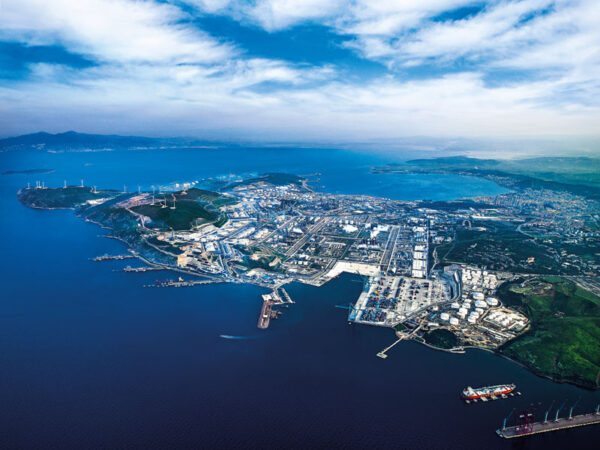
The Strait of Hormuz, through which roughly a fifth of global oil consumption passes, has long been regarded as a strategic vulnerability. Its narrowest point measures about 33 kilometres, with shipping lanes just a few kilometres wide in each direction, making vessels highly exposed. Analysts note that Iran’s long-standing investment in coastal missile batteries, fast-attack craft and mine-laying capabilities has significantly altered the risk calculus for Western navies.
Senior defence officials in Europe argue that clearing mines alone could take weeks, even under favourable conditions. Naval mine countermeasure operations are labour-intensive and slow, requiring specialised vessels and divers, while any ongoing hostilities would complicate detection and disposal efforts. The presence of advanced anti-ship missiles along Iran’s coastline further limits the ability of escort fleets to operate safely in confined waters.
Shipping companies have already begun rerouting vessels or suspending transit through the strait amid rising insurance costs and security concerns. Energy traders report heightened volatility in oil prices as markets factor in the possibility of prolonged disruption. Gulf producers, heavily reliant on Hormuz for exports, are exploring alternative routes, including pipelines to the Red Sea and Arabian Sea, though these options offer limited capacity compared with maritime shipments.
European naval strategists emphasise that maintaining freedom of navigation under wartime conditions would require a level of air and missile defence dominance that is not currently feasible without a broader escalation. Deploying carrier strike groups or expanding air patrols could mitigate some risks, but would not eliminate the threat posed by mines and swarm attacks from smaller vessels.
The United States, which maintains a significant naval presence in the region, has historically led multinational efforts to secure the strait. However, allied officials suggest that even a coordinated operation involving multiple navies would struggle to guarantee safe passage for commercial shipping if conflict intensifies. The challenge lies not only in neutralising immediate threats but also in sustaining a continuous protective corridor for thousands of vessels.
Iran has repeatedly signalled that it could disrupt traffic through Hormuz in response to military pressure, framing the waterway as a lever of strategic deterrence. Past incidents, including tanker seizures and attacks on shipping infrastructure, have demonstrated the vulnerability of maritime trade routes in the Gulf. The current assessment by Western allies reflects a belief that these tactics would be deployed more extensively in a full-scale conflict scenario.
Energy-importing economies in Europe and Asia are particularly exposed to any prolonged closure of the strait. Governments are reviewing contingency plans, including the release of strategic petroleum reserves and diversification of supply sources. Some policymakers are also revisiting long-term investments in energy security, such as expanding liquefied natural gas infrastructure and accelerating the transition to alternative energy.
Maritime insurers have raised premiums sharply for vessels operating in the Gulf, with some underwriters classifying the area as high-risk or war-risk territory. This has led to a reduction in available shipping capacity, as operators weigh the financial and operational risks of transit against potential returns. Industry executives warn that even intermittent disruptions could have cascading effects on global supply chains.
Diplomatic efforts to de-escalate tensions remain ongoing, though officials acknowledge that restoring confidence in the safety of Hormuz would take time even after hostilities subside. Naval authorities stress that reopening the strait would require not only clearing physical threats but also ensuring that shipping companies and insurers are willing to resume normal operations.
The article Hormuz blockade fears deepen among western navies appeared first on Arabian Post.
What's Your Reaction?