


































IELTS to end paper-based exams amid shift in test formats
One of the world’s most widely known English language tests has confirmed full computer-based testing by mid-2026, with a selective handwriting option for the writing component to ease the transition for candidates. The post IELTS to end paper-based exams amid shift in test formats appeared first on The PIE News.
According to a recent statement, all IELTS tests – jointly administered by the British Council, IDP and Cambridge University Press & Assessment – is set to be fully computer-delivered after a “careful review” was conducted.
The development came days before IELTS withdrew from the UK Home Office English Language Testing bid, citing concerns that candidates could take the exam outside a well-supervised, controlled environment.
“Our research shows us that our customers have a better experience with our computer delivered test because it is more convenient, results are faster, and it offers One Skill Retake,” an IDP IELTS spokesperson told The PIE News.
While IELTS has extensive experience delivering computer-based tests (CBT) since launching in Australia in December 2017 and expanding globally in 2018, the shift to full CBT will be “managed carefully on a market-by-market basis over the coming months, in close coordination with test centres and stakeholders”, the spokesperson said.
“They (the IELTS partners) have ample experience, and the test itself doesn’t need to be adjusted. The only challenge will be working with local test centers to ensure that they have the right equipment in place,” stated English testing expert Michael Goodine.
“But that process likely began long before the shift away from paper-delivered testing was publicly announced.”
While countries like India and Pakistan may see a gradual shift to full CBT due to large student populations and extensive test centre networks, its popularity has surged in recent years, driven by faster results, flexible scheduling, multiple daily test slots, and features such as editing, cut-and-paste, and the One Skill Retake (OSR) option.
The feature allows candidates who take the CBT to retake only the module they scored low in, rather than the entire test – a particular benefit in markets like India, where a full test will cost around INR 19,000 (£154) from April 1, 2026, according to Anitha Parakkal, founder and director of Kerala-based Life Education, an English language training institute.
“Most universities expect a score of 6 out of 9 in each module and 6.5 overall. So, if someone scores 5.5 in writing, they can now just retake that one part. It saves both time and money – around 5,000 to 6,000 rupees – and results come back faster,” said Parakkal.
“CBT is also less intimidating for students who are comfortable with technology. And if they need to retake a module, they have 60 days to do it. That’s really helpful, especially in places like Kerala and other parts of India where university exams can get delayed. Students get more flexibility and breathing room.”
Similarly in Pakistan, paper-based tests (PBT) remain popular in smaller towns and rural areas due to power outages, slow internet, and limited trial classes in local English centres, but the rise of mostly CBTs like TOEFL, PTE, Skills for English, and CELPIP is gradually shifting student preference.
“IELTS prep academies are now giving test takers the opportunity to practice on a computer in real time before they sit for the CBT,” stated Dr Osamah Qureshi, director, Ireland Education Office, who has been overseeing English language tests over the past two decades.
“The Punjab government also announced a free laptop scheme, and many students from rural areas studying in universities received free laptops. These steps, along with the overall trend toward IT courses, make students more proficient in computer-based testing.”
It is worth paying very close attention to the availability of this option (Writing on Paper), as it could allay most people’s fears about the shift to computer-delivered testing
Michael Goodine, language testing expert
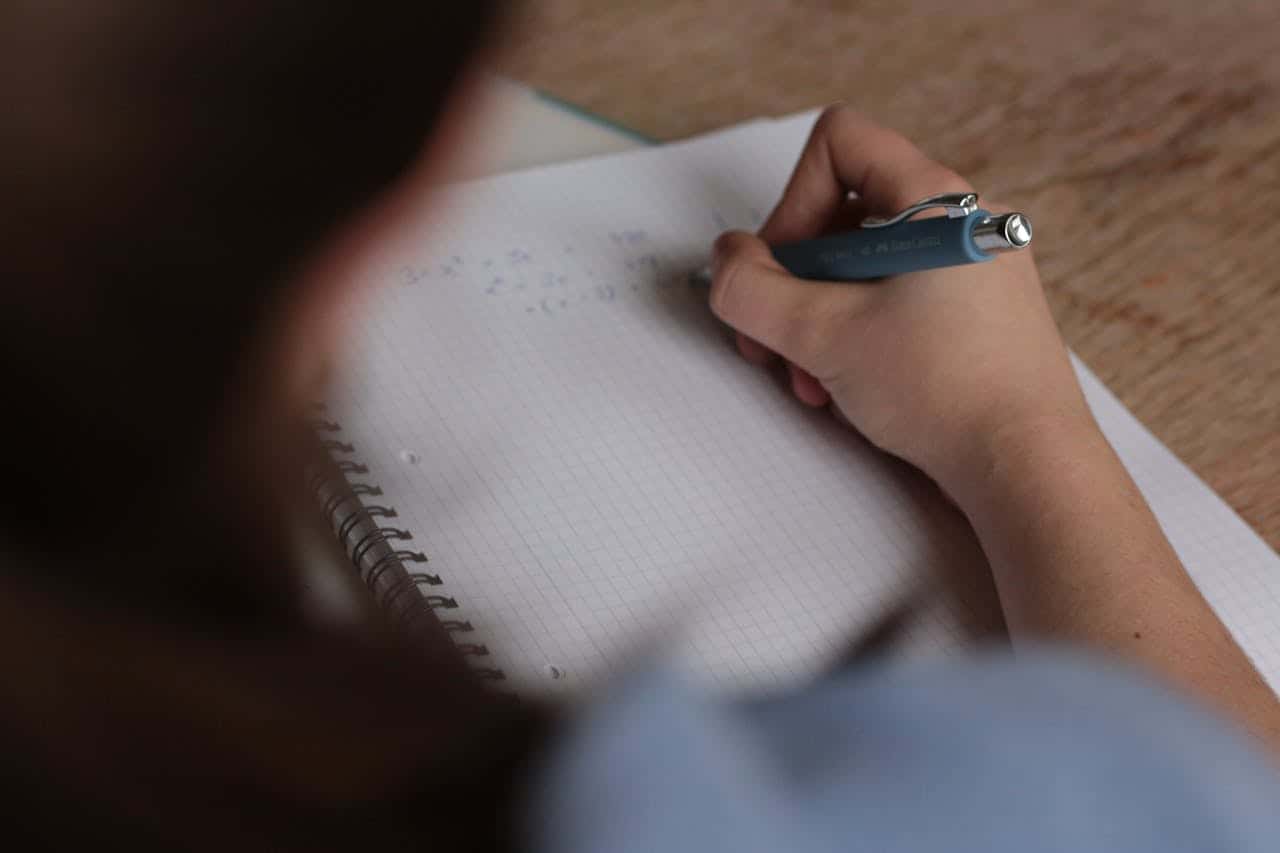
Since many test takers prefer handwriting, IELTS will introduce a “Writing on Paper” option, letting candidates handwrite the writing component while completing listening and reading online.
IELTS partners said research shows scores are comparable between the current PBTs and the Writing on Paper mode for computer-based IELTS, both overall and within each score band.
While the OSR option is available for Writing on Paper, candidates must retake the same module in the same format as their original test. For example, if a test taker chose Writing on Paper, their retake cannot be done on a computer.
“It is worth paying very close attention to the availability of this option, as it could allay most people’s fears about the shift to computer-delivered testing,” advised Goodine.
“Remember that many people opt for paper-delivered tests solely because they don’t like typing essays. For those folks, clicking a few buttons or typing a few short words in the reading and listening sections isn’t a big deal.”
The PIE has not received official confirmation from IDP regarding which markets this feature may be introduced in.
“‘Writing on Paper’ will initially be introduced in a small number of countries, based on candidate preferences and operational considerations,” stated the IDP IELTS spokesperson.
Though technical issues have affected a small number of IELTS candidates in the past, stakeholders say CBT remains the most secure way to deliver the exam, especially in preventing instances of fraud where students try to obtain illegal IELTS qualifications.
“Paper-based tests had their issues — using pencils and erasing mistakes raised security concerns, which is why pens replaced pencils in these tests by 2025. Now, with typing, biometric checks, and surveillance, computer-based testing is much more secure,” stated Parakkal.
“Paper-based testing involves printing, shipping, scoring, storing and disposing of test booklets which contain sensitive information. A system that delivers test items directly to test takers via a secure network is probably easier to secure both in terms of pre-test access to questions and post-test theft of questions,” stated Goodine.
“And in the long run, a shift to 100% computer-delivered testing gives the IELTS partners the freedom to develop and implement new and more varied types of test items. Such items could possibly enhance the overall security of the test.”
The post IELTS to end paper-based exams amid shift in test formats appeared first on The PIE News.
What's Your Reaction?