






























Immigration hard line shows early political costs for Trump
Signs are emerging that President Donald Trump’s aggressive immigration drive is carrying political risks, with polling shifts, street protests and unease among key voter blocs suggesting the strategy is beginning to dent public support. The administration has intensified workplace raids, expanded detention capacity and accelerated deportations while federal authorities have moved forcefully to disperse demonstrations against the sweeps, framing the approach as a necessary restoration of law […] The article Immigration hard line shows early political costs for Trump appeared first on Arabian Post.

Polling released over the past several weeks shows a narrowing of Trump’s advantage on immigration, long considered one of his strongest issues. While a majority of voters continue to back tougher border enforcement in principle, support softens when respondents are asked about mass detentions, family separations during arrests, and the use of federal agents to break up protests. Surveys indicate growing concern among independents and suburban voters that the tactics are excessive, even if they agree with the goal of reducing unlawful crossings.
Public reaction has been shaped by a series of high-profile enforcement actions across large metropolitan areas and agricultural regions, where arrests at worksites and traffic stops have disrupted local economies. Business groups in construction, food processing and hospitality warn that abrupt labour shortages are pushing up costs and forcing employers to scale back operations. Farm associations in several states have said crops risk being left unharvested as migrant labourers stay away from fields for fear of detention, amplifying price pressures already felt by consumers.
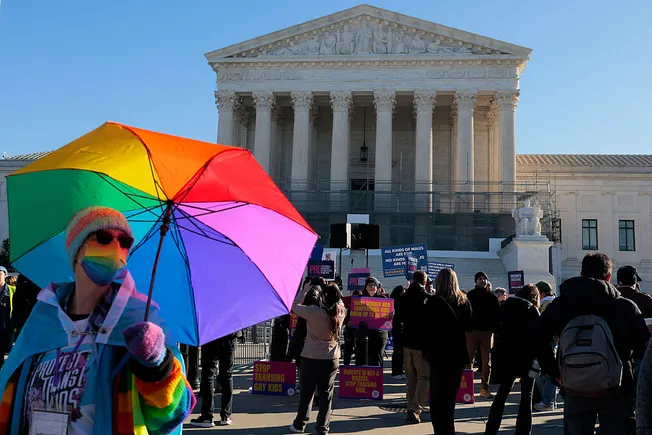
The political fallout is also visible on the streets. Demonstrations opposing the immigration sweep have drawn tens of thousands in cities including Los Angeles, Chicago and New York. Images of federal officers using crowd-control measures against protesters have circulated widely, fuelling criticism from civil liberties advocates and some local officials. While the White House argues that firm action is needed to prevent unrest and uphold federal law, the confrontations have revived debates about proportionality and the limits of executive power.
Within the Republican Party, there is broad alignment behind stronger border controls, yet quieter concern about how the message is landing beyond the base. Strategists close to congressional campaigns say the tone of enforcement risks alienating swing voters ahead of a closely fought election cycle. Several lawmakers from competitive districts have urged the administration to emphasise deportations of people with serious criminal records rather than sweeping actions that ensnare long-settled families and workers with deep community ties.
Democratic leaders have seized on the issue, portraying the crackdown as punitive and economically reckless. They argue that scenes of children left without parents and employers scrambling for staff undermine the administration’s claim to be protecting American prosperity. At the same time, party figures are careful not to appear dismissive of border security concerns, mindful that voters remain frustrated with long-standing failures to modernise the immigration system.
Legal challenges are adding another layer of uncertainty. Federal courts are weighing cases on the scope of executive authority in immigration enforcement and the treatment of detainees. Adverse rulings could slow the administration’s momentum and reinforce perceptions that policy is being driven by spectacle rather than sustainable reform. Even favourable decisions may not blunt criticism if enforcement continues to generate social and economic disruption.
The White House maintains that the approach is working, pointing to falling apprehension numbers at the southern border and increased removals. Officials argue that decisive action was overdue after years of lax enforcement and that public opinion will swing back once voters see sustained results. They also frame protests as evidence of entrenched interests resisting change rather than a sign of broader discontent.
The article Immigration hard line shows early political costs for Trump appeared first on Arabian Post.
What's Your Reaction?