
























India ends paper arrival cards
Foreign visitors to India will have to complete a digital e-Arrival Card before landing from April 1, 2026, marking the end of the paper disembarkation card that travellers had long filled out on board or at immigration counters. The move is part of a wider technology-led overhaul of border processing that authorities say is aimed at cutting queues, improving data accuracy and giving immigration officers faster access to passenger information.The e-Arrival Card is submitted online through the official Indian Visa Online portal, the Bureau of Immigration platform or the government’s Indian Visa Su-Swagatam mobile app. The current official guidance says the form must be completed within 72 hours before arrival and is for arrival information only, not a visa. Travellers are asked to provide passport details, travel information, contact particulars, purpose of visit and their address in India, after which a digital confirmation is generated for presentation on arrival.The April 1 deadline is not the start of the digital system itself but the point at which the physical card is being withdrawn after a transition period. Government-linked notices issued through overseas missions said the digital disembarkation process had already come into force on October 1, 2025, while paper cards would continue temporarily for as long as six months or until further notice. An immigration advisory published this week by Fragomen, citing a government announcement, said physical cards would be permanently discontinued from April 1, 2026.That chronology matters because it shows India is not unveiling a wholly new border form overnight, but completing a staged shift towards paperless arrival processing. The official visa portal now prominently carries a notice that foreigners and OCI card holders can complete and submit the e-Arrival Card online within 72 hours before arrival through approved government channels. That wording suggests authorities are folding the form more tightly into the wider immigration and visa network rather than treating it as a stand-alone travel add-on.The policy aligns with a broader expansion of the Immigration, Visa, Foreigners Registration and Tracking scheme, or IVF-RT, which the Union Cabinet has approved for another five years through March 2031 with an outlay of Rs 1,800 crore. Officials have described the plan as a way to link visa issuance, immigration records, travel history and foreigner registration databases so that decisions at entry and exit points rely less on fragmented manual checks and more on integrated digital records.For travellers, the most immediate consequence is procedural rather than legal. The e-Arrival Card does not replace a visa, e-Visa or other entry authorisation. It supplements them. A visitor who already holds valid travel permission for India will still need to file the digital arrival declaration in the permitted time window. That means airlines, travel agents, business mobility firms and universities handling international arrivals are likely to spend the next few days reminding passengers that a boarding document and an arrival declaration are now separate steps in the journey.The government’s pitch is built around speed and visibility. Digital pre-submission allows immigration systems to receive data before a flight lands, which can reduce form-filling bottlenecks at the airport and improve risk screening. Industry specialists tracking mobility rules say the change also gives authorities stronger data control and supports more real-time monitoring of foreign arrivals. That mirrors a global pattern in which governments are replacing handwritten landing cards with app-based or portal-based pre-arrival disclosures.There are, however, operational questions that matter for passengers. Official pages make clear that the form should be completed within 72 hours of arrival, yet some secondary reports have described slightly different timelines or suggested varying treatment of QR code presentation depending on when the form is filed. The most reliable course for travellers is therefore to follow the instructions displayed on the official government portal or app at the time of submission, rather than relying on social media summaries or copied advisories.Another area requiring care is who exactly falls under the rule. The current official portal text explicitly refers to foreigners and OCI card holders being able to submit the e-Arrival Card, while some earlier mission notices had described OCI holders as exempt before later updates changed that position. For foreign visitors travelling on tourist, business, student or other visas, the direction is straightforward: the digital arrival filing now sits at the centre of entry processing.The article India ends paper arrival cards appeared first on Arabian Post.
Foreign visitors to India will have to complete a digital e-Arrival Card before landing from April 1, 2026, marking the end of the paper disembarkation card that travellers had long filled out on board or at immigration counters. The move is part of a wider technology-led overhaul of border processing that authorities say is aimed at cutting queues, improving data accuracy and giving immigration officers faster access to passenger information.
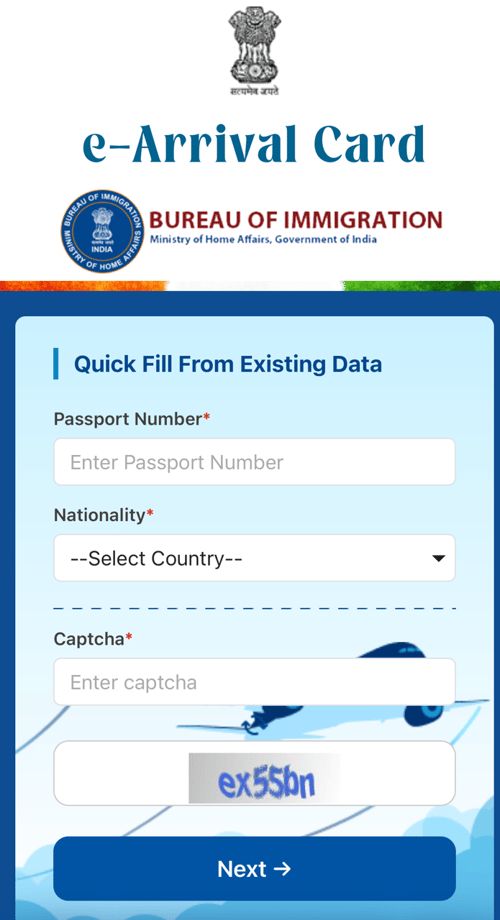
The e-Arrival Card is submitted online through the official Indian Visa Online portal, the Bureau of Immigration platform or the government’s Indian Visa Su-Swagatam mobile app. The current official guidance says the form must be completed within 72 hours before arrival and is for arrival information only, not a visa. Travellers are asked to provide passport details, travel information, contact particulars, purpose of visit and their address in India, after which a digital confirmation is generated for presentation on arrival.
The April 1 deadline is not the start of the digital system itself but the point at which the physical card is being withdrawn after a transition period. Government-linked notices issued through overseas missions said the digital disembarkation process had already come into force on October 1, 2025, while paper cards would continue temporarily for as long as six months or until further notice. An immigration advisory published this week by Fragomen, citing a government announcement, said physical cards would be permanently discontinued from April 1, 2026.
That chronology matters because it shows India is not unveiling a wholly new border form overnight, but completing a staged shift towards paperless arrival processing. The official visa portal now prominently carries a notice that foreigners and OCI card holders can complete and submit the e-Arrival Card online within 72 hours before arrival through approved government channels. That wording suggests authorities are folding the form more tightly into the wider immigration and visa network rather than treating it as a stand-alone travel add-on.
The policy aligns with a broader expansion of the Immigration, Visa, Foreigners Registration and Tracking scheme, or IVF-RT, which the Union Cabinet has approved for another five years through March 2031 with an outlay of Rs 1,800 crore. Officials have described the plan as a way to link visa issuance, immigration records, travel history and foreigner registration databases so that decisions at entry and exit points rely less on fragmented manual checks and more on integrated digital records.
For travellers, the most immediate consequence is procedural rather than legal. The e-Arrival Card does not replace a visa, e-Visa or other entry authorisation. It supplements them. A visitor who already holds valid travel permission for India will still need to file the digital arrival declaration in the permitted time window. That means airlines, travel agents, business mobility firms and universities handling international arrivals are likely to spend the next few days reminding passengers that a boarding document and an arrival declaration are now separate steps in the journey.
The government’s pitch is built around speed and visibility. Digital pre-submission allows immigration systems to receive data before a flight lands, which can reduce form-filling bottlenecks at the airport and improve risk screening. Industry specialists tracking mobility rules say the change also gives authorities stronger data control and supports more real-time monitoring of foreign arrivals. That mirrors a global pattern in which governments are replacing handwritten landing cards with app-based or portal-based pre-arrival disclosures.
There are, however, operational questions that matter for passengers. Official pages make clear that the form should be completed within 72 hours of arrival, yet some secondary reports have described slightly different timelines or suggested varying treatment of QR code presentation depending on when the form is filed. The most reliable course for travellers is therefore to follow the instructions displayed on the official government portal or app at the time of submission, rather than relying on social media summaries or copied advisories.
Another area requiring care is who exactly falls under the rule. The current official portal text explicitly refers to foreigners and OCI card holders being able to submit the e-Arrival Card, while some earlier mission notices had described OCI holders as exempt before later updates changed that position. For foreign visitors travelling on tourist, business, student or other visas, the direction is straightforward: the digital arrival filing now sits at the centre of entry processing.
The article India ends paper arrival cards appeared first on Arabian Post.
What's Your Reaction?