




























Inside Abu Dhabi's Smart Yard: How AI is testing drivers without an examiner
For many driving licence applicants, the most nerve‑wracking part of the test is the examiner sitting beside them. At Emirates Driving Company (EDC), the feeling is quietly disappearing. In its place is a fully automated ‘Smart Yard System’, where cameras, satellites, sensors and artificial intelligence assess every move a learner makes, without an human examiner in the car.What the Smart Yard looks like in actionDuring a live demonstration at EDC's testing yard, candidates arrived, received a short on‑screen introduction, entered their student number and ID, and buckled up. Before the exam begins, the system checks seatbelt use, mirrors and basic safety steps. When ready, the driver gives a clear thumbs‑up to the camera — the signal that starts the test.From a nearby control room, staff monitor the process through multiple screens. One shows a live camera feed of the vehicle, another displays a digital map tracking the car's exact position in real time. There is no examiner in the vehicle. Instead, the system automatically assigns the test sequence — side parking, angle parking, 90‑degree parking and, for manual cars, the bridge — based on the student’s schedule.Stay up to date with the latest news. Follow KT on WhatsApp Channels.As the car moves through the course, the Smart Yard records everything. Touching a line, failing to check mirrors, entering a bay incorrectly — each action is logged. The system distinguishes between minor, major and critical mistakes using criteria approved by regulators. Some errors can be corrected on the spot as students are given a second chance; others lead to an immediate fail.At the end of the test — which can take as little as three to five minutes — results appear instantly. If a candidate fails, the reason is clearly shown on screen. A full video playback is saved, allowing students to review exactly where things went wrong or raise objections with visual evidence.'The car told me the test was over'Trying the Smart Yard first‑hand, this reporter found that its precision is impossible to ignore.I failed — spectacularly. Parallel parking went wrong, so I switched to standard parking, entered from the wrong side, reversed into another bay and crossed the line. After five or six accumulated mistakes, the car autonomously stopped in its tracks. A message appeared, calmly informing me that the test was over.No raised voices. No awkward silences. Just data, decisions and an unarguable digital record. As I have always considered myself technologically impaired, not having an examiner by my side telling me precisely what to do added to my confusion. Safety without an examinerAccording to EDC, removing the examiner from the car does not reduce safety — it increases it. If a vehicle exceeds speed limits, exits the designated area, approaches a curb incorrectly or risks a collision, the system intervenes automatically, braking or stopping the car.All tests are conducted within EDC's closed premises, designed like a miniature city complete with roads, bridges, intersections and parking zones. The environment is tightly controlled, with strict speed limits and no pedestrian access during testing. From traditional testing to fully smartEDC CEO Khaled Al Shemeili said the Smart Yard system was designed to eliminate human bias while increasing speed, transparency and capacity. The cars are equipped with artificial intelligence, satellite connectivity, and internal and external cameras, allowing students to be examined without human intervention.According to Al Shemeili, the examiner is no longer in the vehicle but instead monitors the test remotely through live screens, ensuring what he described as zero human error and a fully recorded exam that can be referenced at any time in case of complaints or appeals.EDC is currently transitioning from traditional examiner-led tests to the Smart Yard model. While only a limited number of vehicles are operating under the system today, Al Shemeili said all customers are expected to move to the smart yard in the coming months.He added that automated testing significantly reduces waiting times and increases throughput, an important factor for an organisation that handles around 140,000 trainees annually. Every candidate, he said, is assessed using the same approved criteria, creating a unified standard across all tests. For nervous test-takers: the examiner may be gone, but the system is watching everything.UAE: 5-minute driving licence, shorter test time in Ras Al Khaimah with Smart Testing VillageHumans teaching AI: How driverless cars racing in Abu Dhabi run on code, brainpower
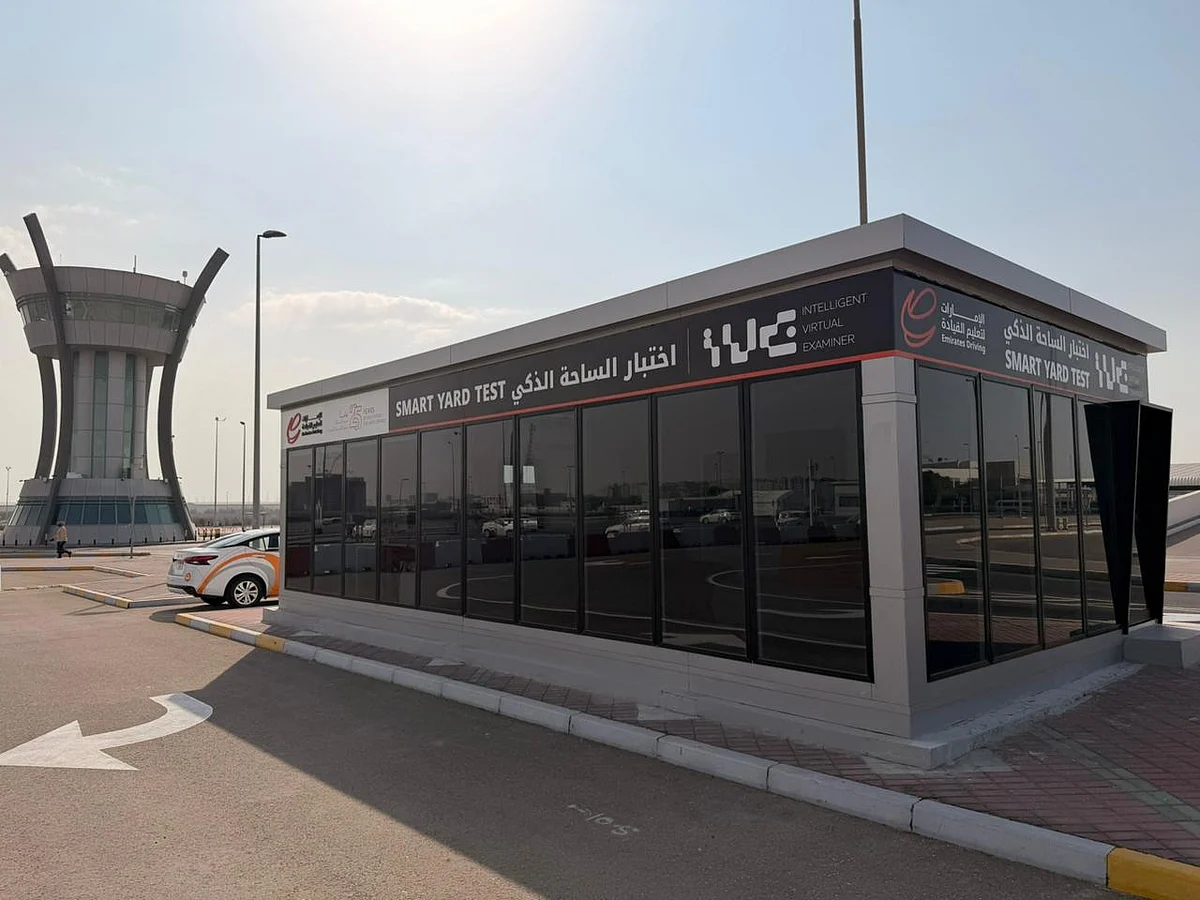
For many driving licence applicants, the most nerve‑wracking part of the test is the examiner sitting beside them. At Emirates Driving Company (EDC), the feeling is quietly disappearing. In its place is a fully automated ‘Smart Yard System’, where cameras, satellites, sensors and artificial intelligence assess every move a learner makes, without an human examiner in the car.
What the Smart Yard looks like in action
During a live demonstration at EDC's testing yard, candidates arrived, received a short on‑screen introduction, entered their student number and ID, and buckled up. Before the exam begins, the system checks seatbelt use, mirrors and basic safety steps. When ready, the driver gives a clear thumbs‑up to the camera — the signal that starts the test.
From a nearby control room, staff monitor the process through multiple screens. One shows a live camera feed of the vehicle, another displays a digital map tracking the car's exact position in real time. There is no examiner in the vehicle. Instead, the system automatically assigns the test sequence — side parking, angle parking, 90‑degree parking and, for manual cars, the bridge — based on the student’s schedule.
Stay up to date with the latest news. Follow KT on WhatsApp Channels.
As the car moves through the course, the Smart Yard records everything. Touching a line, failing to check mirrors, entering a bay incorrectly — each action is logged. The system distinguishes between minor, major and critical mistakes using criteria approved by regulators. Some errors can be corrected on the spot as students are given a second chance; others lead to an immediate fail.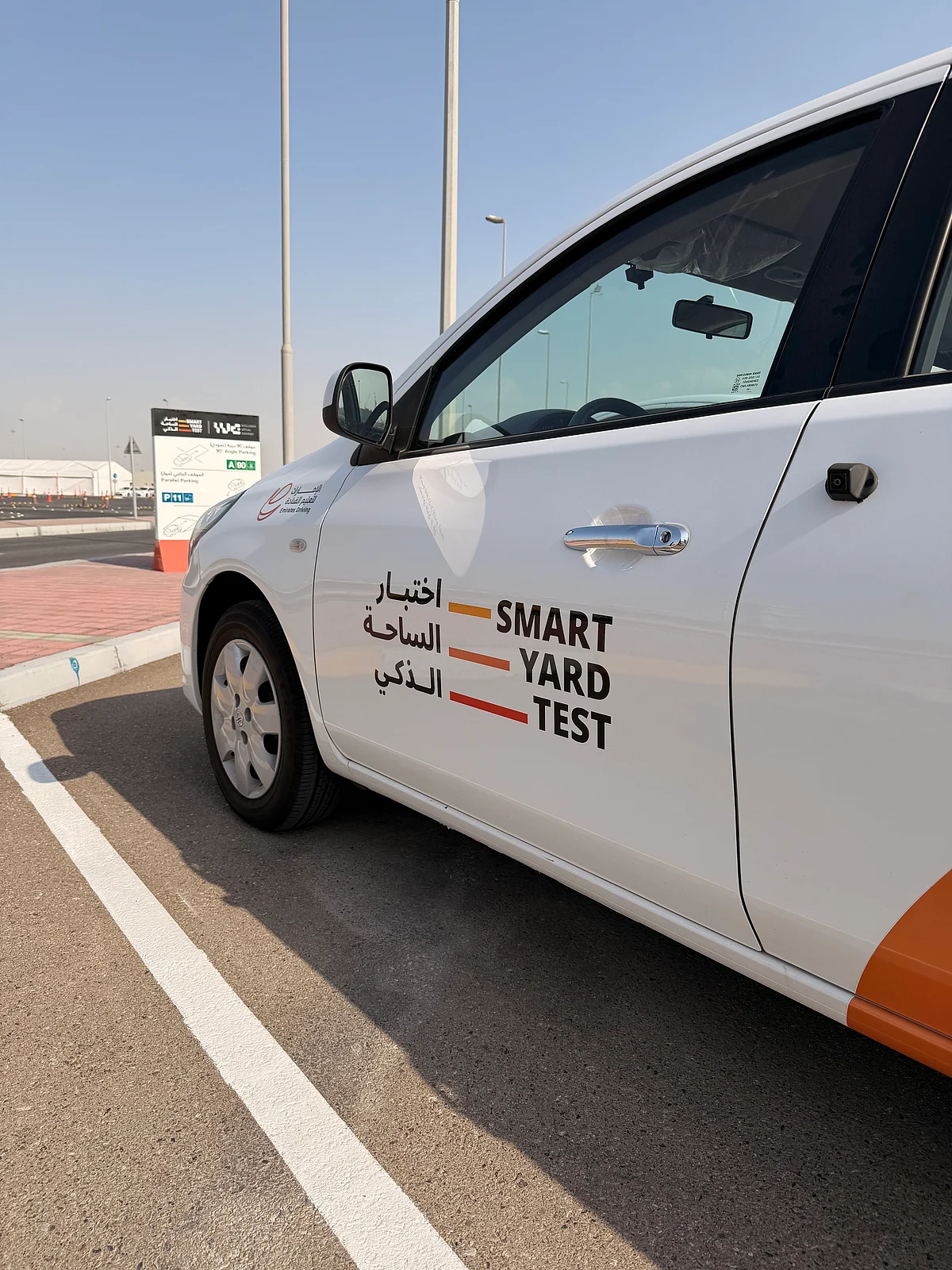
At the end of the test — which can take as little as three to five minutes — results appear instantly. If a candidate fails, the reason is clearly shown on screen. A full video playback is saved, allowing students to review exactly where things went wrong or raise objections with visual evidence.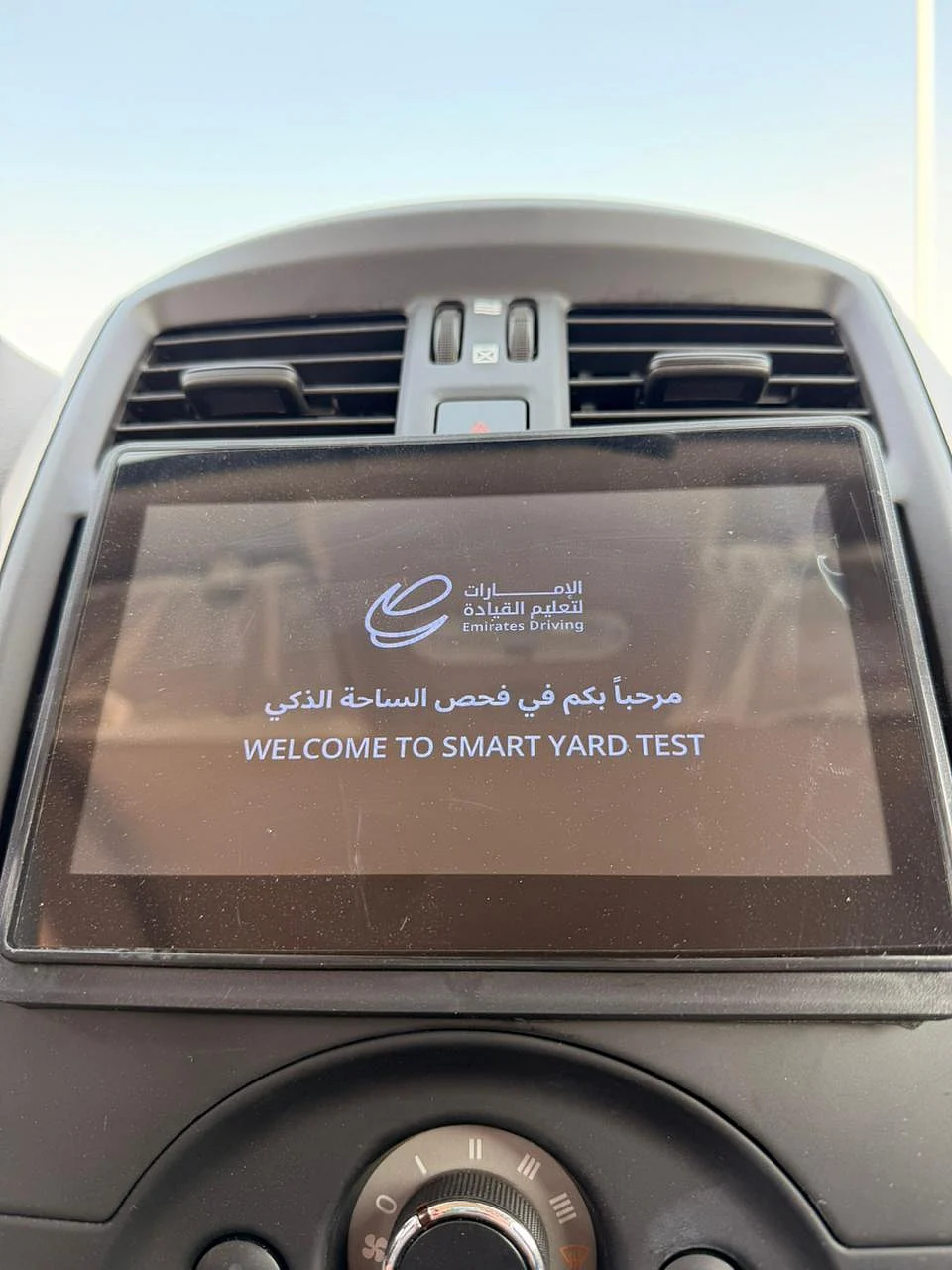
'The car told me the test was over'
Trying the Smart Yard first‑hand, this reporter found that its precision is impossible to ignore.
I failed — spectacularly. Parallel parking went wrong, so I switched to standard parking, entered from the wrong side, reversed into another bay and crossed the line. After five or six accumulated mistakes, the car autonomously stopped in its tracks. A message appeared, calmly informing me that the test was over.
No raised voices. No awkward silences. Just data, decisions and an unarguable digital record. As I have always considered myself technologically impaired, not having an examiner by my side telling me precisely what to do added to my confusion. 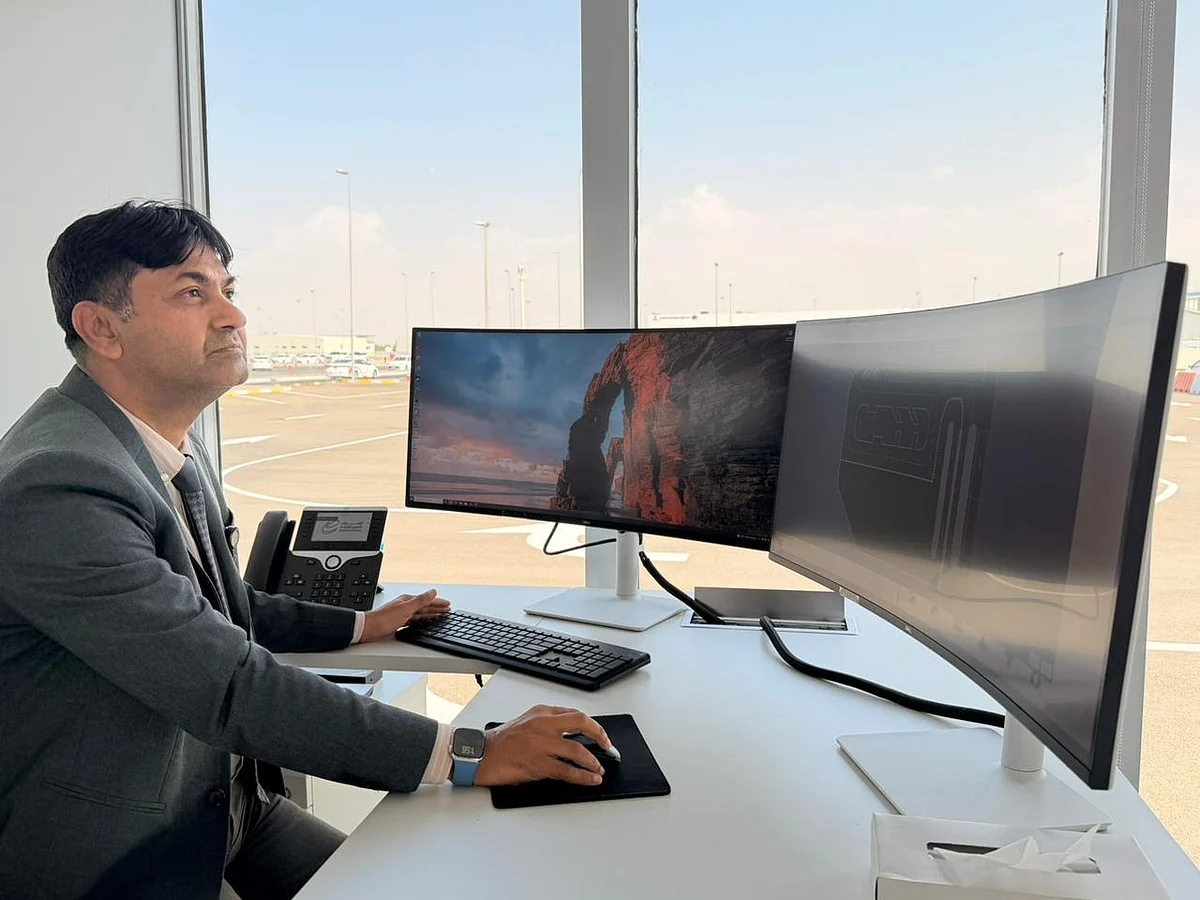
Safety without an examiner
According to EDC, removing the examiner from the car does not reduce safety — it increases it. If a vehicle exceeds speed limits, exits the designated area, approaches a curb incorrectly or risks a collision, the system intervenes automatically, braking or stopping the car.
All tests are conducted within EDC's closed premises, designed like a miniature city complete with roads, bridges, intersections and parking zones. The environment is tightly controlled, with strict speed limits and no pedestrian access during testing.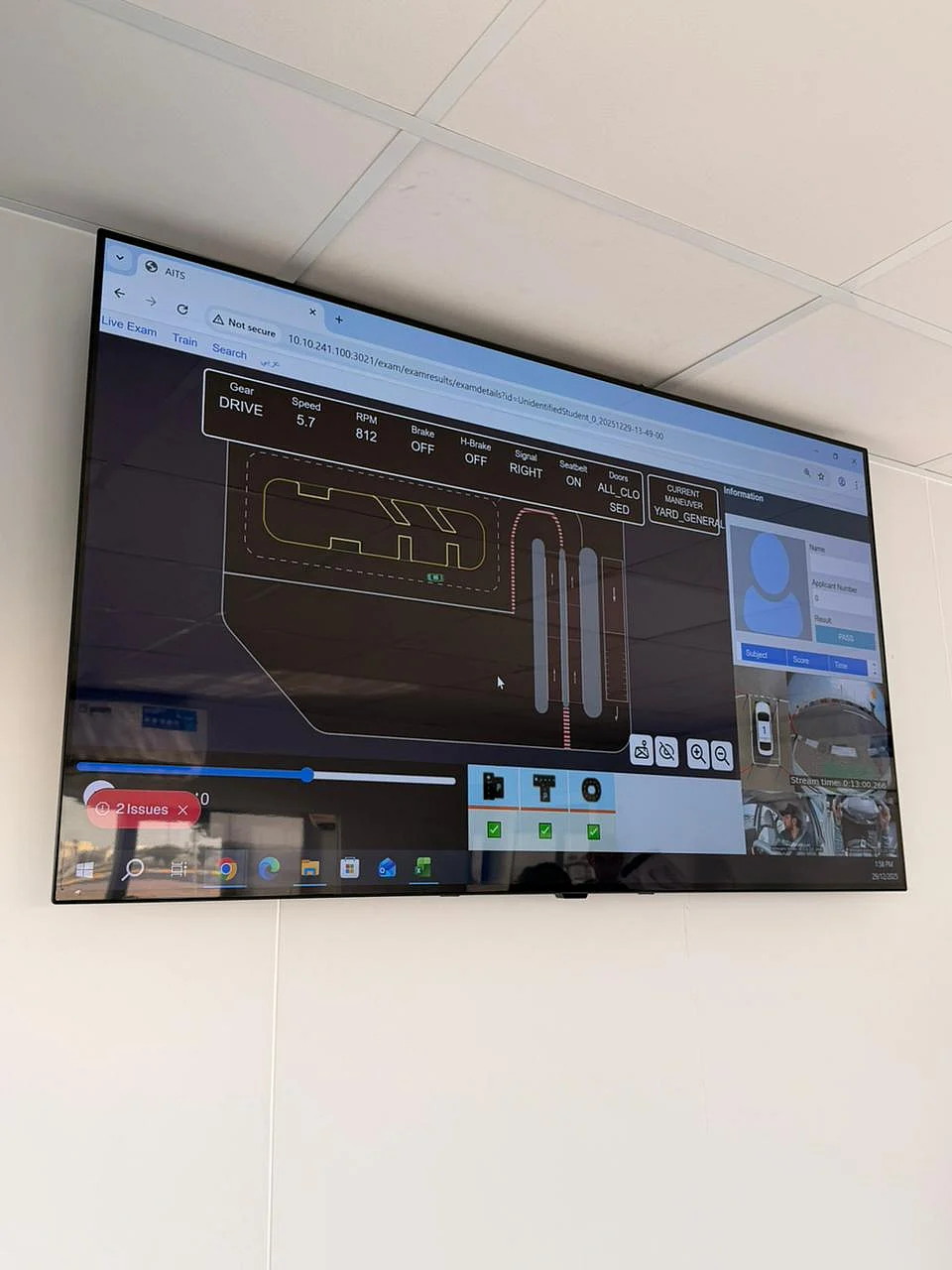
From traditional testing to fully smart
EDC CEO Khaled Al Shemeili said the Smart Yard system was designed to eliminate human bias while increasing speed, transparency and capacity. The cars are equipped with artificial intelligence, satellite connectivity, and internal and external cameras, allowing students to be examined without human intervention.
According to Al Shemeili, the examiner is no longer in the vehicle but instead monitors the test remotely through live screens, ensuring what he described as zero human error and a fully recorded exam that can be referenced at any time in case of complaints or appeals.
EDC is currently transitioning from traditional examiner-led tests to the Smart Yard model. While only a limited number of vehicles are operating under the system today, Al Shemeili said all customers are expected to move to the smart yard in the coming months.
He added that automated testing significantly reduces waiting times and increases throughput, an important factor for an organisation that handles around 140,000 trainees annually. Every candidate, he said, is assessed using the same approved criteria, creating a unified standard across all tests. For nervous test-takers: the examiner may be gone, but the system is watching everything.
What's Your Reaction?