


























Iran strikes escalate as Israel faces mounting damage
Escalating missile exchanges between Iran and Israel have entered a more intense phase, with sustained barrages causing injuries, infrastructure damage and widespread disruption across multiple regions. Authorities in Israel reported dozens wounded after waves of projectiles struck urban centres, marking a sharp rise in the scale and frequency of attacks as the confrontation stretches into its fourth week. Air raid sirens sounded across major cities, including Tel […]The article Iran strikes escalate as Israel faces mounting damage appeared first on Arabian Post.

Escalating missile exchanges between Iran and Israel have entered a more intense phase, with sustained barrages causing injuries, infrastructure damage and widespread disruption across multiple regions. Authorities in Israel reported dozens wounded after waves of projectiles struck urban centres, marking a sharp rise in the scale and frequency of attacks as the confrontation stretches into its fourth week.
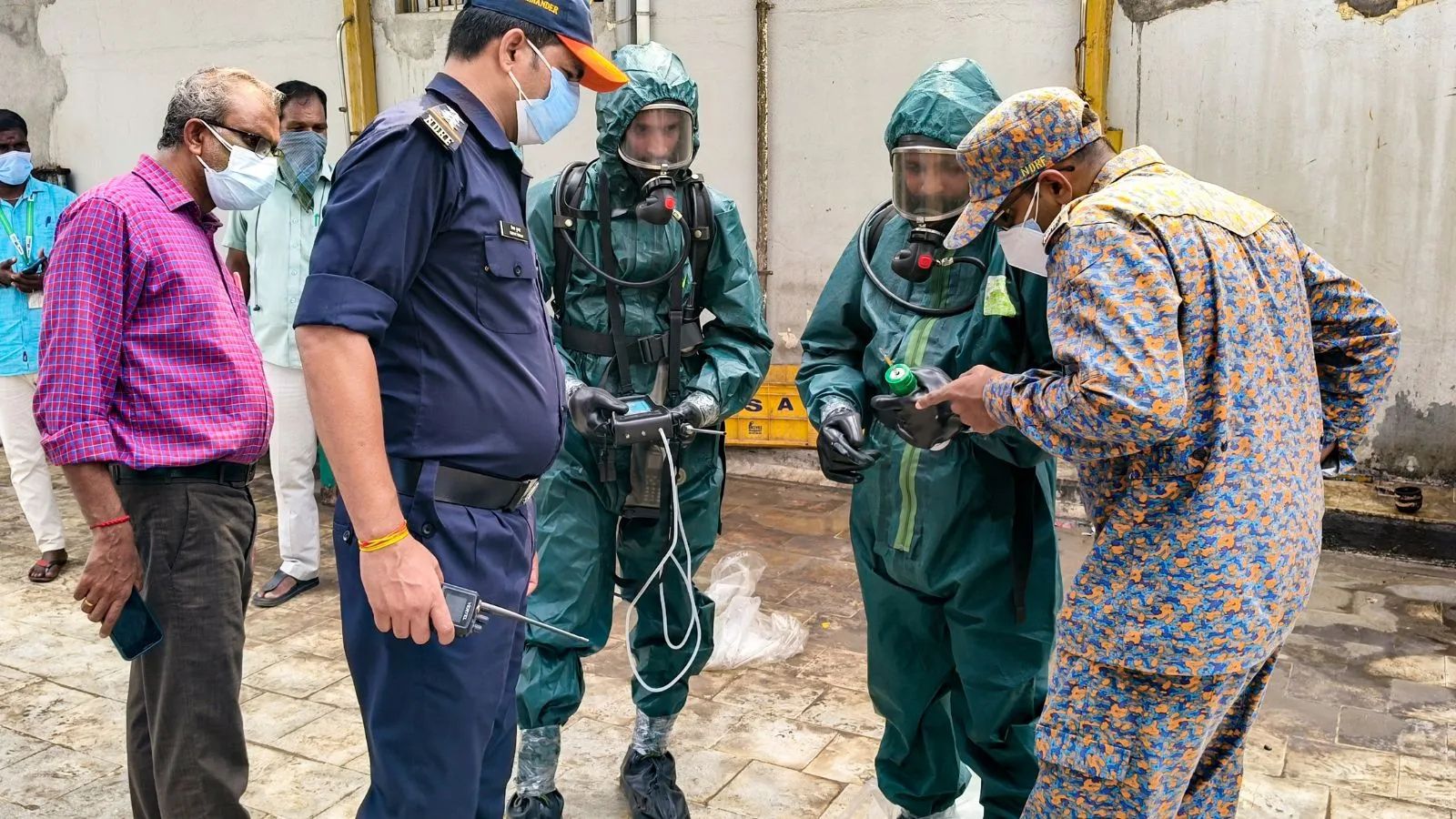
Air raid sirens sounded across major cities, including Tel Aviv and Haifa, forcing residents into shelters as defence systems worked to intercept incoming missiles. Officials said several projectiles penetrated interception layers, hitting residential neighbourhoods and critical facilities. Emergency services described scenes of shattered buildings, fires and debris, with hospitals treating casualties ranging from minor injuries to more serious trauma.
Military analysts note that the pattern of strikes reflects a shift in operational tempo, with Iran and allied forces deploying a broader mix of ballistic and cruise missiles alongside drones. The diversification has challenged Israel’s layered air defence network, which relies on systems such as Iron Dome, David’s Sling and Arrow to counter threats at varying ranges. While interceptions have remained significant, the sheer volume of launches has increased the likelihood of impacts.
Government officials in Israel have framed the escalation as part of a coordinated campaign aimed at overwhelming defences and exerting psychological pressure on civilian populations. Security briefings indicated that strategic sites, including energy infrastructure and transport links, were among the intended targets, although many strikes landed in residential zones. Authorities have urged the public to adhere strictly to safety protocols as the risk of further attacks remains high.
Iranian officials have characterised the strikes as a response to Israeli military actions in the wider region, including operations targeting Iranian-linked assets. Statements from Tehran emphasised deterrence and retaliation, signalling that the campaign could continue if hostilities persist. Regional observers point to a cycle of action and counteraction that has steadily expanded the scope of confrontation beyond isolated incidents.
Economic and social disruptions have intensified alongside the military exchanges. Flight operations at several airports were temporarily halted or diverted, while schools and businesses in affected areas faced closures. Power outages were reported in some districts following damage to electrical infrastructure, complicating emergency response efforts and heightening concerns over prolonged instability.
International reactions have underscored the risk of broader escalation. Diplomatic channels remain active, with multiple governments urging restraint and warning of the consequences of a sustained conflict between regional powers. The situation has also raised concerns about maritime security and energy supply routes, particularly given the strategic importance of shipping lanes in the region.
Defence experts highlight that the evolving nature of the strikes suggests an attempt to test the limits of existing air defence systems. The use of simultaneous launches from different vectors, combined with electronic countermeasures, has introduced new complexities for interception. This dynamic has prompted discussions within security circles about the need for enhanced coordination, intelligence sharing and technological upgrades.
Humanitarian implications are becoming increasingly visible. Emergency shelters have seen a surge in occupancy, with families spending extended periods underground amid repeated alerts. Medical teams have reported strain on resources as casualty numbers fluctuate with each wave of attacks. Psychological stress among civilians has also emerged as a growing concern, with prolonged exposure to sirens and uncertainty affecting daily life.
Political leadership in Israel has signalled a readiness to continue military operations, framing them as necessary to neutralise threats and restore deterrence. At the same time, domestic debate has intensified over the handling of the crisis, including questions about preparedness and the effectiveness of defensive measures under sustained pressure.
The article Iran strikes escalate as Israel faces mounting damage appeared first on Arabian Post.
What's Your Reaction?