






























Kept A 9-Day Navratri Fast? 5 Key Things To Know Before Breaking Your Fast Today
Completing a nine-day Navratri fast is a powerful blend of discipline, devotion, and self-control. However, what many overlook is that breaking the fast correctly is just as important as observing it. After days of restricted eating, your digestive system becomes sensitive, and a sudden shift to heavy meals can lead to discomfort, fatigue, or even health issues. To help you transition smoothly, here are essential tips to follow before you end your Navratri fast, ensuring your body regains strength without stress. ALSO READ: Ram Navami 2026: Timings, Puja Muhurat And Kanya Pujan Rituals For 27 March 1. Start Your Day With Light And Easily Digestible Food (Image Source: ABPLIVE AI) After prolonged fasting, your stomach needs time to adjust to regular food intake. Begin with light, easily digestible options such as fruits, boiled potatoes, or simple vrat-friendly dishes like sabudana khichdi. These foods help your digestive system gradually return to normal functioning without overwhelming it. Avoid jumping straight to heavy, spicy, or fried meals, as this can lead to bloating, acidity, or discomfort. Hydrating fruits like watermelon or papaya can be especially beneficial in restoring lost nutrients and water balance. The key is to reintroduce food gently, allowing your body to ease back into routine eating habits while maintaining energy levels. 2. Stay Hydrated Before And After Breaking The Fast (Image Source: ABPLIVE AI) Hydration plays a crucial role in helping your body recover after fasting. During Navratri, many people reduce their water intake, which can lead to dehydration. Before breaking your fast, drink water, coconut water, or fresh fruit juices to replenish lost fluids and electrolytes. This helps in preventing dizziness and fatigue. Avoid caffeinated or sugary drinks initially, as they may strain your system. Proper hydration supports digestion, improves metabolism, and ensures a smoother transition from fasting to regular eating. 3. Avoid Overeating In Excitement (Image Source: ABPLIVE AI) It’s natural to feel tempted to indulge after nine days of fasting, but overeating can do more harm than good. Consuming large portions or heavy meals immediately can shock your digestive system, leading to discomfort, nausea, or lethargy. Instead, eat small portions at regular intervals. This allows your body to process food efficiently without stress. Focus on mindful eating, chew slowly, enjoy each bite, and listen to your body’s hunger cues. 4. Include Protein And Nutrient-Rich Food Gradually (Image Source: ABPLIVE AI) Your body needs essential nutrients to recover after fasting. Incorporate protein-rich foods like paneer, yoghurt, or nuts in small quantities to rebuild strength. Adding fibre-rich vegetables and wholesome grains gradually can also support digestion and maintain energy levels. Avoid introducing all food groups at once; instead, reintroduce them step by step. Balanced nutrition ensures that your body regains lost nutrients without causing digestive distress. 5. Listen To Your Body And Avoid Heavy Spices Initially (Image Source: ABPLIVE AI) After fasting, your body becomes more sensitive to strong flavours and spices. Consuming heavily spiced or oily food can irritate the stomach lining and lead to acidity or indigestion. Pay attention to how your body reacts to different foods and adjust accordingly. Start with mild, simple meals and gradually increase complexity over time. Listening to your body’s signals, such as fullness, discomfort, or fatigue, can guide you in making better dietary choices. 6. Maintain A Calm and Balanced Routine Post-Fast (Image Source: ABPLIVE AI) Breaking a fast is not just about food; it’s about maintaining overall balance. Avoid strenuous physical activity immediately after eating, as your body needs time to adjust. Instead, focus on light movement, relaxation, and maintaining a calm state of mind. Continuing some of the discipline developed during Navratri, such as mindful eating and regular routines, can have long-term benefits for your health. A balanced lifestyle post-fast helps sustain the physical and mental benefits gained during the nine days. [Disclaimer: The information provided in the article is intended for general informational purposes only. It is not a substitute for professional medical advice, diagnosis, or treatment. Always seek the advice of your physician or other qualified healthcare provider with any questions you may have regarding a medical condition.]
Completing a nine-day Navratri fast is a powerful blend of discipline, devotion, and self-control. However, what many overlook is that breaking the fast correctly is just as important as observing it. After days of restricted eating, your digestive system becomes sensitive, and a sudden shift to heavy meals can lead to discomfort, fatigue, or even health issues.
To help you transition smoothly, here are essential tips to follow before you end your Navratri fast, ensuring your body regains strength without stress.
ALSO READ: Ram Navami 2026: Timings, Puja Muhurat And Kanya Pujan Rituals For 27 March
1. Start Your Day With Light And Easily Digestible Food

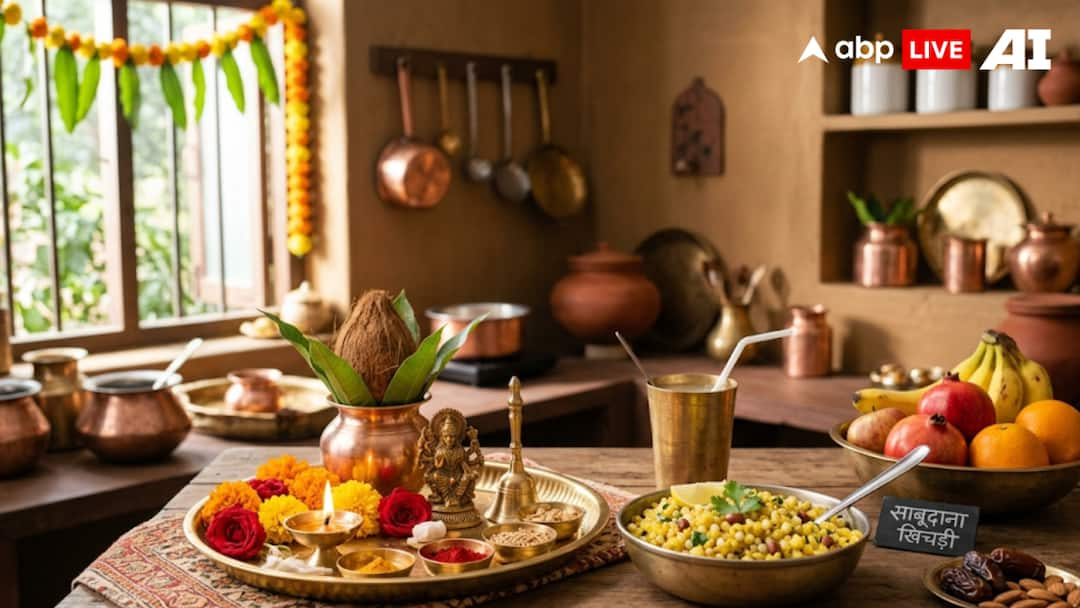
After prolonged fasting, your stomach needs time to adjust to regular food intake. Begin with light, easily digestible options such as fruits, boiled potatoes, or simple vrat-friendly dishes like sabudana khichdi. These foods help your digestive system gradually return to normal functioning without overwhelming it. Avoid jumping straight to heavy, spicy, or fried meals, as this can lead to bloating, acidity, or discomfort. Hydrating fruits like watermelon or papaya can be especially beneficial in restoring lost nutrients and water balance. The key is to reintroduce food gently, allowing your body to ease back into routine eating habits while maintaining energy levels.
2. Stay Hydrated Before And After Breaking The Fast

Hydration plays a crucial role in helping your body recover after fasting. During Navratri, many people reduce their water intake, which can lead to dehydration. Before breaking your fast, drink water, coconut water, or fresh fruit juices to replenish lost fluids and electrolytes. This helps in preventing dizziness and fatigue. Avoid caffeinated or sugary drinks initially, as they may strain your system. Proper hydration supports digestion, improves metabolism, and ensures a smoother transition from fasting to regular eating.
3. Avoid Overeating In Excitement

It’s natural to feel tempted to indulge after nine days of fasting, but overeating can do more harm than good. Consuming large portions or heavy meals immediately can shock your digestive system, leading to discomfort, nausea, or lethargy. Instead, eat small portions at regular intervals. This allows your body to process food efficiently without stress. Focus on mindful eating, chew slowly, enjoy each bite, and listen to your body’s hunger cues.
4. Include Protein And Nutrient-Rich Food Gradually

Your body needs essential nutrients to recover after fasting. Incorporate protein-rich foods like paneer, yoghurt, or nuts in small quantities to rebuild strength. Adding fibre-rich vegetables and wholesome grains gradually can also support digestion and maintain energy levels. Avoid introducing all food groups at once; instead, reintroduce them step by step. Balanced nutrition ensures that your body regains lost nutrients without causing digestive distress.
5. Listen To Your Body And Avoid Heavy Spices Initially

After fasting, your body becomes more sensitive to strong flavours and spices. Consuming heavily spiced or oily food can irritate the stomach lining and lead to acidity or indigestion. Pay attention to how your body reacts to different foods and adjust accordingly. Start with mild, simple meals and gradually increase complexity over time. Listening to your body’s signals, such as fullness, discomfort, or fatigue, can guide you in making better dietary choices.
6. Maintain A Calm and Balanced Routine Post-Fast

Breaking a fast is not just about food; it’s about maintaining overall balance. Avoid strenuous physical activity immediately after eating, as your body needs time to adjust. Instead, focus on light movement, relaxation, and maintaining a calm state of mind. Continuing some of the discipline developed during Navratri, such as mindful eating and regular routines, can have long-term benefits for your health. A balanced lifestyle post-fast helps sustain the physical and mental benefits gained during the nine days.
[Disclaimer: The information provided in the article is intended for general informational purposes only. It is not a substitute for professional medical advice, diagnosis, or treatment. Always seek the advice of your physician or other qualified healthcare provider with any questions you may have regarding a medical condition.]
What's Your Reaction?