



















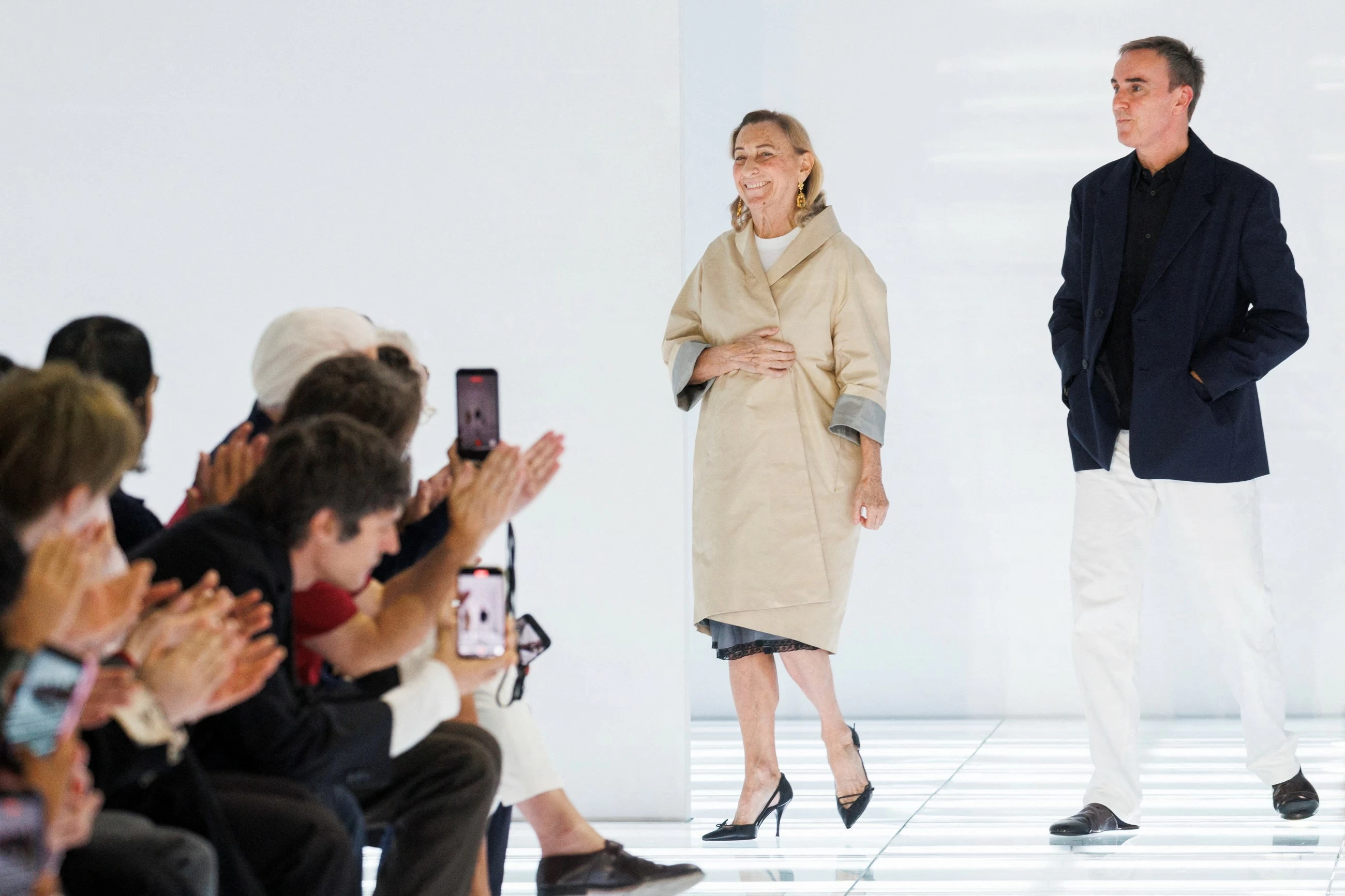




King Abdulaziz Center for World Culture (Ithra) celebrates Spain in Cultural Days
Following the success of last year’s Ithra Cultural Days Japan edition, which welcomed more than 200,000 visitors in only two weeks, the King Abdulaziz Center for World Culture (Ithra) has announced this year’s Ithra Cultural Days featuring Spain, taking place January 12 - 31 at its headquarters in Dhahran, KSA. The programme, taglined Live Spain, activates the Center’s spaces, inviting visitors to move between experiences and discover multiple aspects of Spanish culture, in a single visit. Ithra Cultural Days unfolds across the Plaza, Museum, Theater, Lush Garden, Library, Idea Lab, Cinema, Children’s Museum, Energy Exhibit and Ithra Tower, presenting exhibitions dedicated to Spanish photography, fashion and sports, alongside Spanish cuisine and interactive installations exploring historical and linguistic connections between Arab and Spanish cultures and traditions.Live programming forms a central part of the experience, with daily performances across multiple stages, including the theatre and Lush Garden, as well as Spanish parades, flamenco-inspired works and roaming performances. The schedule also includes larger-scale productions presented at key moments throughout the event. Among performance highlights is a production of Carmen, presented as part of Ithra’s theatre programme. “Cultural exchange is a core part of Ithra’s approach to programming,” said Noura Alzamil, Programs Manager, Ithra. “Celebrating Spain’s culture and history reflects this focus, particularly as this year’s Cultural Days takes on a distinctive character by exploring Spain’s cultural heritage.” She added that visitors to Ithra would experience “an exciting programme in every sense, given the scale and variety of events designed to appeal to all tastes and interests.”Cinema programming presents a curated selection of Spanish short and feature films throughout the event period, accompanied by post-screening discussions, reinforcing the cultural context. Talks and sessions in the Idea Lab and Library explore architecture, literature and creative practice, complementing the visual and performance-based programme. Hands-on workshops invite visitors to engage directly with Spanish craft and creative traditions, from visual arts and design, to food-related practices. A dedicated programme for children and youth runs in parallel, with storytelling, creative workshops and performances developed for families and younger audiences.Food and market experiences extend the programme into Ithra’s public spaces, through culinary activations and outdoor market offerings, reflecting the social role of food. In short, Ithra Cultural Days featuring Spain presents international cultures through immersive, public-facing experiences. The 2026 edition offers audiences multiple ways to experience cultural expressions across disciplines and generations, through a programme that encourages discovery, participation and shared moments.An AI Overview notes that Arab-Spanish cultural relations are deeply rooted in the historic Al-Andalus period (711-1492 CE), which has left an indelible mark on Spain's architecture, language and cuisine, among others. Historically, architecture like the grand structures of the Mezquita of Cordoba, the Alhambra in Granada and the Giralda in Seville, showcase intricate Islamic design, courtyards, and water features. Arabic significantly influenced Spanish vocabulary, introducing terms for food (azúcar, arroz), science, government (alcázar), and common phrases (ojalá from Insha Allah). Arabs introduced ingredients like rice, saffron, citrus fruits and sugar, shaping many Spanish dishes and desserts.In science and mathematics, advanced Arabic knowledge in the subjects enabled sophisticated engineering and architectural feats. Arab cultural influence is seen in modern Spanish art and music too (Moroccan-Spanish rappers).Many place names of Spanish cities and landmarks have Arabic roots like Gibraltar (Jabal Ṭāriq or Mount of Tariq); Guadalquivir (al-Wadi al-Kabir or the great river); Madrid (Madrid's Arabic name was Majrit, derived from the Arabic mayra or water channels/streams); Albacete (from Arabic Al-Basit or the plain) and Alhambra (from Arabic al-Qalʻat al-Ḥamrāʼ or the Red Fortress, referring to the reddish colour of its walls made from local reddish clay). Modern ties are fostered through institutions like Casa Arabe and cultural exchanges like Ithra’s Cultural Days, featuring Spain. They bridge this rich past with contemporary collaboration in art, education, and tourism.Casa Árabe, for example, serves as a key centre for dialogue, promoting Arab culture in Spain and fostering collaboration between intellectuals, artists, and students. Since its establishment in 2006 under the supervision of the Ministry of Foreign Affairs and Cooperation, it has served as a vital bridge between Arab and Spanish cultures, seeking to conduct studies that showcase Arab culture in European and Latin American contexts. Casa Árabe has two headq
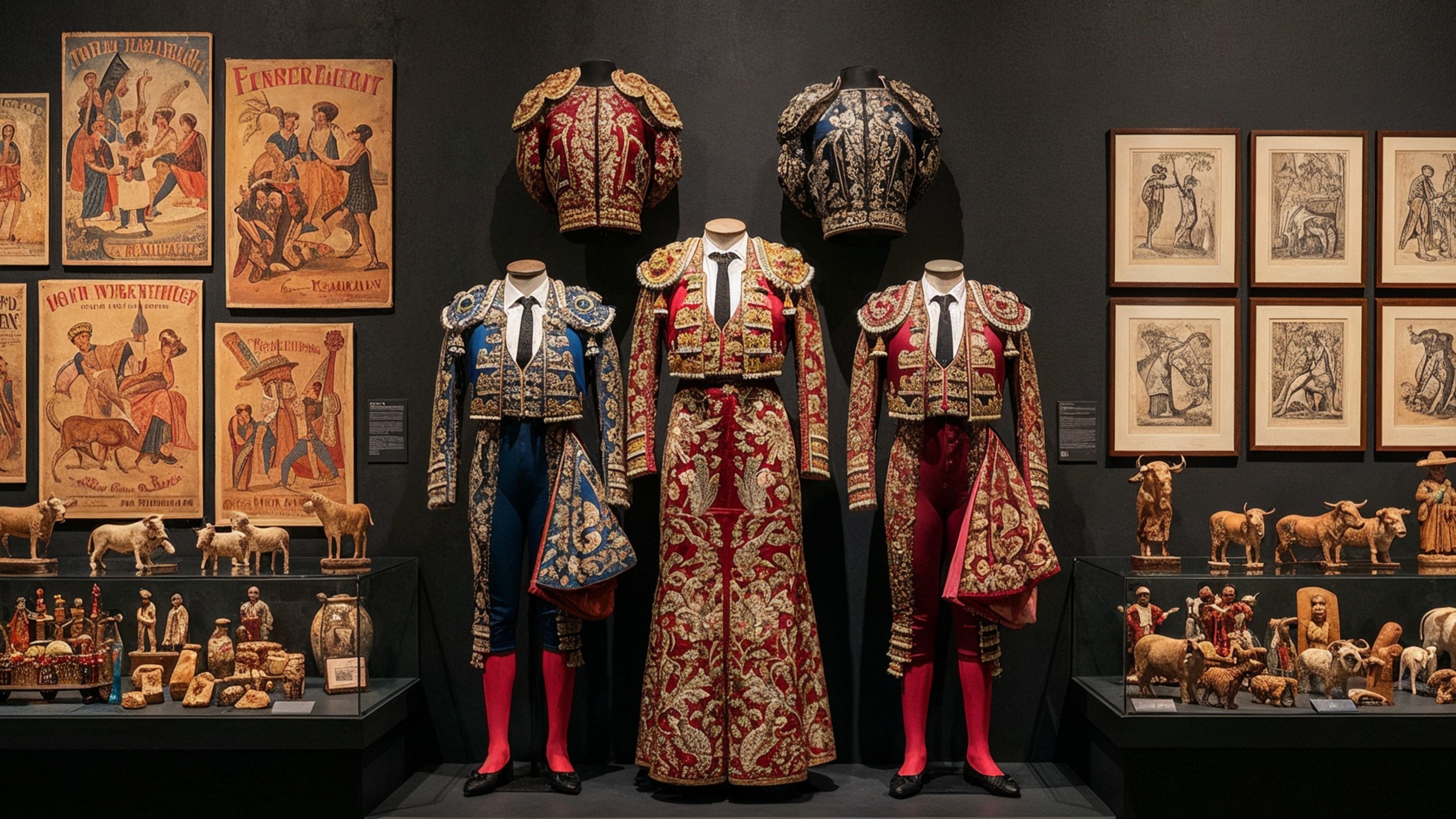
Following the success of last year’s Ithra Cultural Days Japan edition, which welcomed more than 200,000 visitors in only two weeks, the King Abdulaziz Center for World Culture (Ithra) has announced this year’s Ithra Cultural Days featuring Spain, taking place January 12 - 31 at its headquarters in Dhahran, KSA. The programme, taglined Live Spain, activates the Center’s spaces, inviting visitors to move between experiences and discover multiple aspects of Spanish culture, in a single visit. Ithra Cultural Days unfolds across the Plaza, Museum, Theater, Lush Garden, Library, Idea Lab, Cinema, Children’s Museum, Energy Exhibit and Ithra Tower, presenting exhibitions dedicated to Spanish photography, fashion and sports, alongside Spanish cuisine and interactive installations exploring historical and linguistic connections between Arab and Spanish cultures and traditions.Live programming forms a central part of the experience, with daily performances across multiple stages, including the theatre and Lush Garden, as well as Spanish parades, flamenco-inspired works and roaming performances. The schedule also includes larger-scale productions presented at key moments throughout the event. Among performance highlights is a production of Carmen, presented as part of Ithra’s theatre programme. “Cultural exchange is a core part of Ithra’s approach to programming,” said Noura Alzamil, Programs Manager, Ithra. “Celebrating Spain’s culture and history reflects this focus, particularly as this year’s Cultural Days takes on a distinctive character by exploring Spain’s cultural heritage.” She added that visitors to Ithra would experience “an exciting programme in every sense, given the scale and variety of events designed to appeal to all tastes and interests.”Cinema programming presents a curated selection of Spanish short and feature films throughout the event period, accompanied by post-screening discussions, reinforcing the cultural context. Talks and sessions in the Idea Lab and Library explore architecture, literature and creative practice, complementing the visual and performance-based programme. Hands-on workshops invite visitors to engage directly with Spanish craft and creative traditions, from visual arts and design, to food-related practices. A dedicated programme for children and youth runs in parallel, with storytelling, creative workshops and performances developed for families and younger audiences.Food and market experiences extend the programme into Ithra’s public spaces, through culinary activations and outdoor market offerings, reflecting the social role of food. In short, Ithra Cultural Days featuring Spain presents international cultures through immersive, public-facing experiences. The 2026 edition offers audiences multiple ways to experience cultural expressions across disciplines and generations, through a programme that encourages discovery, participation and shared moments.An AI Overview notes that Arab-Spanish cultural relations are deeply rooted in the historic Al-Andalus period (711-1492 CE), which has left an indelible mark on Spain's architecture, language and cuisine, among others. Historically, architecture like the grand structures of the Mezquita of Cordoba, the Alhambra in Granada and the Giralda in Seville, showcase intricate Islamic design, courtyards, and water features. Arabic significantly influenced Spanish vocabulary, introducing terms for food (azúcar, arroz), science, government (alcázar), and common phrases (ojalá from Insha Allah). Arabs introduced ingredients like rice, saffron, citrus fruits and sugar, shaping many Spanish dishes and desserts.In science and mathematics, advanced Arabic knowledge in the subjects enabled sophisticated engineering and architectural feats. Arab cultural influence is seen in modern Spanish art and music too (Moroccan-Spanish rappers).Many place names of Spanish cities and landmarks have Arabic roots like Gibraltar (Jabal Ṭāriq or Mount of Tariq); Guadalquivir (al-Wadi al-Kabir or the great river); Madrid (Madrid's Arabic name was Majrit, derived from the Arabic mayra or water channels/streams); Albacete (from Arabic Al-Basit or the plain) and Alhambra (from Arabic al-Qalʻat al-Ḥamrāʼ or the Red Fortress, referring to the reddish colour of its walls made from local reddish clay). Modern ties are fostered through institutions like Casa Arabe and cultural exchanges like Ithra’s Cultural Days, featuring Spain. They bridge this rich past with contemporary collaboration in art, education, and tourism.Casa Árabe, for example, serves as a key centre for dialogue, promoting Arab culture in Spain and fostering collaboration between intellectuals, artists, and students. Since its establishment in 2006 under the supervision of the Ministry of Foreign Affairs and Cooperation, it has served as a vital bridge between Arab and Spanish cultures, seeking to conduct studies that showcase Arab culture in European and Latin American contexts. Casa Árabe has two headquarters, one located in Madrid and the other in Cordoba. It positions itself as a key meeting point for Spain and the Arab world, facilitating dialogue between civilisations. By hosting top Arab writers, artists, and thinkers alongside Spanish Arabists, it promotes a culture of tolerance and respect for diversity.Under the patronage of His Highness Sheikh Mohamed bin Zayed Al Nahyan, President of the UAE, and organised by the Abu Dhabi Arabic Language Centre (ALC) under the Department of Culture and Tourism - Abu Dhabi, the Sheikh Zayed Book Award named Casa Árabe as winner of the Cultural Personality of the Year category for its 18th edition in 2024. The award acknowledged and honoured Casa Árabe’s achievements in bridging the cultures of the Arab and Spanish people and advancing Arabic language and culture. The decision to name Casa Árabe as Cultural Personality of the Year was unanimous, recognising the institution's success in fostering cross-cultural dialogue.The King Abdulaziz Center for World Culture (Ithra), an initiative by Aramco, is a leading cultural destination based in Dhahran, Saudi Arabia. Opened in 2018, it houses the Idea Lab, Library, Theater, Museum, Cinema, Great Hall, Energy Exhibit, Children’s Museum and Ithra Tower.
What's Your Reaction?








Economist Admin
Admin managing news updates, RSS feed curation, and PR content publishing. Focused on timely, accurate, and impactful information delivery.