




















Life in Wadi Shaam: A Journey through Ras Al Khaimah's mountain villages
[Editor's note: This article is part of Villages of the UAE, a Khaleej Times editorial series that looks beyond the country’s skylines to the quieter communities nestled in its mountains, deserts, wadis, and along its coast. Through the voices of residents and the rhythms of everyday life, the series explores how tradition, place, and people continue to shape the UAE’s social fabric.]Hidden deep within the rugged mountains of Ras Al Khaimah, Wadi Shaam reveals a way of life few have ever witnessed. In its scattered villages, some of which still exist, survival once depended on shared resources, resilience, and traditions passed down through generations.Saeed Abdullah Al-Zahouri, 60, who grew up in the area, recalls a childhood shaped by simplicity and endurance, sheep roaming freely, water carefully gathered and stored, and days defined by both hardship and deep communal bonds. Life was tough, yet profoundly rich in heritage.Stay up to date with the latest news. Follow KT on WhatsApp Channels.Saeed Abdullah Al-Zahouri growing wheat.Guiding Khaleej Times through these remote settlements, each with its own story and customs, Al-Zahouri opens a rare window into a world that quietly endures beyond the reach of modern life.The smaller villages of Wadi ShaamOne of the smallest villages, Ahbabbt area, consisted of no more than ten homes. Life there was modest and self-sufficient, with families growing wheat and raising sheep. Homes were built from local materials such as mountain gravel and wood, and each family relied heavily on the land’s resources to survive.In the village of Al-Ghashbah, there were about eight houses, some dating back before the 1940s. These traditional homes, called Bayt Al-Qofl, which translates to houses of locks, were built to withstand harsh weather, with walls of gravel and clay and roofs layered with wood and the mountain plant called Al-Sakhbar to prevent clay leaks. Each house served multiple purposes: cooking, sleeping, and storing food. Winters were manageable indoors, while summers were harsh, prompting residents to spend the season elsewhere.Traditional homes, called Bayt Al-Qofl, which translates to houses of locks.Photo: Saeed Abdullah Al-ZahouriSeasonal life and long journeysDuring the summer, families moved to cooler areas, such as Al-Arshan near trees and water sources, and to Al Ghabbam to escape the heat and ensure water availability before the harvest. Saeed’s family also embarked on long journeys to the Emirate of Fujairah, travelling five to seven days on foot, with donkeys and camels carrying supplies such as cooking utensils, sugar, and dates. Nights were spent at designated stops, such as Ghailan, before reaching their destination. On returning, they brought back dates, dried fish such as Al-Oma and Al-Qash’a, and settled back into their homes, a process known locally as Al-Hadar and Al-Tarbia.Other villages, like Al-Ghubah, contained ten to twenty homes each, with life revolving around wheat fields called Al-Wa’oub. This was how life was: sheep grazing and scattered fruit trees.Ingenious water managementBefore modern construction materials, locals relied on Al-Jass, a specially prepared clay, to build water reservoirs. Clay discs were kneaded, shaped, baked in stone ovens, and ground to cover reservoir walls. Rectangular or square pools were dug, covered with Al-Jass, and connected by channels called Al-Maseelah to collect rainwater. Filtering basins removed dirt before water entered the reservoirs. Despite occasional debris, this system provided safe drinking, cooking, and washing water, sustaining life in the harsh mountains.Al-Jass, a specially prepared clay, to build water reservoirs. Photo: Saeed Abdullah Al-Zahouri Farming, food, and social bondsLife depended on open farmland and sheep grazing, with local wells providing water. The early 1970s, particularly 1973 and 1974, were years of abundant greenery and bountiful crops. Locals relied on natural products such as cheese, honey, and traditional bread baked in stone ovens. Each village often specialised in a particular type of honey, ensuring that food was available and the community was self-sufficient.Where the honey is sourced in the moutains. Photo: Saeed Abdullah Al-Zahouri Saeed fondly remembers climbing the mountains with his mother to areas like Al-Hareef and Ramdoot near Jais Mountain, visiting elders in caves, preparing food, baking bread, and sharing stories, an enduring reflection of strong social connections.With the formation of the UAE, life in the mountains began to change. In the mid-1970s, under the guidance of the late Sheikh Zayed, families were encouraged to move down from the rugged mountain areas into newly planned residential communities. Many relocated to government-provided housing. These modern neighbourhoods, comprising around 60 homes, provided electricity, water, and essential services, creating safer, more comfortable living conditions. This transition marked a turning point, allo
[Editor's note: This article is part of Villages of the UAE, a Khaleej Times editorial series that looks beyond the country’s skylines to the quieter communities nestled in its mountains, deserts, wadis, and along its coast. Through the voices of residents and the rhythms of everyday life, the series explores how tradition, place, and people continue to shape the UAE’s social fabric.]
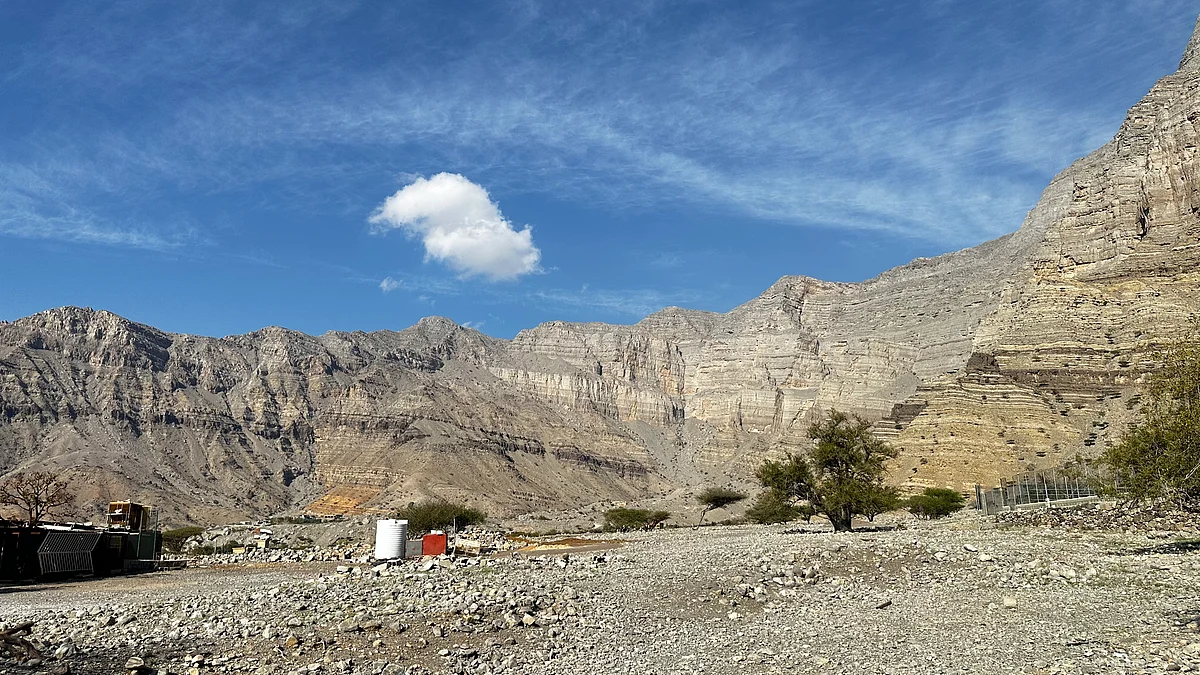
Hidden deep within the rugged mountains of Ras Al Khaimah, Wadi Shaam reveals a way of life few have ever witnessed. In its scattered villages, some of which still exist, survival once depended on shared resources, resilience, and traditions passed down through generations.
Saeed Abdullah Al-Zahouri, 60, who grew up in the area, recalls a childhood shaped by simplicity and endurance, sheep roaming freely, water carefully gathered and stored, and days defined by both hardship and deep communal bonds. Life was tough, yet profoundly rich in heritage.
Stay up to date with the latest news. Follow KT on WhatsApp Channels. Saeed Abdullah Al-Zahouri growing wheat.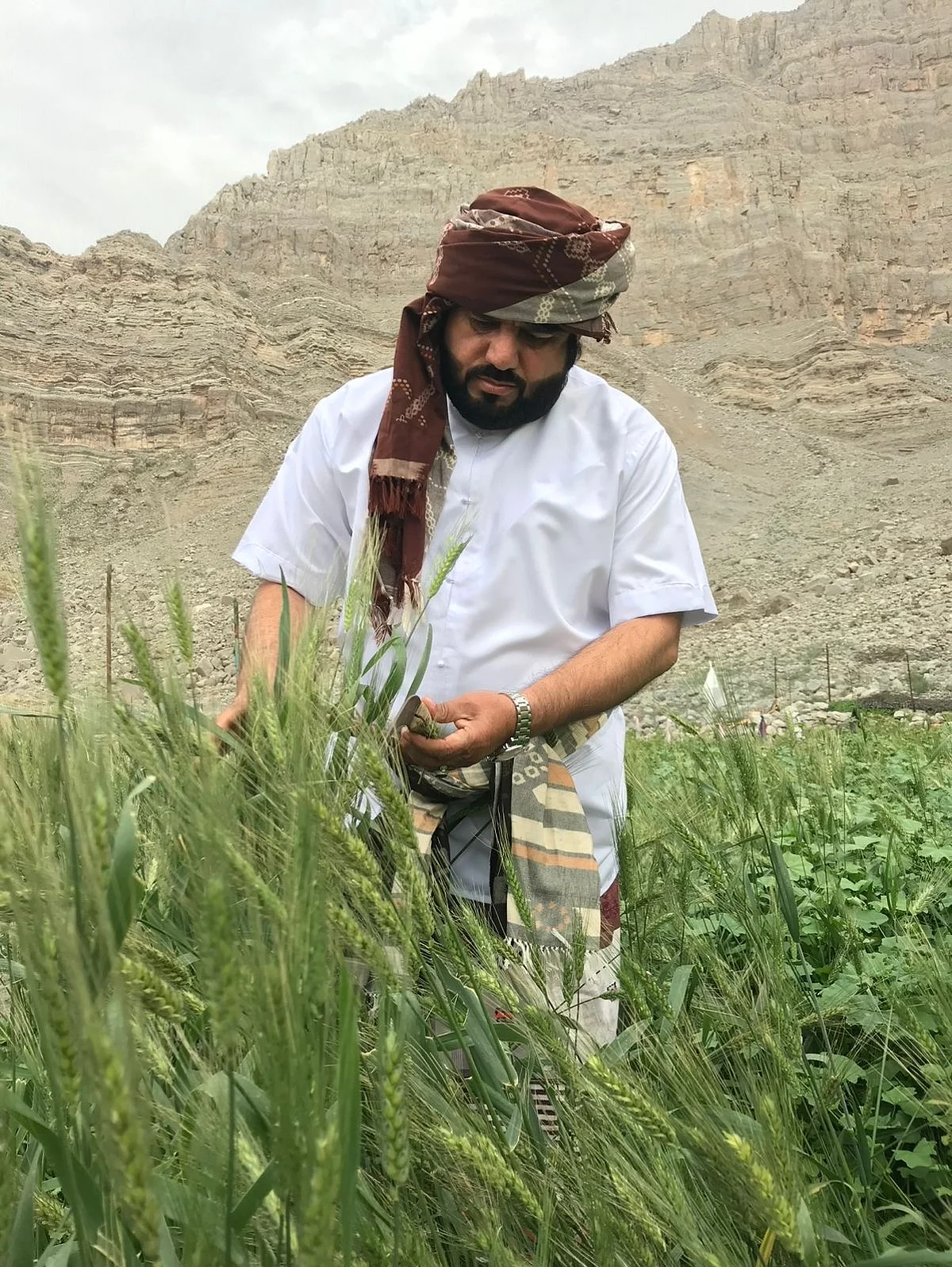
Guiding Khaleej Times through these remote settlements, each with its own story and customs, Al-Zahouri opens a rare window into a world that quietly endures beyond the reach of modern life.
The smaller villages of Wadi Shaam
One of the smallest villages, Ahbabbt area, consisted of no more than ten homes. Life there was modest and self-sufficient, with families growing wheat and raising sheep. Homes were built from local materials such as mountain gravel and wood, and each family relied heavily on the land’s resources to survive.
In the village of Al-Ghashbah, there were about eight houses, some dating back before the 1940s. These traditional homes, called Bayt Al-Qofl, which translates to houses of locks, were built to withstand harsh weather, with walls of gravel and clay and roofs layered with wood and the mountain plant called Al-Sakhbar to prevent clay leaks. Each house served multiple purposes: cooking, sleeping, and storing food. Winters were manageable indoors, while summers were harsh, prompting residents to spend the season elsewhere. Traditional homes, called Bayt Al-Qofl, which translates to houses of locks. Photo: Saeed Abdullah Al-Zahouri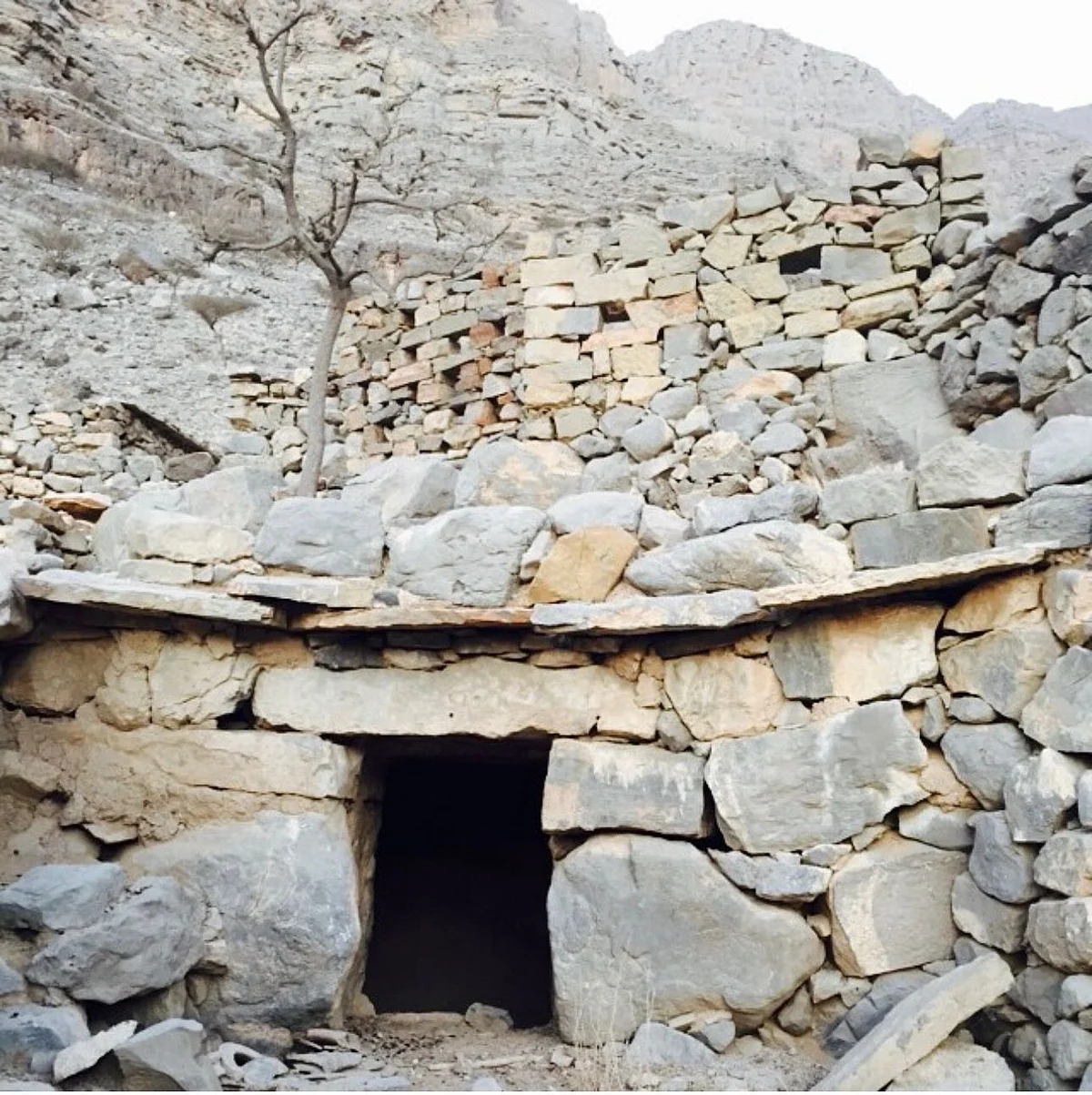
Seasonal life and long journeys
During the summer, families moved to cooler areas, such as Al-Arshan near trees and water sources, and to Al Ghabbam to escape the heat and ensure water availability before the harvest. Saeed’s family also embarked on long journeys to the Emirate of Fujairah, travelling five to seven days on foot, with donkeys and camels carrying supplies such as cooking utensils, sugar, and dates. Nights were spent at designated stops, such as Ghailan, before reaching their destination. On returning, they brought back dates, dried fish such as Al-Oma and Al-Qash’a, and settled back into their homes, a process known locally as Al-Hadar and Al-Tarbia.
Other villages, like Al-Ghubah, contained ten to twenty homes each, with life revolving around wheat fields called Al-Wa’oub. This was how life was: sheep grazing and scattered fruit trees.
Ingenious water management
Before modern construction materials, locals relied on Al-Jass, a specially prepared clay, to build water reservoirs. Clay discs were kneaded, shaped, baked in stone ovens, and ground to cover reservoir walls. Rectangular or square pools were dug, covered with Al-Jass, and connected by channels called Al-Maseelah to collect rainwater. Filtering basins removed dirt before water entered the reservoirs. Despite occasional debris, this system provided safe drinking, cooking, and washing water, sustaining life in the harsh mountains. Al-Jass, a specially prepared clay, to build water reservoirs. Photo: Saeed Abdullah Al-Zahouri 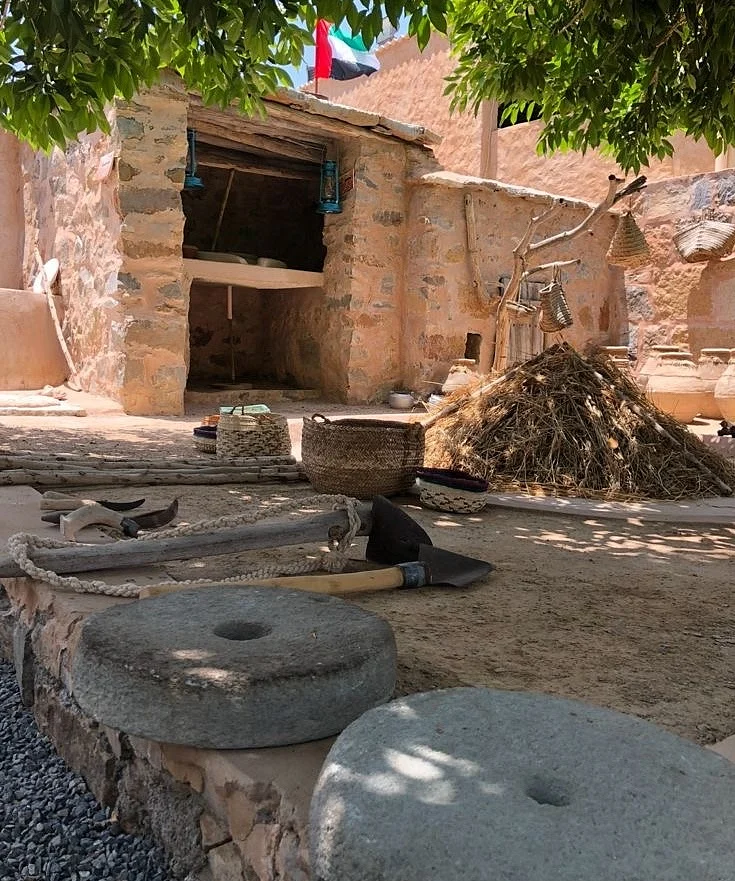
Farming, food, and social bonds
Life depended on open farmland and sheep grazing, with local wells providing water. The early 1970s, particularly 1973 and 1974, were years of abundant greenery and bountiful crops. Locals relied on natural products such as cheese, honey, and traditional bread baked in stone ovens. Each village often specialised in a particular type of honey, ensuring that food was available and the community was self-sufficient. Where the honey is sourced in the moutains. Photo: Saeed Abdullah Al-Zahouri 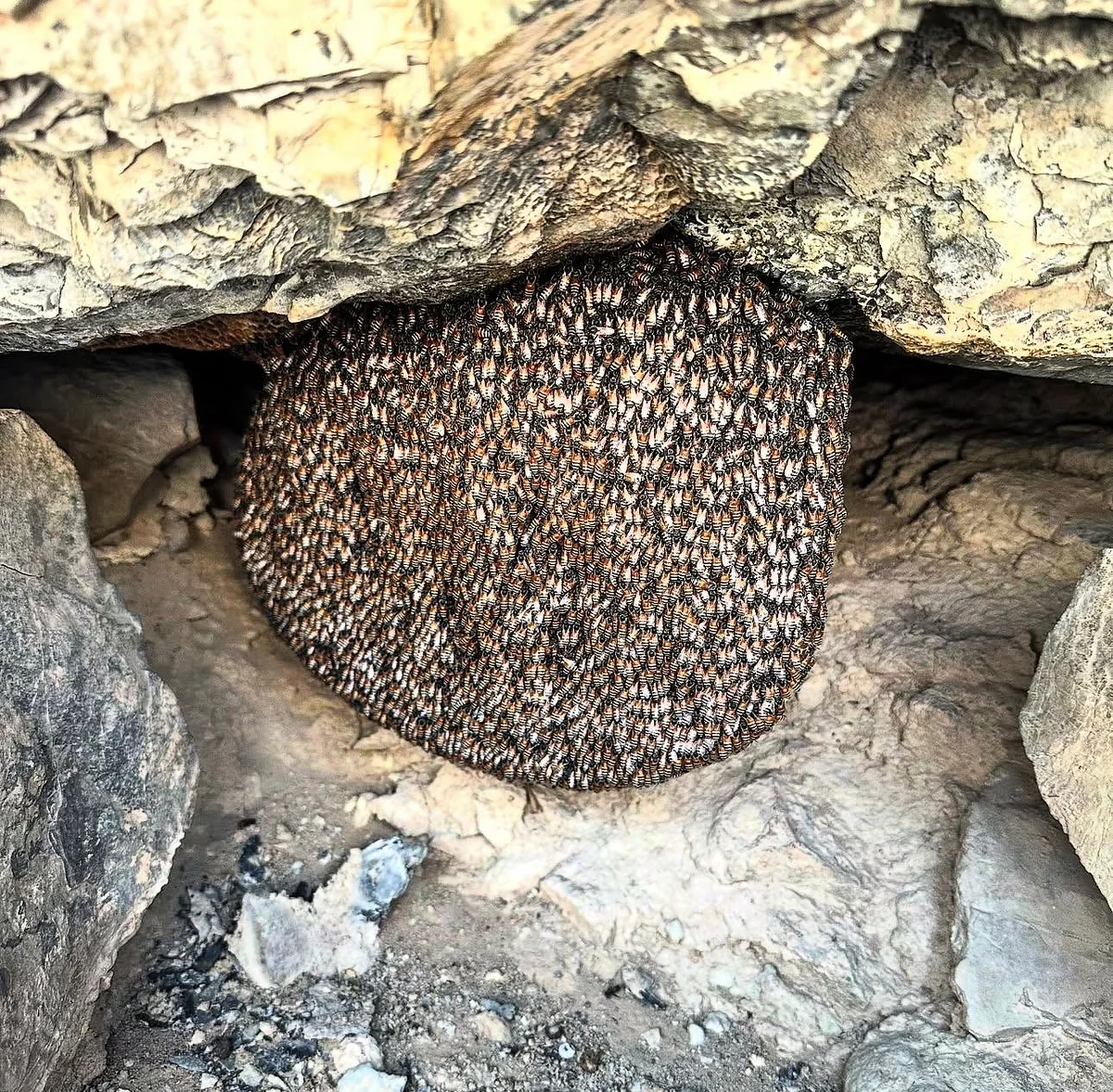
Saeed fondly remembers climbing the mountains with his mother to areas like Al-Hareef and Ramdoot near Jais Mountain, visiting elders in caves, preparing food, baking bread, and sharing stories, an enduring reflection of strong social connections.
With the formation of the UAE, life in the mountains began to change. In the mid-1970s, under the guidance of the late Sheikh Zayed, families were encouraged to move down from the rugged mountain areas into newly planned residential communities. Many relocated to government-provided housing. These modern neighbourhoods, comprising around 60 homes, provided electricity, water, and essential services, creating safer, more comfortable living conditions. This transition marked a turning point, allowing families to improve their quality of life while preserving the close social ties and traditions that had shaped their communities for generations.
Wadi Shaam’s story is a window into a world where life was simple, challenging, and deeply connected to nature and community, a perfect start for our series exploring the villages and heritage of Ras Al Khaimah.
What's Your Reaction?