




































Linux gamers gain a browser built for play
Linux gaming has crossed a symbolic threshold on Steam, with the platform’s hardware and software survey showing the operating system accounting for more than 3% of active users. That growth, driven by improvements in compatibility layers, better drivers and the popularity of handheld PCs, has prompted Opera to roll out native Linux support for its GX browser, a product long marketed directly at gamers on Windows and […] The article Linux gamers gain a browser built for play appeared first on Arabian Post.
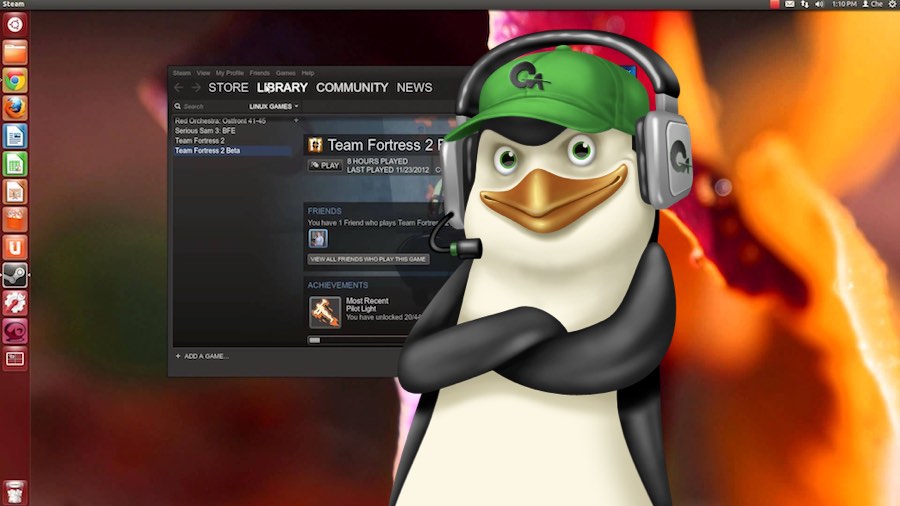
Linux gaming has crossed a symbolic threshold on Steam, with the platform’s hardware and software survey showing the operating system accounting for more than 3% of active users. That growth, driven by improvements in compatibility layers, better drivers and the popularity of handheld PCs, has prompted Opera to roll out native Linux support for its GX browser, a product long marketed directly at gamers on Windows and macOS.
The move marks a notable shift in how major consumer software vendors view Linux as a gaming platform. For years, Linux users relied on general-purpose browsers or community-maintained builds, even as gaming-specific features such as CPU and RAM limiters, integrated messengers and streaming tools became common elsewhere. Opera’s decision to offer a fully supported Linux version of Opera GX signals confidence that the audience is no longer marginal.
The Linux build of Opera GX mirrors the core feature set available on other operating systems. It includes the GX Control panel, which allows users to cap CPU, memory and network usage to prevent background browsing from affecting frame rates during play. The browser also bundles integrations with services such as Twitch and Discord, along with visual customisation options and sound effects aimed at a gaming audience. Importantly for Linux users, Opera says the browser is packaged for mainstream distributions and receives updates in step with other platforms, reducing the lag that has often plagued Linux releases.
Opera brings gaming focus to Linux
The timing reflects broader shifts in the Linux gaming ecosystem. Valve’s Proton compatibility layer, built on Wine, has made thousands of Windows-only titles playable on Linux with minimal user intervention. At the same time, driver support from graphics vendors has improved, and the rise of Arch-based distributions has simplified access to bleeding-edge kernels and Mesa graphics stacks. The Steam Deck, which runs a customised Linux system, has further normalised Linux as a consumer gaming environment rather than a niche for enthusiasts.
Market data from Steam’s monthly surveys shows Linux usage fluctuating but trending upward over the past two years, crossing the 3% mark amid growing adoption of handheld PCs and renewed interest in open platforms. While that share remains small compared with Windows, it represents millions of users globally and a demographic that tends to be technically literate, vocal and influential in online communities.
Opera executives have framed the Linux release as a response to sustained demand rather than an experiment. Company statements indicate that internal telemetry and user feedback from forums and social platforms showed significant interest from Linux gamers who were already using Opera GX through unofficial methods or dual-booting systems. By committing to native support, Opera aims to consolidate that audience and reduce friction that could push users toward rival browsers.
The competitive landscape adds context to the decision. Browsers such as Firefox and Chromium-based alternatives already offer Linux builds, but they are not tailored specifically to gaming workflows. While power users can replicate some features through extensions and system tools, Opera GX positions itself as an out-of-the-box solution. That differentiation may resonate as gaming setups become more complex, with players juggling voice chat, streaming dashboards, wikis and performance overlays alongside demanding titles.
Security and stability remain key concerns for Linux users, particularly those wary of proprietary software. Opera has sought to address this by emphasising sandboxing, regular security updates and alignment with upstream Chromium patches. Nonetheless, scepticism persists in parts of the Linux community, where debates over closed-source components and data collection are common. How effectively Opera balances transparency with its commercial model may influence adoption beyond early enthusiasts.
Industry analysts view the launch as part of a wider recalibration by software vendors. As Linux-based systems gain visibility through gaming hardware and cloud deployments, ignoring the platform carries reputational risks. Supporting Linux can also yield indirect benefits, such as goodwill among developers and power users who influence purchasing decisions in other areas.
The article Linux gamers gain a browser built for play appeared first on Arabian Post.
What's Your Reaction?