






























Look: 'End-of-Rajab crescent' photographed in Abu Dhabi
The crescent marking the end of the Islamic month of Rajab (1447 AH) was photographed earlier today, in Abu Dhabi, by the Khatm Astronomical Observatory, part of the International Astronomy Center.The image was captured on Sunday, January 18, at 11.00am and marked the 29th day of Rajab in many countries. At the time of observation, the moon was 7.3 degrees away from the sun, with an age of -13 hours and 5 minutes. The observatory team included Osama Ghannam, Anas Muhammad, Khalafan Al-Naimi, and Muhammad Awda.In a recent live lecture, Sheikh Nasser Al Hammadi from Sharjah Islamic Affairs explained that Rajab is one of the four sacred months in the Islamic Hijri calendar, during which wrongdoing carries greater sin and righteous deeds earn greater reward.Stay up to date with the latest news. Follow KT on WhatsApp Channels.At the end of Rajab, Muslims worldwide eagerly await the sighting of the Shaban crescent, the month preceding the holy month of Ramadan. It is also a preparatory month for Ramadan, a time for Muslims to increase voluntary worship, reflection, and charity.January 20, first day ShabanAccording to Engineer Muhammad Shawkat Odeh, Director of the International Astronomy Center, most countries are expected to start Shaban on Tuesday, January 20, though in some locations it may begin on Wednesday, January 21.As per astronomical calculations, the crescent will not be visible in many Islamic countries on this day, as the moon will set before sunset. Consequently, these countries will complete Rajab with 30 days, making Tuesday, January 20, the first day of Shaban.In countries including Pakistan, Iran, Bangladesh, Oman, Jordan, Syria, Libya, Morocco, Mauritania, and Albania, the 29th of Rajab will fall on Monday, January 19. In these regions, the crescent may be visible with a telescope, but naked-eye sighting will be difficult. Telescope sighting will be easier in central, western, and southern Africa, and parts of the Americas, while naked-eye visibility is expected only in central regions of the Americas.If the crescent is sighted today, that means Shaban will start on Monday, January 19. If not spotted, this means Monday, January 19, will be Rajab 30, and the next Islamic month will officially begin on Tuesday, January 20.Islamic months last either 29 or 30 days, depending on the lunar cycle.Rajab 1447 AH crescent on December 20: Will it be visible in UAE, other Islamic countries?When is Ramadan 2026? Predicted start date of holy month, 3-day Eid Al Fitr break revealed
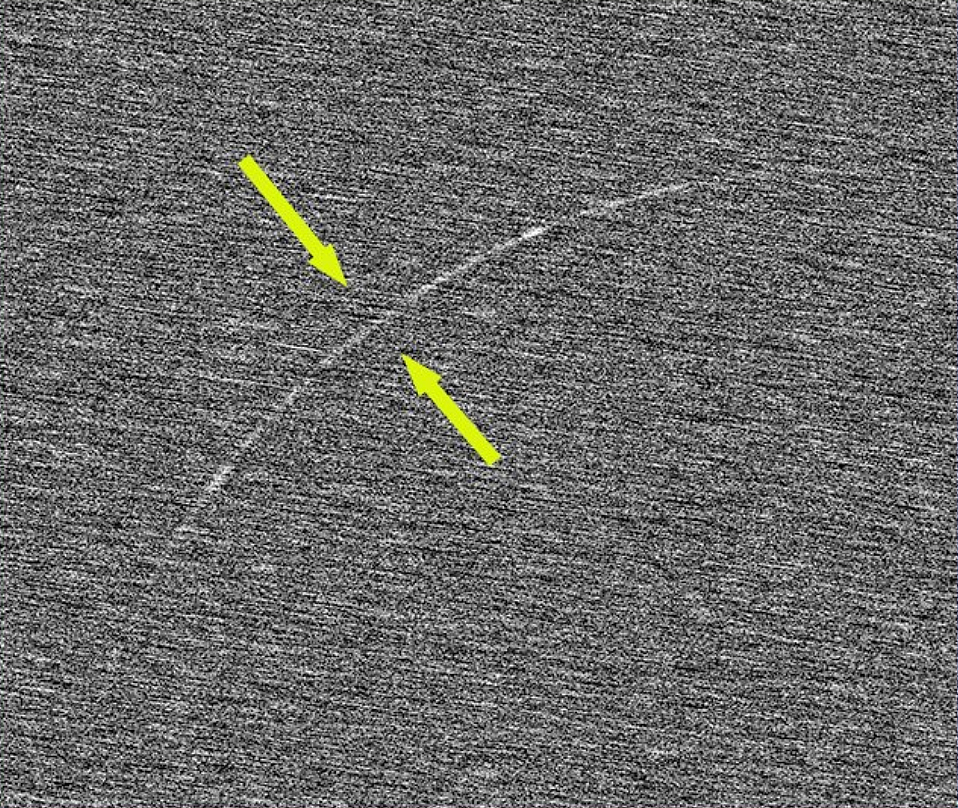
The crescent marking the end of the Islamic month of Rajab (1447 AH) was photographed earlier today, in Abu Dhabi, by the Khatm Astronomical Observatory, part of the International Astronomy Center.
The image was captured on Sunday, January 18, at 11.00am and marked the 29th day of Rajab in many countries. At the time of observation, the moon was 7.3 degrees away from the sun, with an age of -13 hours and 5 minutes. The observatory team included Osama Ghannam, Anas Muhammad, Khalafan Al-Naimi, and Muhammad Awda.
In a recent live lecture, Sheikh Nasser Al Hammadi from Sharjah Islamic Affairs explained that Rajab is one of the four sacred months in the Islamic Hijri calendar, during which wrongdoing carries greater sin and righteous deeds earn greater reward.
Stay up to date with the latest news. Follow KT on WhatsApp Channels.
At the end of Rajab, Muslims worldwide eagerly await the sighting of the Shaban crescent, the month preceding the holy month of Ramadan. It is also a preparatory month for Ramadan, a time for Muslims to increase voluntary worship, reflection, and charity.
January 20, first day Shaban
According to Engineer Muhammad Shawkat Odeh, Director of the International Astronomy Center, most countries are expected to start Shaban on Tuesday, January 20, though in some locations it may begin on Wednesday, January 21.
As per astronomical calculations, the crescent will not be visible in many Islamic countries on this day, as the moon will set before sunset. Consequently, these countries will complete Rajab with 30 days, making Tuesday, January 20, the first day of Shaban.
In countries including Pakistan, Iran, Bangladesh, Oman, Jordan, Syria, Libya, Morocco, Mauritania, and Albania, the 29th of Rajab will fall on Monday, January 19. In these regions, the crescent may be visible with a telescope, but naked-eye sighting will be difficult. Telescope sighting will be easier in central, western, and southern Africa, and parts of the Americas, while naked-eye visibility is expected only in central regions of the Americas.
If the crescent is sighted today, that means Shaban will start on Monday, January 19. If not spotted, this means Monday, January 19, will be Rajab 30, and the next Islamic month will officially begin on Tuesday, January 20.
Islamic months last either 29 or 30 days, depending on the lunar cycle.
What's Your Reaction?