











Look: Sikka 2026 converts Dubai's heritage houses into spaces of deliberate discomfort
In one of the standout 3D installations, a photograph of Dubai's sky is transformed into cloud-like forms printed in water using plant-based milk and natural materials
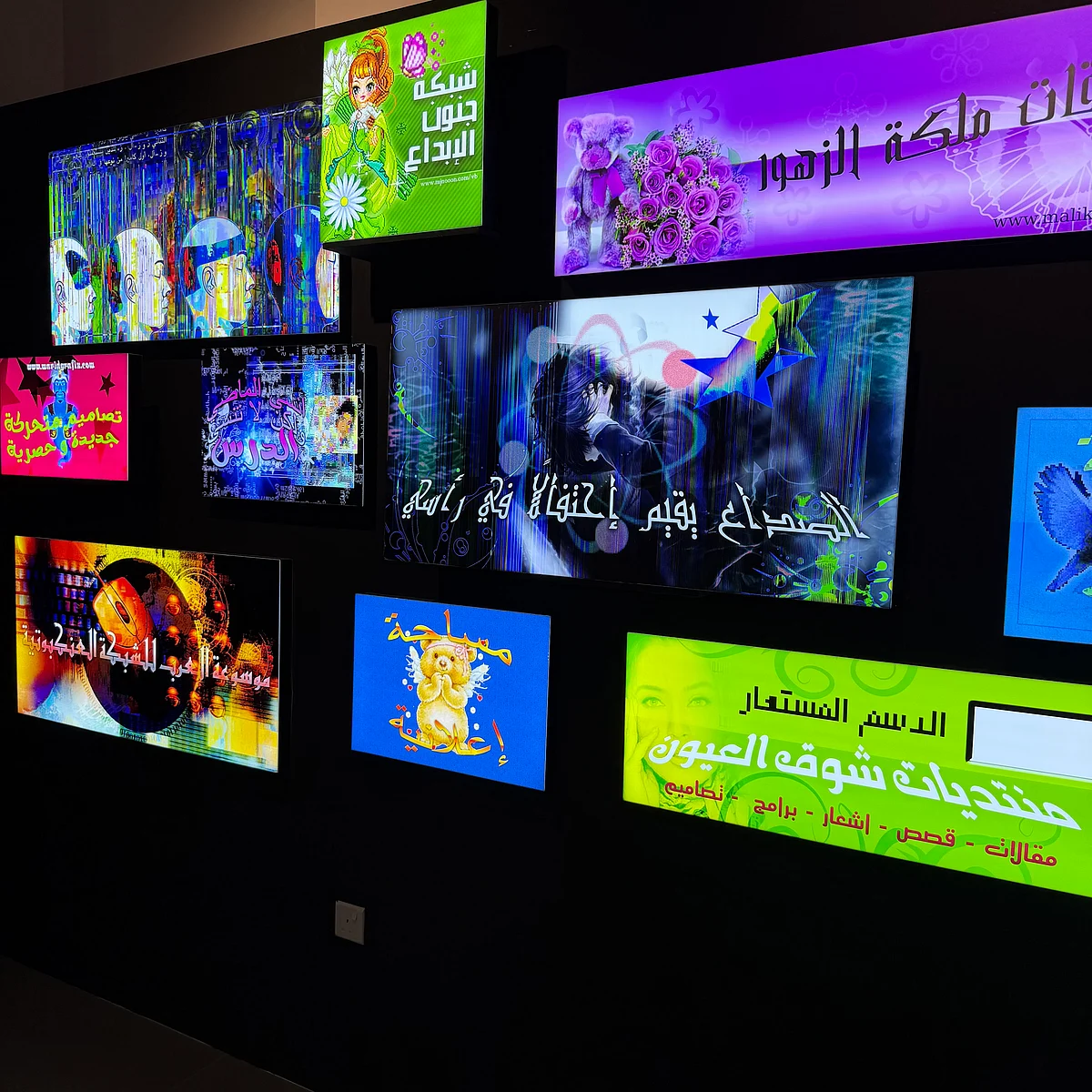
Set against the historic lanes of Al Shindagha, the 14th edition of the Sikka Art & Design Festival invites audiences on an immersive artistic journey that bridges heritage and contemporary expression. Under the theme "Imagining Dubai: Identities of the Future," the festival brings together exhibitions, workshops, performances, and discussions that reflect the city's evolving cultural narrative.
Moving through the narrow alleys of Al Shindagha, Sikka Art & Design Festival 2026 unfolds less like a traditional exhibition and more like a series of lived encounters. Organised by Dubai Culture and Arts Authority (Dubai Culture) under the patronage of Sheikha Latifa bint Mohammed bin Rashid Al Maktoum, Chairperson of Dubai Culture, the festival's 14th edition transforms heritage houses into spaces of experimentation, reflection, and, at times, deliberate discomfort.
This year, more than 450 artists and creatives present nearly 250 artworks across 16 curated houses, each offering a distinct narrative within Dubai's broader creative landscape and the global conversations shaping contemporary art today.
Stay up to date with the latest news. Follow KT on WhatsApp Channels.
Gulf House: One work, many rooms and a growing headache
Unlike other houses that showcase multiple artists and styles, the Gulf House takes a radically focused approach. Curated by Yara Ayoub, the space revolves entirely around a single work titled "Headache."
Rather than offering moments of calm or contemplation, the experience is intentionally intense. Each room presents a different sensory interpretation of the same condition, using sound, lighting, and repetitive visual elements to recreate the mounting pressure of a headache. As visitors move through the house, the sensation escalates rather than fades.
"The work is not meant to comfort," Ayoub explains. "'Headache' reflects a shared mental state — the pressure, noise, and exhaustion that have become part of everyday life. It's about making people feel that condition, not just observe it."
Every room contributes to the same narrative, reinforcing the idea that the headache is not a passing moment, but a persistent, modern condition. The Gulf House does not offer relief, it demands engagement.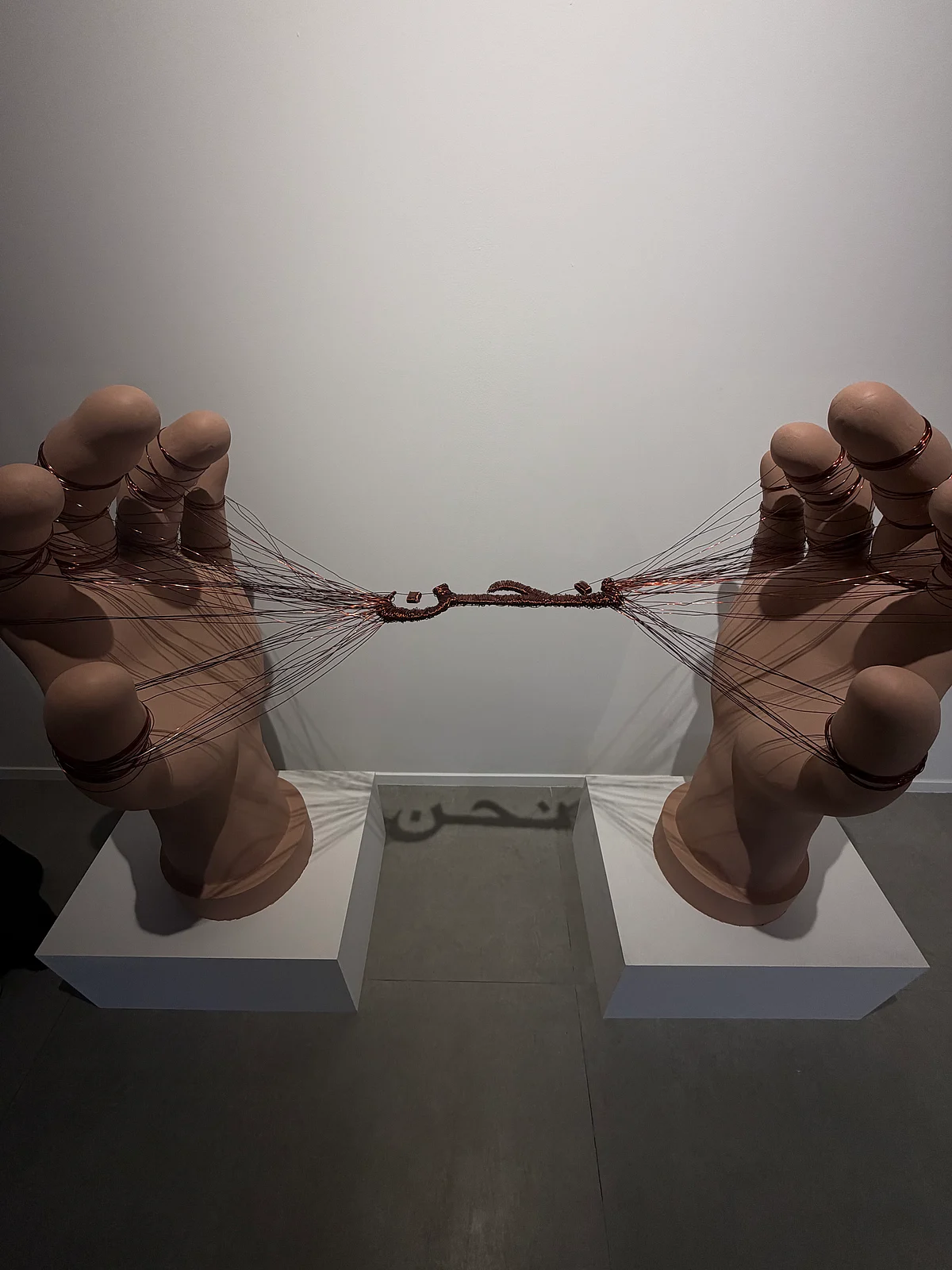
International House Japan: Beauty in imperfection
Making its Sikka debut this year is the International House, spotlighting Japan as its first featured country. Curated by Kotaro Watanabe, Curator of the International House, Context Designer at Takram, and Visiting Professor at Tohoku University of Art & Design, the house draws on Japanese aesthetics rooted in impermanence and imperfection.
Inspired by the philosophy of wabi-sabi and the writings of Okakura Kakuzo, the space embraces incompleteness. Rooms appear intentionally unfinished, encouraging visitors to fill in the gaps with imagination. Artworks drift between presence and absence, technology and nature, memory and loss.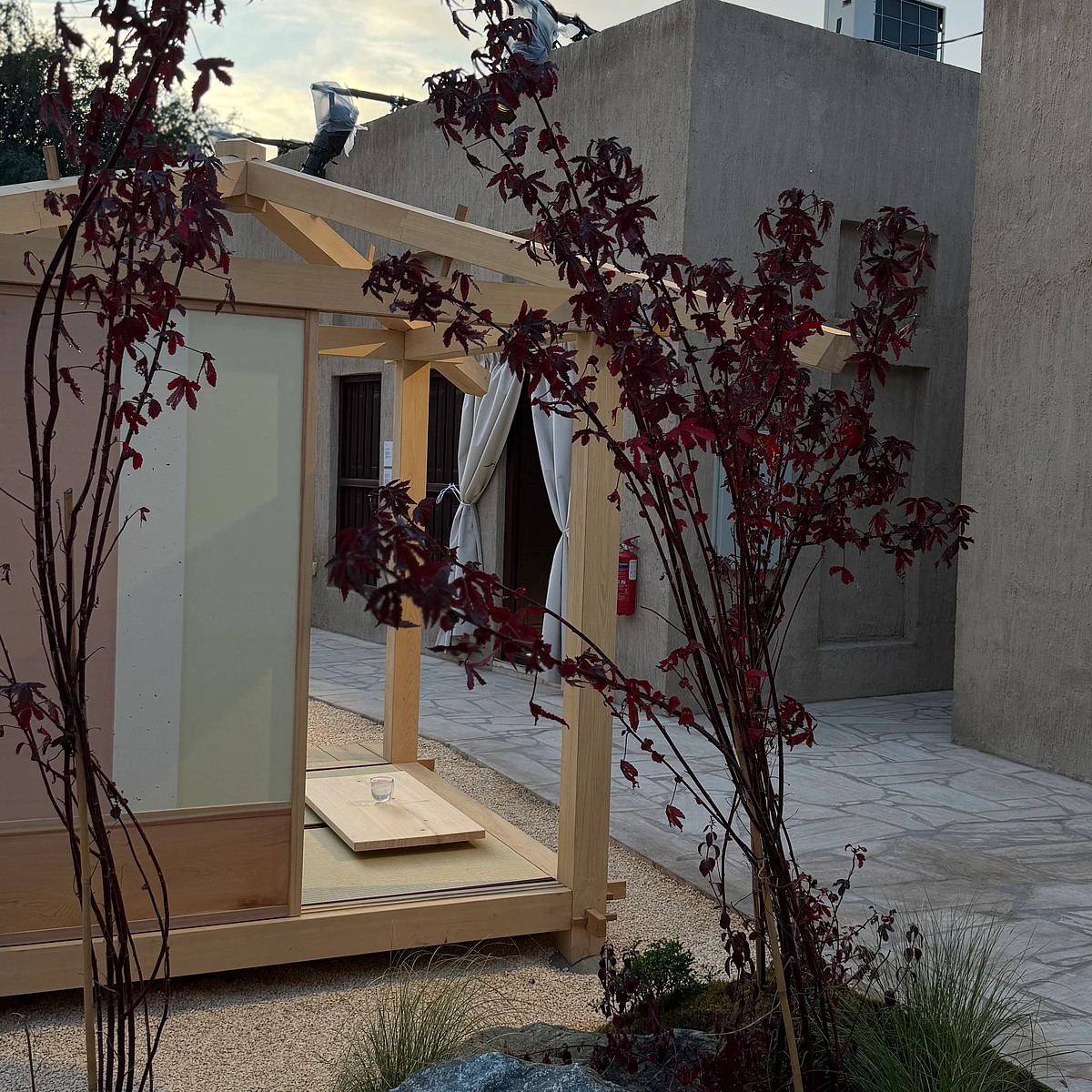
"We are not presenting obvious symbols of Japan," Watanabe says. "What we offer is a faint presence, something that exists between yesterday and today, between the physical and the imagined. Imperfection leaves space for the viewer to enter."
One of the standout installations recreates "yesterday's sky" through 3D printing. A photograph of Dubai's sky is transformed into cloud-like forms printed in water using plant-based milk and natural materials. The delicate shapes dissolve after a few hours, leaving behind drinkable water, a poetic reminder of memory's fleeting nature. 3D printing installation at Japan House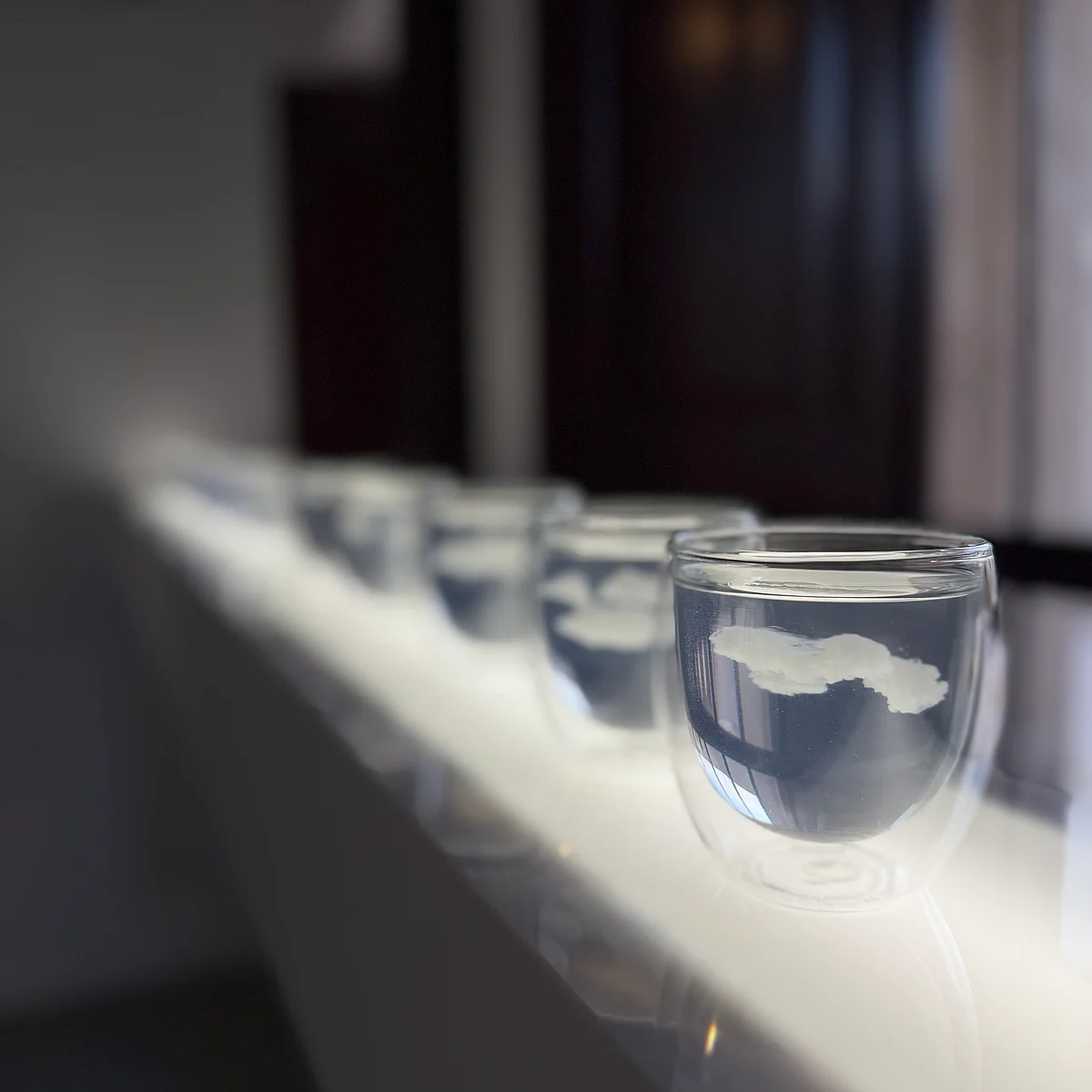
Ceramics House: When material holds memory
At the Ceramics House, clay becomes a vessel for storytelling, tradition, and experimentation. A work of Kamal Al Zubaidi, Curator of the Ceramics House, the space brings together ceramic works by Emirati and resident artists, alongside contributions from Al Jalila Cultural Centre for Children.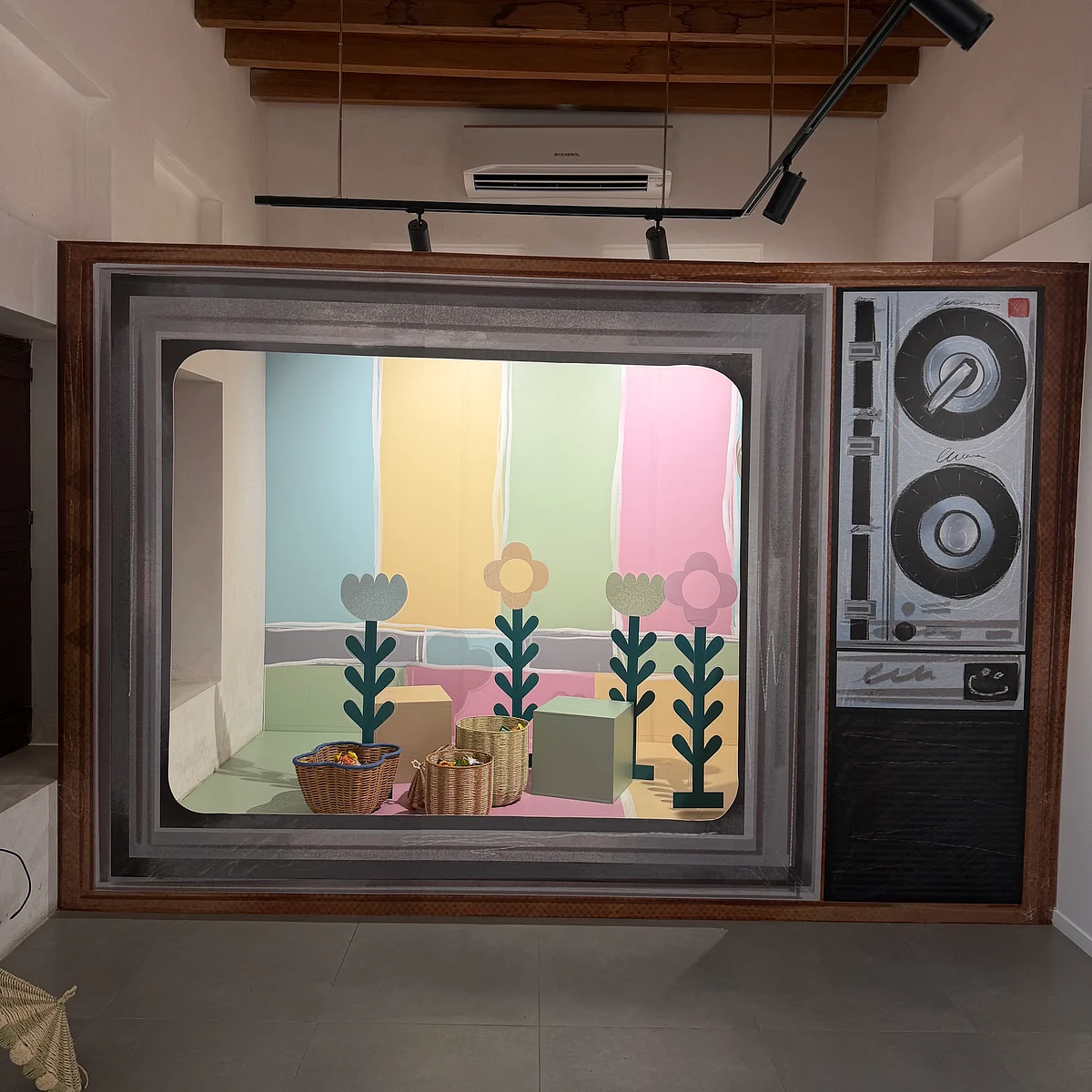
The house highlights both professional practices and early artistic experiences, including works by children enrolled in the "Young Emirati Potters" programme. Sculptural pieces, functional forms, and experimental techniques coexist, reflecting ceramics' versatility as both craft and contemporary art.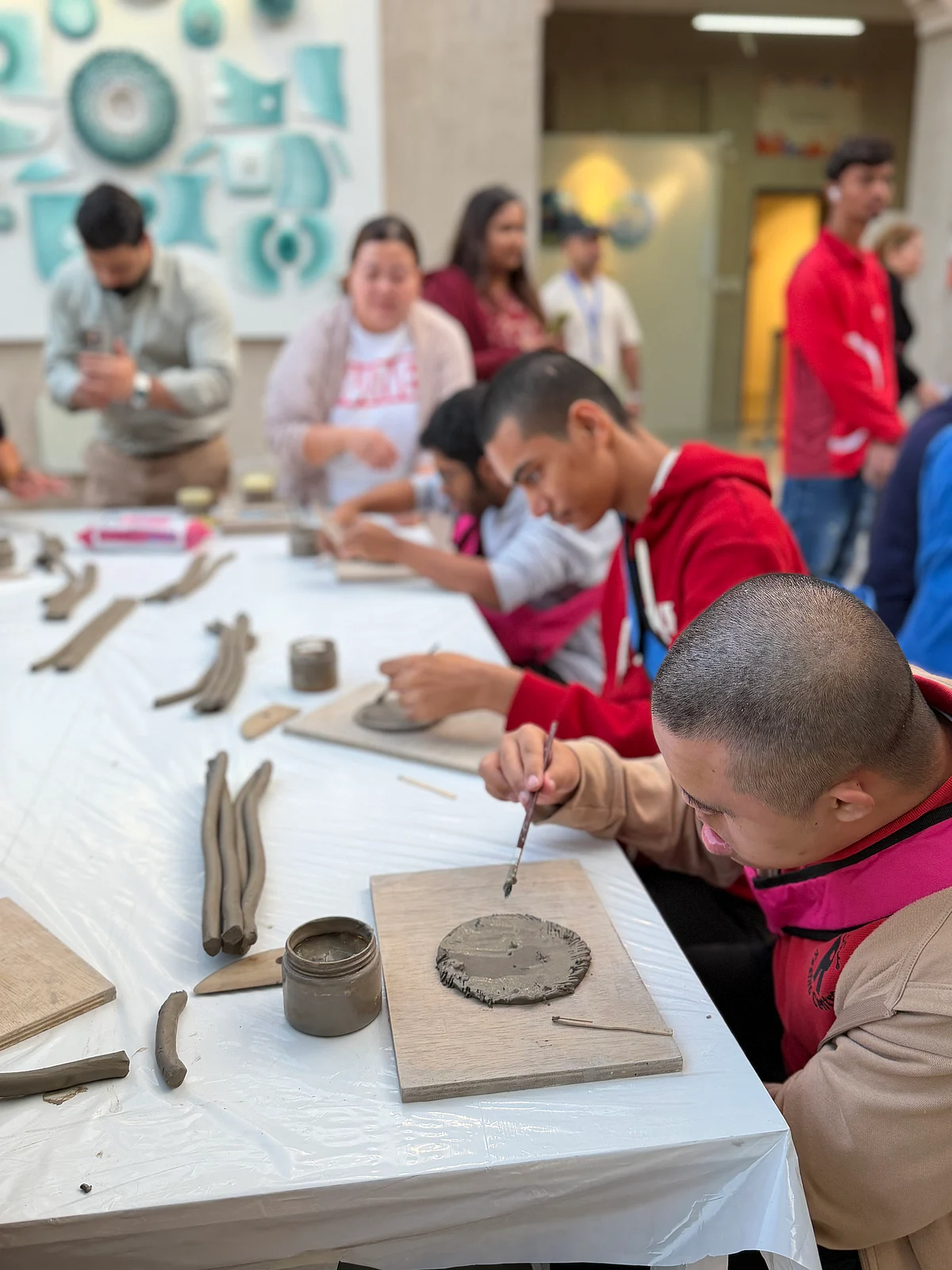
The space also hosts a dedicated Ceramics Market, featuring independent studios, local ceramic artists, and works created by people of determination reinforcing the inclusive, community-driven spirit of the festival.
What's Your Reaction?