























Netanyahu plans Washington talks on Iran nuclear diplomacy
Israeli Prime Minister Benjamin Netanyahu has confirmed plans to travel to Washington next week for face-to-face discussions with Donald Trump, placing the evolving US-Iran diplomatic track at the centre of the agenda as pressure mounts over Tehran’s nuclear activities. Netanyahu said the meeting, scheduled for 11 February, would focus on the indirect negotiations now under way between Washington and Tehran, which the US administration has framed as […] The article Netanyahu plans Washington talks on Iran nuclear diplomacy appeared first on Arabian Post.
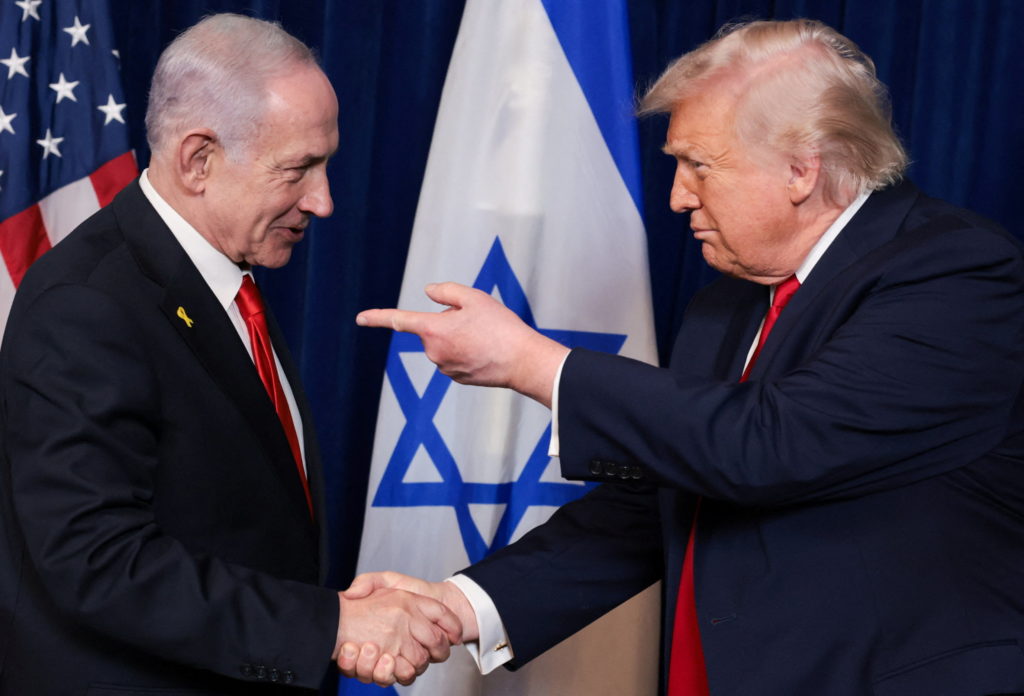
Israeli Prime Minister Benjamin Netanyahu has confirmed plans to travel to Washington next week for face-to-face discussions with Donald Trump, placing the evolving US-Iran diplomatic track at the centre of the agenda as pressure mounts over Tehran’s nuclear activities.
Netanyahu said the meeting, scheduled for 11 February, would focus on the indirect negotiations now under way between Washington and Tehran, which the US administration has framed as an effort to place limits on Iran’s nuclear programme. The Israeli leader indicated that he intended to seek clarity on the scope of the talks and the safeguards being pursued by the United States, amid longstanding concerns in Israel that any partial agreement could leave Iran with significant enrichment capability intact.
The White House has acknowledged that indirect contacts have begun between Trump’s envoys and Iran’s foreign minister, with Oman acting as the intermediary. Officials in Washington have characterised the discussions as exploratory, aimed at testing whether Tehran is prepared to accept verifiable constraints on uranium enrichment and enhanced international monitoring in exchange for limited sanctions relief. The talks mark the first structured diplomatic engagement between the two sides since Trump returned to office.
Israel has not been a party to the negotiations but has sought to influence the process through close coordination with Washington. Netanyahu has repeatedly argued that Iran’s nuclear ambitions represent an existential threat to Israel and that any agreement must permanently prevent Tehran from acquiring a nuclear weapon, rather than delaying its progress. His decision to raise the issue directly with Trump reflects concern within Israeli security circles that indirect diplomacy could drift towards interim understandings without addressing ballistic missile development or regional proxy activity.
Iran maintains that its nuclear programme is for civilian purposes and that it remains committed to its obligations under international law. Tehran has steadily expanded enrichment levels and stockpiles since the collapse of the 2015 nuclear agreement, formally known as the Joint Comprehensive Plan of Action, after the United States withdrew during Trump’s first term. Western governments say those steps have reduced the time Iran would need to produce fissile material for a weapon, a claim Iranian officials reject.
Oman’s role as host for the indirect talks is consistent with its history as a discreet diplomatic channel between Tehran and Washington. Muscat has previously facilitated exchanges leading to prisoner swaps and limited understandings during periods of heightened tension. Officials familiar with the current discussions say the format allows both sides to communicate positions without the political costs of direct engagement, though it also limits the speed at which progress can be made.
Netanyahu’s visit comes against a backdrop of shifting regional dynamics. The conflict in Gaza, ongoing cross-border tensions involving Israel and Iran-aligned groups, and uncertainty over US policy in the Middle East have heightened Israeli sensitivity to any diplomatic moves involving Tehran. Senior Israeli officials have stressed that Jerusalem reserves the right to act independently to defend itself, a position that has at times caused friction with allies seeking to prioritise de-escalation.
In Washington, the administration has sought to balance reassurance to Israel with an emphasis on preventing nuclear proliferation through diplomacy. US officials have said the objective is not a return to the 2015 agreement in its original form but a narrower arrangement focused on halting the most sensitive nuclear activities. They argue that diplomacy, even if limited, is preferable to unchecked escalation or military confrontation.
Analysts note that Netanyahu’s direct engagement with Trump could shape the tone of the talks by reinforcing Israel’s red lines and pressing for stricter verification measures. At the same time, the US president faces domestic and international pressure to show that engagement with Iran can produce tangible results without undermining regional allies. How those competing priorities are reconciled may determine whether the current channel develops into a more formal negotiation.
The article Netanyahu plans Washington talks on Iran nuclear diplomacy appeared first on Arabian Post.
What's Your Reaction?