




























Nipah virus spread: Should we worry yet? UAE doctors explain
Khaleej Times spoke to doctors in the UAE to understand the real risk, how the virus spreads, and what people should watch out for
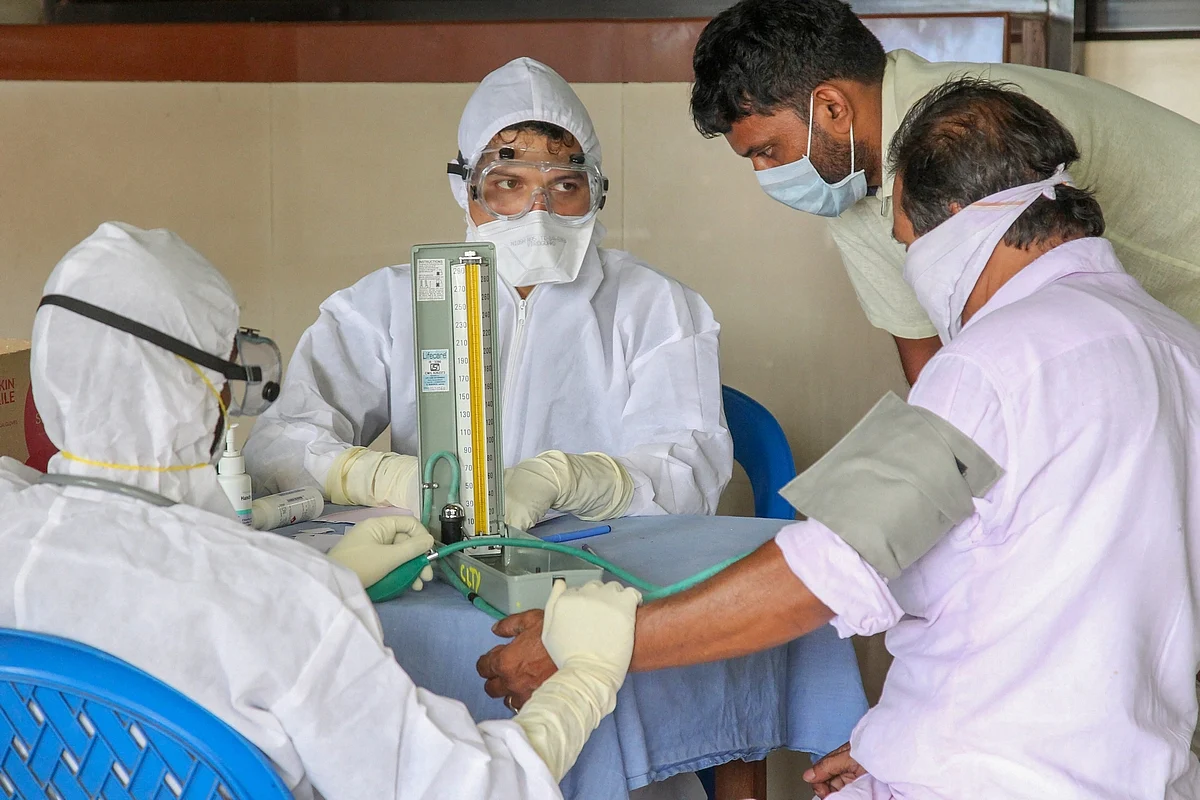
Recent reports of Nipah virus cases in India have raised questions among residents: Is this something to worry about? Could it spread further?
Nipah is not a new virus. It has appeared in parts of Asia before and is known to be rare but serious. While it can cause severe illness, doctors say that it does not spread easily like Covid-19 or flu.
Khaleej Times spoke to doctors in the UAE to understand the real risk, how the virus spreads, and what people should watch out for. Their message is consistent, that there is no need for panic, but awareness is important.
Stay up to date with the latest news. Follow KT on WhatsApp Channels.
'Awareness without alarm'
When asked whether people in the UAE should be worried right now, Dr Vinod Tahilramani, specialist at Medcare Medical Centre, Motor City, said, "In practical terms, no."
“Nipah is a rare infection and, even when cases do appear, they are typically limited and localised rather than widespread like influenza or Covid,” he said. “For most travellers and residents in the UAE, the overall risk remains low unless there has been close exposure to an infected individual or time spent in a high-risk setting such as a healthcare facility during an outbreak.”
Doctors stress that while Nipah is taken seriously because of its potential severity, it does not spread easily in the general community. “The key message is awareness without alarm,” said Dr Tahilramani. Dr Vinod Tahilramani
How Nipah spreads
Unlike Covid-19 or seasonal flu, Nipah does not spread efficiently through casual contact.
“Nipah does not spread as easily as Covid or influenza,” said Dr Tahilramani. “Those viruses transmit efficiently in community settings, which is why they cause large waves of infection. Nipah transmission, by contrast, usually requires close contact with infected individuals or contaminated environments.”
Person-to-person spread typically occurs only with close and prolonged contact, particularly exposure to bodily fluids of an infected person. Healthcare settings without strict infection control have historically been higher-risk environments.
“Casual contact in everyday community settings is not considered a common route of spread,” he added.
Based on past patterns, doctors said that Nipah has remained outbreak-limited rather than pandemic-prone.
Symptoms people should not ignore
One reason Nipah can be dangerous is that early symptoms can resemble a routine viral illness, making early recognition difficult.
“Early symptoms often include fever, headache, muscle aches, fatigue and sore throat,” said Dr Deepak Dube, specialist internal medicine at International Modern Hospital Dubai. “What distinguishes Nipah is how quickly neurological symptoms can follow.”
Within days, some patients may develop drowsiness, confusion, disorientation, altered consciousness or seizures. “This involvement of the brain is a key warning sign,” said Dr Dube. Dr Deepak Dube
Doctors advise seeking medical help immediately if fever is accompanied by confusion, severe headache, persistent vomiting, seizures, fainting, or rapid worsening of symptoms over 24 to 48 hours.
“A simple rule to remember is — fever followed by confusion or seizures is a medical emergency,” said Dr Tahilramani.
Why Nipah is so serious
Nipah has a higher fatality rate than many common viral infections because it directly attacks the brain, can trigger severe inflammation, and may cause respiratory failure.
“There is no targeted antiviral cure,” said Dr Dube, adding that outcomes depend heavily on how early supportive care begins. “Delayed diagnosis significantly worsens prognosis.”
Currently, there is no approved vaccine or specific treatment for Nipah. Care focuses on managing breathing, controlling seizures, reducing brain swelling and treating complications.
“Early diagnosis can be life-saving. Delays of even a day or two can dramatically change outcomes,” said Dr Dube.
How prepared is the UAE?
Doctors said that the UAE healthcare system is well prepared to detect and manage rare but serious infections such as Nipah.
“The UAE has strong surveillance systems, rapid referral pathways, and close coordination between hospitals and public health authorities,” said Dr Ram Shukla, specialist physician in infectious diseases.
“Doctors are trained to recognise unusual symptom patterns, especially in patients with relevant travel history. High-risk cases can be quickly flagged, isolated and investigated,” he said.
Hospitals across the country have strict isolation protocols, trained staff and access to specialised laboratories. Dr Ram Shukla
“Even though Nipah is rare, systems are already in place to safely isolate patients, collect samples and prevent any potential spread while confirmation is underway,” Dr Shukla added.
What people should and shouldn't do
Doctors warn that panic and misinformation can do more harm than good. “One common misconception is that Nipah spreads easily like flu or Covid-19, which is not true,” said Dr Shukla said. “Social media rumours often exaggerate threats and fuel fear.”
People should avoid self-medicating, especially with antibiotics or antivirals, and should not ignore symptoms if they feel unwell after travel. There is also no need to avoid public places or healthy individuals.
“Good hygiene, honest disclosure of travel history, and timely medical consultation are far more effective than fear-driven behaviour,” said Dr Shukla.
'Most people will never encounter Nipah'
Doctors said that most people will never encounter Nipah, and for UAE residents, the current risk remains low.
“Nipah is rare but serious,” said Dr Dube. “Recognising warning signs, avoiding known exposure risks and seeking medical care early can save lives."
What's Your Reaction?