
















Not just rain: How UAE researchers are spotting hail, snow, even insects inside a storm
Understanding storms better means "not just seeding clouds — but knowing, with confidence, whether we made it rain"
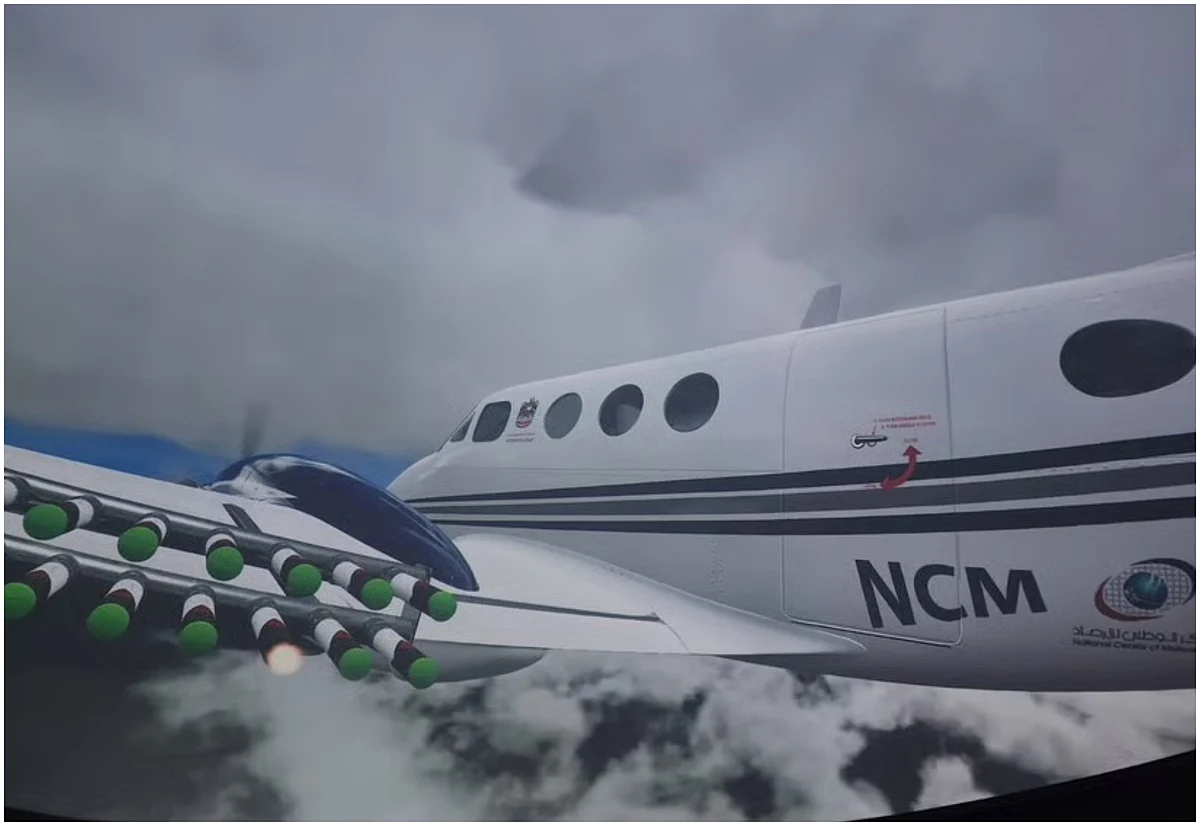
The decision to seed a cloud — and potentially bring rain to parched land — must often be made before the storm even appears on radar. “That’s always tricky in weather, in cloud seeding,” explains Dr Dixon Michael, a leading atmospheric scientist working with the UAE's Rain Enhancement Programme.
For the unversed, storm clouds, especially those rich in moisture and strong upward air currents, contain tiny water droplets that remain liquid even at very low temperatures. Seeding agents help these droplets grow into larger raindrops or ice particles, increasing the chances of rainfall.
Notably, Dr Michael's research aims to solve one of the biggest challenges in weather modification: understanding what is happening ‘inside’ a storm — and whether cloud seeding is actually making a difference.
Stay up to date with the latest news. Follow KT on WhatsApp Channels.
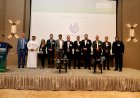
Speaking to Khaleej Times during the announcement of the sixth cycle awardees of the UAE Research Program for Rain Enhancement Science (UAEREP), he added, “For seed ability, it’s more difficult. Often the storm you’re seeding doesn’t show up on radar until after you start seeding it.”
While pilots rely on experience and forecasts, science is now stepping in to make those decisions more precise — and more transparent.
Traditionally, cloud seeding evaluation relied on radar reflectivity (shows how much water or ice is in the clouds) — essentially how strong or large a storm appears. But reflectivity alone cannot reveal the storm’s internal structure. “It doesn’t tell you a lot about what’s going on inside the storm,” Dr Michael notes. “It doesn’t give you clues about the microphysics.”
That is where the UAE’s investment in dual-polarisation radar (this allows experts to see the shape, size, and type of particles in clouds) and artificial intelligence comes in.
Spotting hail, snow, ice... even insects in a storm
Dual-polarisation radar doesn't just show storm size — it identifies what’s inside: rain, hail, ice, snow, or even insects. “Instead of just reflectivity, we can now see what type of hydrometeor (particles of water or ice in the air, like raindrops, snowflakes, or hailstones) exists in the storm,” he says. “That really expands the information available.”
Dr Michael’s project upgrades the long-standing LROSE/TITAN storm tracking system — used worldwide for over 30 years — into a modern, AI-powered platform tailored to the UAE’s operational needs. “We’re effectively upgrading legacy systems into the modern era,” he says, combining advanced radar data with AI and a new dashboard for real-time seeding operations.
This upgrade also builds local expertise at the National Center of Meteorology (NCM), creating what Dr Michael calls “a pipeline of qualified personnel who can operate this system into the future.”
Making every drop count
But technology alone is not enough. A major challenge is proving whether cloud seeding works — and how much it contributes to rainfall. In earlier decades, scientists ran randomized experiments, seeding some storms and leaving others untouched. “You’d flip a coin and seed half the storms,” Dr Michael recalls. “Then you could compare them.”
That approach is no longer feasible. “These are operational projects, not research projects,” he says. “The UAE has an operational project.” In other words, the goal is rainfall — not experiments — so scientists must now rely on data analysis rather than controlled trials.
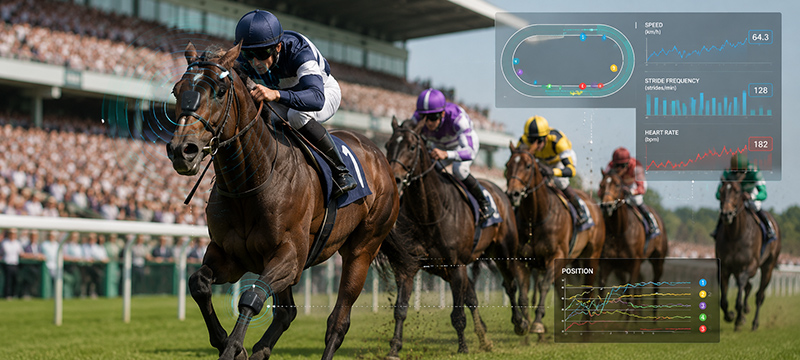
Here, AI plays a crucial role. “We’re hoping that dual-polarisation plus AI helps figure out if we’re having an effect on storms,” he explains, “without the advantage of randomization.” AI can explore massive datasets and detect patterns humans cannot — whether a storm lasted longer, grew larger, or produced more rain after seeding.
Dr Michael says AI will be used in three key ways: correcting forecasting errors, anticipating when storms are most responsive to seeding, and analysing whether seeding produced a positive effect. “These AI things have a way of being able to explore datasets we weren’t able to before,” he says.
For the UAE — a country investing heavily in water security — this research is more than academic. It is about making every drop count.
“Dual-polarisation gives us much more reliable precipitation estimates,” Dr Michael explains. “That’s critical for a rainfall enhancement programme.” Combined with real-time aircraft telemetry and advanced modelling, the UAE now has one of the world’s most sophisticated cloud seeding infrastructures.
Yet behind the algorithms and radars lies a deeply human goal: ensuring water for future generations. Each storm becomes not just a weather event, but a data-rich experiment in sustainability.
Dr Michael emphasizes, understanding storms better means “not just seeding clouds — but knowing, with confidence, whether we made it rain.”
What's Your Reaction?