

































Panama Voids Strategic Canal Port Contracts
Panama’s decision to annul concession contracts held by CK Hutchison at the entrances to the Panama Canal represents a consequential shift in control over one of the world’s most economically significant trade corridors. The Supreme Court ruling, which deemed the long standing agreements unconstitutional, has prompted the state to assume interim authority over the Balboa […] The post Panama Voids Strategic Canal Port Contracts appeared first on PAN Finance.

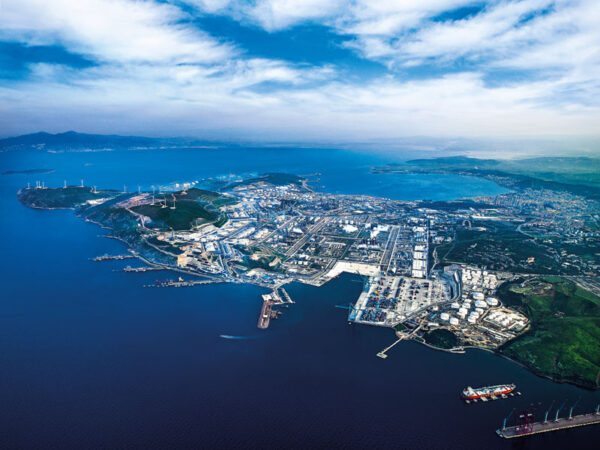
Panama’s decision to annul concession contracts held by CK Hutchison at the entrances to the Panama Canal represents a consequential shift in control over one of the world’s most economically significant trade corridors. The Supreme Court ruling, which deemed the long standing agreements unconstitutional, has prompted the state to assume interim authority over the Balboa and Cristóbal terminals, assets that sit at the heart of global container flows.
The Panama Canal facilitates roughly five per cent of global maritime trade, acting as a pricing lever in shipping markets and a critical link between Atlantic and Pacific supply chains. Control of adjacent port infrastructure directly influences throughput efficiency, vessel turnaround times and ultimately freight rates. By transferring temporary operational management to APM Terminals, affiliated with Maersk, and Terminal Investment Limited, linked to MSC, the government is seeking to preserve continuity while recalibrating concession structures.
From a macroeconomic perspective, the episode underscores the strategic value of infrastructure sovereignty. Port concessions are not merely commercial agreements but instruments that shape national revenue streams, employment and geopolitical positioning. Canal related activities contribute materially to Panama’s GDP, fiscal receipts and foreign exchange earnings. Any perception of instability could affect sovereign risk premiums and investor appetite for long duration infrastructure projects in the region.
Markets are also assessing the implications for global shipping dynamics. Concentration of interim control among major container operators may alter competitive balances, influencing capacity allocation and pricing power. At the same time, the annulment introduces legal uncertainty, with CK Hutchison signalling potential arbitration proceedings. Protracted disputes could weigh on capital flows into transport infrastructure more broadly.
Ultimately, Panama faces a delicate economic balancing act. Reasserting constitutional authority over strategic assets may strengthen long term policy credibility, yet safeguarding investor confidence remains essential. The design of the forthcoming concession process will determine whether the canal’s port infrastructure continues to function as a stabilising anchor in global trade or becomes a focal point of heightened economic risk.
The post Panama Voids Strategic Canal Port Contracts appeared first on PAN Finance.
What's Your Reaction?