















'Peace is best medicine': WHO chief warns attacks on UAE, region threaten public health
[Editor's Note: Follow Khaleej Times live blog amid US-Israel-Iran war for the latest regional developments.] The head of the World Health Organization has warned that escalating conflict across the Middle East is posing serious risks to public health and safety, following recent attacks on the UAE and other Arab nations.In a statement posted on X, WHO Director-General Tedros Adhanom Ghebreyesus said he had a productive meeting with Ambassador Jamal Al Musharakh, UAE Permanent Representative to the United Nations in Geneva, where they discussed the wide-ranging health impacts of the escalating conflict in the UAE and across the region."In the UAE, missile strikes have reportedly killed eight people and injured 158. In Oman, at least two people have died as a result of a missile strike, while in Kuwait two paramedics were injured by shrapnel that struck their ambulance centre. Stay up to date with the latest news. Follow KT on WhatsApp Channels."Energy facilities have come under attack across the region, including in Qatar and Saudi Arabia. There are also growing concerns in the Emirates and across the region that strikes on such sites could cause respiratory issues linked to breathing toxic smoke from fires. Damage to desalination plants also threatens water supplies, while people’s mental health is placed under increased strain as communities cope with the stress of living under the risk of bombardment," Ghebreyesus said.He emphasised that WHO strongly condemns these acts, expressing deep concern over the humanitarian toll they continue to impose.In his meeting with Musharakh, the WHO chief commended the UAE for the resilience that it, and its Arab neighbours, have demonstrated in the face of repeated missile barrages. "Ambassador Al Musharakh and I also emphasized the lifesaving role of the Dubai-based WHO Hub for Global Health Emergencies Logistics in delivering medical supplies across the Middle East, Africa and Asia. "WHO is grateful for the UAE’s continued support in maintaining this essential humanitarian gateway. In addition, we agreed on the urgent need to strengthen multilateral action to safeguard the health and well-being of all people affected by conflict, including addressing both physical and mental health challenges, as well as the risks posed by pandemics and other crises," he added.“Peace is the best medicine,” the WHO chief said, underscoring the need for de-escalation to safeguard lives and wellbeing across the region.'Your war is not with neighbours': UAE diplomat calls on Iran to act responsibly'We will keep you safe': UAE minister reassures citizens, residents, tourists amid Iran attack
[Editor's Note: Follow Khaleej Times live blog amid US-Israel-Iran war for the latest regional developments.]
The head of the World Health Organization has warned that escalating conflict across the Middle East is posing serious risks to public health and safety, following recent attacks on the UAE and other Arab nations.
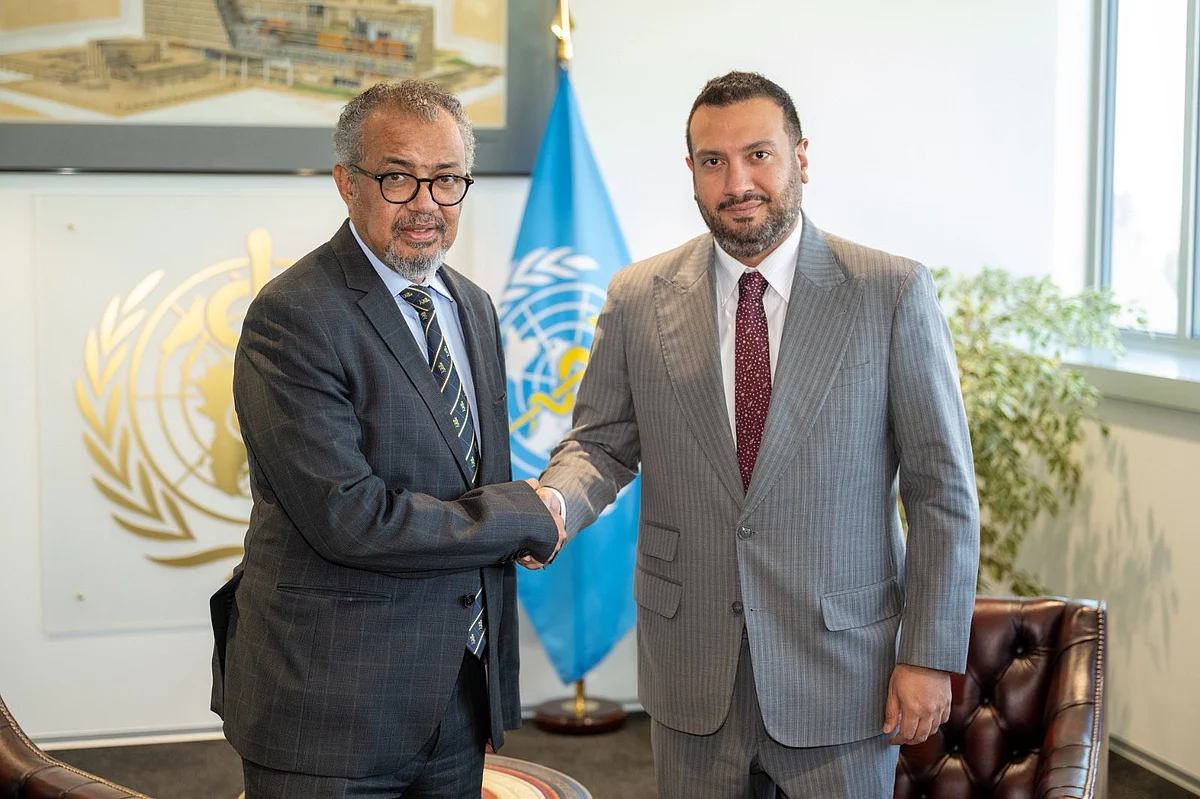
In a statement posted on X, WHO Director-General Tedros Adhanom Ghebreyesus said he had a productive meeting with Ambassador Jamal Al Musharakh, UAE Permanent Representative to the United Nations in Geneva, where they discussed the wide-ranging health impacts of the escalating conflict in the UAE and across the region.
"In the UAE, missile strikes have reportedly killed eight people and injured 158. In Oman, at least two people have died as a result of a missile strike, while in Kuwait two paramedics were injured by shrapnel that struck their ambulance centre.
Stay up to date with the latest news. Follow KT on WhatsApp Channels.
"Energy facilities have come under attack across the region, including in Qatar and Saudi Arabia. There are also growing concerns in the Emirates and across the region that strikes on such sites could cause respiratory issues linked to breathing toxic smoke from fires. Damage to desalination plants also threatens water supplies, while people’s mental health is placed under increased strain as communities cope with the stress of living under the risk of bombardment," Ghebreyesus said.
He emphasised that WHO strongly condemns these acts, expressing deep concern over the humanitarian toll they continue to impose.
In his meeting with Musharakh, the WHO chief commended the UAE for the resilience that it, and its Arab neighbours, have demonstrated in the face of repeated missile barrages.
"Ambassador Al Musharakh and I also emphasized the lifesaving role of the Dubai-based WHO Hub for Global Health Emergencies Logistics in delivering medical supplies across the Middle East, Africa and Asia.
"WHO is grateful for the UAE’s continued support in maintaining this essential humanitarian gateway. In addition, we agreed on the urgent need to strengthen multilateral action to safeguard the health and well-being of all people affected by conflict, including addressing both physical and mental health challenges, as well as the risks posed by pandemics and other crises," he added.
“Peace is the best medicine,” the WHO chief said, underscoring the need for de-escalation to safeguard lives and wellbeing across the region.
What's Your Reaction?