





















Phuket emerges as secure global family hub
Phuket is consolidating its reputation as a stable and secure residential destination for international families, driven by rising long-haul connectivity, sustained property demand, and the continued expansion of integrated communities such as Laguna Phuket.Developers and market observers point to a steady influx of buyers from Europe, the Middle East and parts of Asia, many seeking second homes or relocation options that combine lifestyle appeal with perceived safety and infrastructure reliability. The island’s positioning has strengthened as global travel networks stabilise, with airlines restoring and expanding direct routes that reduce dependence on regional transit hubs.Property agents report that demand for villas and managed residences has remained resilient despite broader economic uncertainties. Buyers are increasingly prioritising privacy, security and access to international-standard amenities, including healthcare and education, factors that have become central to relocation decisions among globally mobile families. This shift has contributed to sustained price support in premium segments, even as other markets experience fluctuations linked to interest rate pressures.Laguna Phuket, one of Southeast Asia’s largest integrated resort developments, continues to play a pivotal role in shaping the island’s residential narrative. The area has expanded beyond its origins as a resort complex into a mixed-use community offering branded residences, leisure facilities and infrastructure tailored to long-term living. Industry analysts note that such master-planned developments provide a level of predictability and governance that appeals to foreign buyers navigating unfamiliar regulatory environments.Thailand’s regulatory framework for foreign ownership remains a key consideration, with condominium purchases offering a more straightforward pathway than landed property. Developers have adapted by structuring projects to align with legal constraints, including leasehold arrangements and managed ownership models. Market participants say this flexibility has allowed Phuket to remain competitive with regional alternatives such as Bali and parts of the Gulf, where regulatory regimes differ but competition for affluent expatriates is intensifying.Connectivity has emerged as another critical driver. Phuket International Airport has seen a gradual expansion of long-haul routes linking the island to major cities in Europe and the Middle East. Airlines have responded to sustained leisure demand by maintaining seasonal services for longer periods and, in some cases, converting them into year-round operations. This has enhanced accessibility for families seeking to maintain ties with home countries while residing abroad.Education infrastructure has also expanded, with international schools on the island broadening curricula and increasing capacity. Institutions offering British, American and international baccalaureate programmes have reported rising enrolments, reflecting a more permanent expatriate population rather than short-term visitors. Healthcare services have followed a similar trajectory, with private hospitals investing in facilities and specialist care aimed at international residents.Security and governance remain central to Phuket’s appeal. Local authorities have emphasised public safety measures and infrastructure upgrades, including road improvements and utilities management, to support population growth. While Thailand’s broader political landscape has seen periods of uncertainty, Phuket’s tourism-driven economy and established administrative structures have provided a degree of continuity valued by investors.Economic diversification has added another layer to the island’s evolution. Although tourism remains the dominant sector, ancillary industries such as wellness, digital services and remote work hubs have expanded. The rise of remote working has encouraged a segment of professionals to relocate for extended periods, blending lifestyle considerations with employment flexibility. This has reinforced demand for properties designed for year-round occupancy rather than seasonal use.Pricing dynamics reflect this transition. High-end villa developments and branded residences have seen consistent interest, with some projects reporting strong pre-sales activity. At the same time, mid-market segments have experienced more moderate growth, suggesting a bifurcation driven by buyer profiles. Developers are responding by tailoring offerings to distinct segments, from luxury beachfront estates to compact units suited for remote professionals.Environmental considerations are increasingly shaping development strategies. Concerns about overdevelopment, waste management and coastal preservation have prompted calls for stricter planning controls. Some projects have incorporated sustainability features such as energy-efficient design and water management systems, aligning with global trends and buyer expectations. Balan

Phuket is consolidating its reputation as a stable and secure residential destination for international families, driven by rising long-haul connectivity, sustained property demand, and the continued expansion of integrated communities such as Laguna Phuket.
Developers and market observers point to a steady influx of buyers from Europe, the Middle East and parts of Asia, many seeking second homes or relocation options that combine lifestyle appeal with perceived safety and infrastructure reliability. The island’s positioning has strengthened as global travel networks stabilise, with airlines restoring and expanding direct routes that reduce dependence on regional transit hubs.
Property agents report that demand for villas and managed residences has remained resilient despite broader economic uncertainties. Buyers are increasingly prioritising privacy, security and access to international-standard amenities, including healthcare and education, factors that have become central to relocation decisions among globally mobile families. This shift has contributed to sustained price support in premium segments, even as other markets experience fluctuations linked to interest rate pressures.
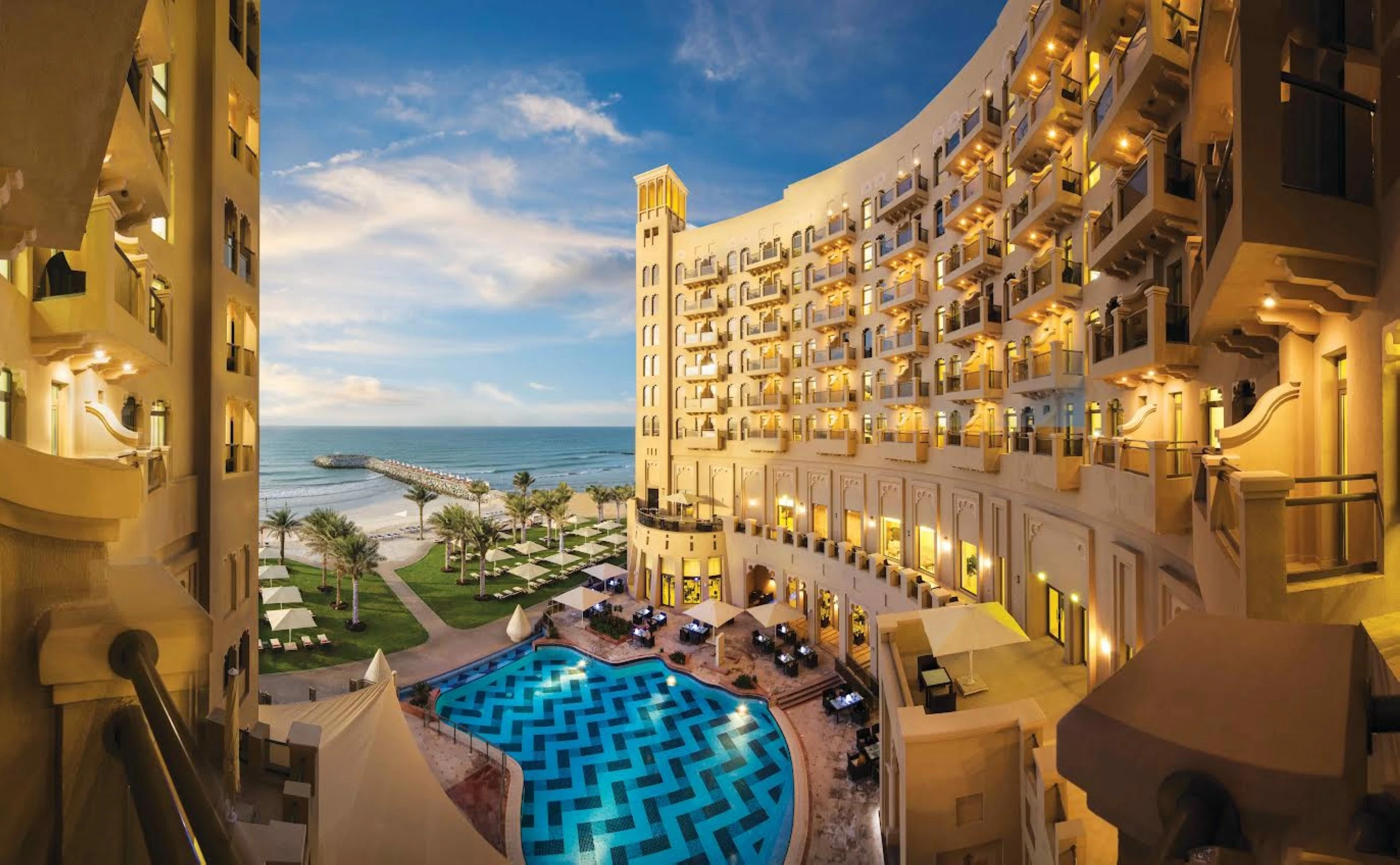
Laguna Phuket, one of Southeast Asia’s largest integrated resort developments, continues to play a pivotal role in shaping the island’s residential narrative. The area has expanded beyond its origins as a resort complex into a mixed-use community offering branded residences, leisure facilities and infrastructure tailored to long-term living. Industry analysts note that such master-planned developments provide a level of predictability and governance that appeals to foreign buyers navigating unfamiliar regulatory environments.
Thailand’s regulatory framework for foreign ownership remains a key consideration, with condominium purchases offering a more straightforward pathway than landed property. Developers have adapted by structuring projects to align with legal constraints, including leasehold arrangements and managed ownership models. Market participants say this flexibility has allowed Phuket to remain competitive with regional alternatives such as Bali and parts of the Gulf, where regulatory regimes differ but competition for affluent expatriates is intensifying.
Connectivity has emerged as another critical driver. Phuket International Airport has seen a gradual expansion of long-haul routes linking the island to major cities in Europe and the Middle East. Airlines have responded to sustained leisure demand by maintaining seasonal services for longer periods and, in some cases, converting them into year-round operations. This has enhanced accessibility for families seeking to maintain ties with home countries while residing abroad.
Education infrastructure has also expanded, with international schools on the island broadening curricula and increasing capacity. Institutions offering British, American and international baccalaureate programmes have reported rising enrolments, reflecting a more permanent expatriate population rather than short-term visitors. Healthcare services have followed a similar trajectory, with private hospitals investing in facilities and specialist care aimed at international residents.
Security and governance remain central to Phuket’s appeal. Local authorities have emphasised public safety measures and infrastructure upgrades, including road improvements and utilities management, to support population growth. While Thailand’s broader political landscape has seen periods of uncertainty, Phuket’s tourism-driven economy and established administrative structures have provided a degree of continuity valued by investors.
Economic diversification has added another layer to the island’s evolution. Although tourism remains the dominant sector, ancillary industries such as wellness, digital services and remote work hubs have expanded. The rise of remote working has encouraged a segment of professionals to relocate for extended periods, blending lifestyle considerations with employment flexibility. This has reinforced demand for properties designed for year-round occupancy rather than seasonal use.
Pricing dynamics reflect this transition. High-end villa developments and branded residences have seen consistent interest, with some projects reporting strong pre-sales activity. At the same time, mid-market segments have experienced more moderate growth, suggesting a bifurcation driven by buyer profiles. Developers are responding by tailoring offerings to distinct segments, from luxury beachfront estates to compact units suited for remote professionals.
Environmental considerations are increasingly shaping development strategies. Concerns about overdevelopment, waste management and coastal preservation have prompted calls for stricter planning controls. Some projects have incorporated sustainability features such as energy-efficient design and water management systems, aligning with global trends and buyer expectations. Balancing growth with environmental protection remains a challenge, particularly as demand continues to rise.
Competition from other destinations has intensified. Bali has attracted interest with its cultural appeal and relatively accessible property structures, while Gulf cities have promoted tax advantages and large-scale master-planned communities. Phuket’s advantage lies in its combination of established tourism infrastructure, natural assets and a maturing residential market. Analysts note that maintaining this edge will depend on continued investment in connectivity, governance and sustainable development.
The article Phuket emerges as secure global family hub appeared first on Arabian Post.
What's Your Reaction?