































PocketBook targets Kindle Scribe with open design
PocketBook has unveiled the InkPad One, a 10.3-inch e-ink tablet built on an open Linux architecture, positioning it as a direct challenger to Amazon’s Kindle Scribe and signalling a push to loosen the grip of closed digital reading ecosystems. The device combines stylus support with broad file compatibility, underscoring the Swiss-based company’s attempt to appeal to readers and professionals seeking greater control over their digital libraries. The […] The article PocketBook targets Kindle Scribe with open design appeared first on Arabian Post.
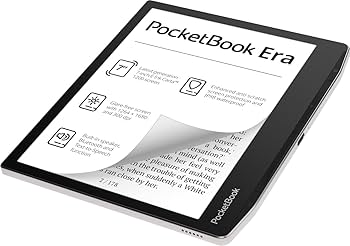
PocketBook has unveiled the InkPad One, a 10.3-inch e-ink tablet built on an open Linux architecture, positioning it as a direct challenger to Amazon’s Kindle Scribe and signalling a push to loosen the grip of closed digital reading ecosystems. The device combines stylus support with broad file compatibility, underscoring the Swiss-based company’s attempt to appeal to readers and professionals seeking greater control over their digital libraries.
The InkPad One enters a premium e-reader segment that has grown steadily since Amazon introduced the Kindle Scribe in 2022, adding note-taking functionality to its established Kindle range. While Amazon’s hardware has benefited from tight integration with the Kindle Store and Audible, critics have long argued that its ecosystem limits flexibility by prioritising proprietary formats and services. PocketBook’s strategy is to lean into openness, supporting a wide array of formats including EPUB, PDF, MOBI and several comic and document standards without mandatory conversion.
At the heart of the InkPad One is a 10.3-inch E Ink Carta display designed to mimic paper while reducing eye strain. The larger screen size mirrors that of the Kindle Scribe, targeting students, researchers and business users who require annotation tools. Stylus input allows handwriting, margin notes and document mark-ups, functions that have become central to the appeal of large-format e-ink devices. PocketBook has emphasised that notes can be exported in multiple formats, a feature aimed at users who prefer not to remain tied to a single cloud service.
Industry analysts note that openness has become a selling point in a market increasingly shaped by concerns over digital ownership. Consumers who purchase e-books through major platforms typically license, rather than own, content, and transfers between ecosystems can be cumbersome. By contrast, PocketBook’s Linux foundation allows users to sideload content more freely and manage files directly through USB or third-party cloud services. The company has stated that its devices avoid aggressive digital rights management where possible, although content restrictions ultimately depend on publishers.
Amazon, for its part, has strengthened its hardware portfolio with incremental updates to the Kindle Scribe, improving note-taking tools and synchronisation with its broader Kindle ecosystem. The Scribe’s seamless integration with Kindle Unlimited and Audible remains a powerful draw, particularly in markets where Amazon’s content catalogue is extensive. However, its reliance on Amazon’s file structure and services has led some users to seek alternatives that do not require ongoing platform dependency.
PocketBook’s move reflects a broader shift in the e-ink sector, where competitors such as Kobo, reMarkable and Onyx have experimented with open systems and Android-based devices. The reMarkable tablet has carved out a niche among productivity-focused users, while Kobo has maintained a loyal base through EPUB compatibility and library partnerships. Onyx’s Boox line, built on Android, offers app flexibility but has faced scrutiny over software updates and security transparency. PocketBook’s Linux approach attempts to balance openness with stability, avoiding the complexities of a full Android environment.
The premium e-reader category has benefited from rising demand for distraction-free devices. As tablets and smartphones become more multifunctional, a segment of consumers has sought dedicated reading and writing tools that minimise notifications and glare. E-ink displays, which consume power only when refreshing the screen, also offer extended battery life measured in weeks rather than days. Market data from research firms tracking digital publishing trends indicate steady global growth in e-reader shipments, driven partly by educational institutions and remote working patterns.
Pricing will play a critical role in the InkPad One’s reception. The Kindle Scribe has typically retailed at the higher end of the market, with costs varying by storage configuration and stylus options. PocketBook has indicated that its device will be competitively positioned, though final pricing may differ by region. Distribution partnerships across Europe and parts of Asia have historically been strengths for the company, though Amazon’s logistical network gives it a formidable advantage in scale.
Beyond hardware, software longevity and support will shape buyer confidence. Amazon’s vertically integrated model allows it to roll out firmware updates and content synchronisation across millions of devices. PocketBook must demonstrate comparable reliability while maintaining the flexibility promised by its open framework. Cybersecurity experts have observed that open systems can offer transparency benefits but require consistent patch management to protect user data.
Publishers and authors are watching these developments closely. While open file support expands reader choice, it may complicate digital rights management strategies that underpin revenue models. At the same time, broader compatibility can increase the reach of independent authors who distribute works outside dominant platforms. Educational institutions, in particular, may view open devices favourably if they enable easier distribution of academic materials without proprietary barriers.
The article PocketBook targets Kindle Scribe with open design appeared first on Arabian Post.
What's Your Reaction?