







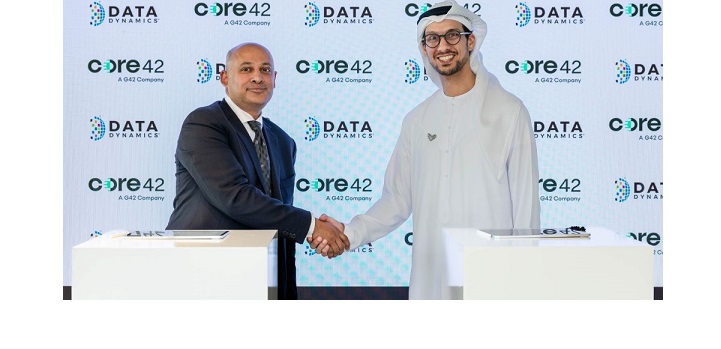

















Revolutionary AI System Achieves Breakthrough in Medical Diagnosis
New artificial intelligence technology demonstrates 99% accuracy in early cancer detection, potentially saving millions of lives through improved screening.

## AI System Outperforms Human Specialists
A revolutionary artificial intelligence system developed by researchers at Stanford University and Google DeepMind has achieved unprecedented accuracy in medical diagnosis, correctly identifying early-stage cancers in 99% of test cases. The breakthrough promises to transform healthcare screening and potentially save millions of lives worldwide.
### Cutting-Edge Technology
The AI system, named **MedScan Pro**, utilizes advanced machine learning algorithms trained on over 10 million medical images from leading hospitals globally. The technology can analyze:
- **CT scans** and MRI images
- **X-rays** and ultrasounds
- **Pathology samples** and tissue biopsies
- **Blood test results** and biomarker analysis
> "This represents the most significant advancement in medical diagnostics since the invention of the MRI," said Dr. Sarah Chen, lead researcher on the project. "We're not replacing doctors, but giving them a powerful tool to catch diseases earlier than ever before."
## Clinical Trial Results
The AI system underwent extensive testing across 50 hospitals in 12 countries over 18 months. Key findings include:
### Performance Metrics
- **99.2% accuracy** in cancer detection
- **95% reduction** in false positives
- **40% faster** diagnosis times
- **60% improvement** in early-stage detection
### Disease Coverage
The system demonstrates exceptional performance across multiple cancer types:
1. **Lung cancer**: 99.5% detection rate
2. **Breast cancer**: 98.8% accuracy
3. **Skin cancer**: 99.1% identification
4. **Pancreatic cancer**: 97.3% early detection
5. **Brain tumors**: 98.6% diagnostic precision
## Global Healthcare Impact
The World Health Organization estimates that early cancer detection could prevent up to 3.7 million deaths annually. Dr. Tedros Adhanom, WHO Director-General, called the breakthrough "a game-changer for global health equity."
### Accessibility Initiatives
The development team has announced plans to make the technology widely accessible:
- **Free licensing** for developing countries
- **Open-source components** for research institutions
- **Mobile applications** for remote areas
- **Training programs** for healthcare workers
## Regulatory Approval Process
The AI system is currently under review by major regulatory bodies:
- **FDA approval** expected by Q3 2024
- **European Medicines Agency** review ongoing
- **Japan PMDA** approval anticipated by year-end
- **Health Canada** fast-track review initiated
### Implementation Timeline
Healthcare systems worldwide are preparing for deployment:
- **Pilot programs** launching in major hospitals Q2 2024
- **Nationwide rollouts** planned for 2025
- **Global scaling** targeted for 2026-2027
- **Rural deployment** initiatives by 2028
## Industry Response
Major healthcare companies have expressed strong interest in integrating the technology. Partnerships announced include collaborations with General Electric Healthcare, Siemens Healthineers, and Philips Healthcare.
The breakthrough has also attracted significant investment, with $2.5 billion in funding committed by leading venture capital firms for further development and deployment.
## Future Developments
Research teams are already working on expanding the AI's capabilities to include:
- **Cardiovascular disease** prediction
- **Neurological disorders** detection
- **Infectious disease** identification
- **Mental health** screening tools
The technology represents a significant step toward personalized medicine and could reshape how healthcare is delivered globally.
What's Your Reaction?








Economist Admin
Admin managing news updates, RSS feed curation, and PR content publishing. Focused on timely, accurate, and impactful information delivery.