



























Russia escalates legal assault on Telegram founder
Moscow’s Federal Security Service has opened a criminal investigation into Telegram founder and chief executive Pavel Durov, accusing him of aiding and abetting terrorist activities linked to widespread content on the messaging platform and alleging refusal to cooperate with law enforcement. State-affiliated media in Moscow published material this week stating that the investigation falls under Russia’s criminal code provisions on assistance to terrorism, a charge that carries […] The article Russia escalates legal assault on Telegram founder appeared first on Arabian Post.
Moscow’s Federal Security Service has opened a criminal investigation into Telegram founder and chief executive Pavel Durov, accusing him of aiding and abetting terrorist activities linked to widespread content on the messaging platform and alleging refusal to cooperate with law enforcement. State-affiliated media in Moscow published material this week stating that the investigation falls under Russia’s criminal code provisions on assistance to terrorism, a charge that carries severe penalties under domestic law. The move marks a significant intensification of pressure on a platform used by tens of millions of people inside the country and abroad.
Russian authorities claim Telegram ignored more than 150,000 requests from the national communications regulator to remove content deemed illegal, including material they say was linked to sabotage, extremism and terrorism. Officials cited by the state paper assert that Telegram has become a conduit for activities that threaten national security, including alleged coordination of acts such as the March attack at Crocus City Hall and violent incidents involving senior military figures. Kremlin spokespeople have argued that the company’s lack of cooperation with authorities warrants such legal action and underlines the need for stricter digital governance in the face of what they describe as hybrid threats.
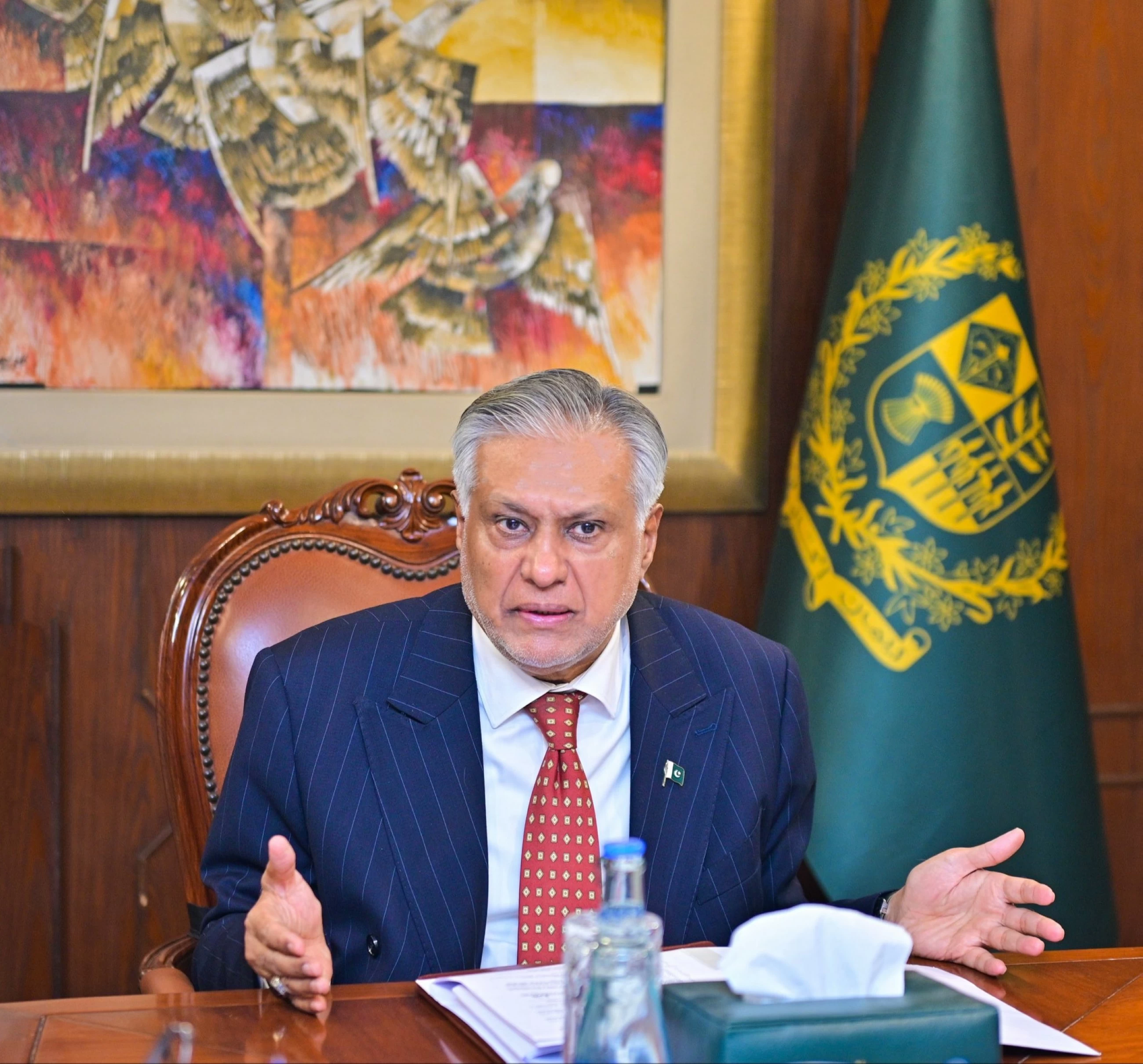
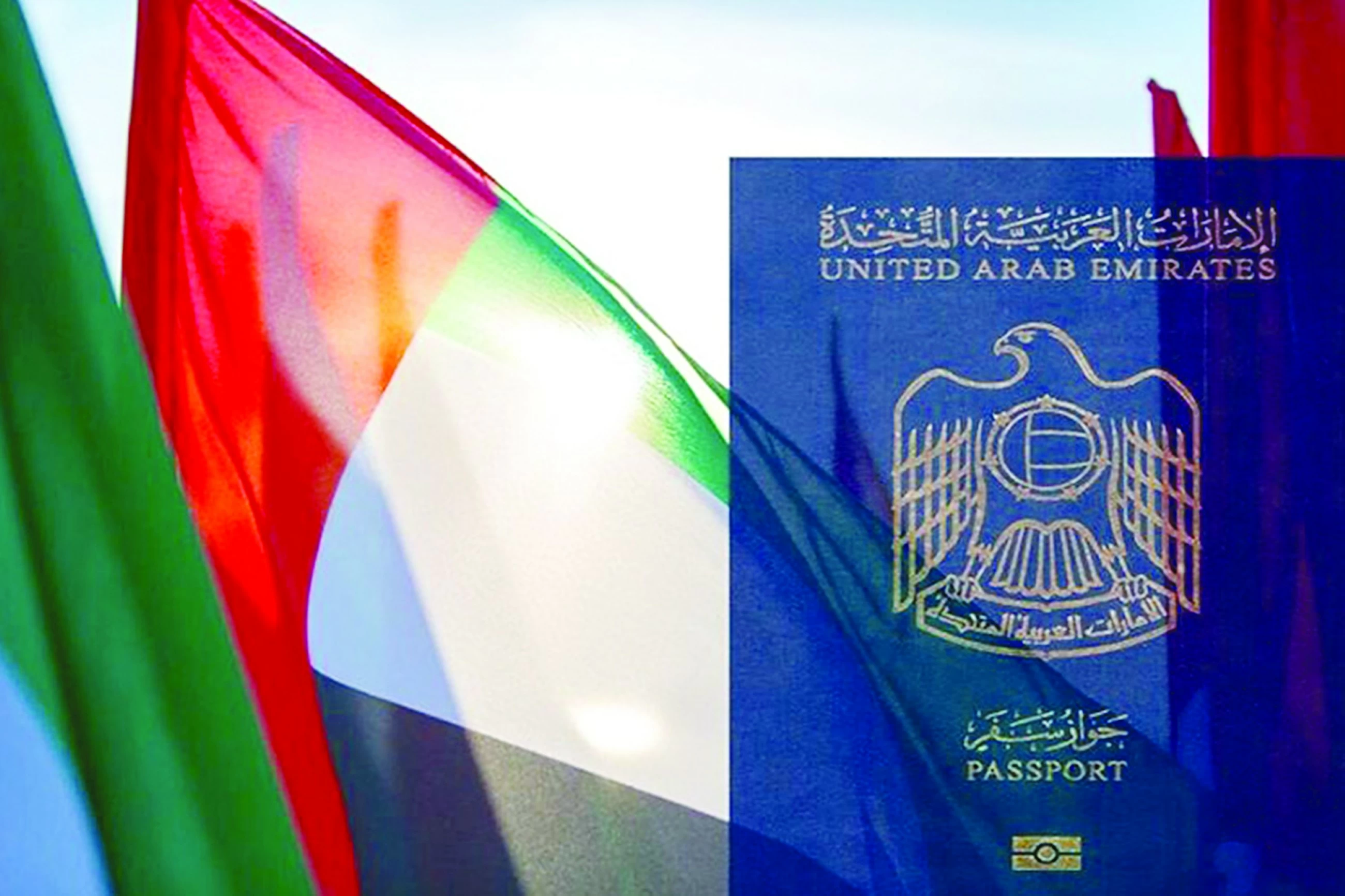
Durov, a Russia-born technology entrepreneur who now holds citizenship in both France and the United Arab Emirates and resides in Dubai, has swiftly rejected the allegations. Posting on social media, he characterised the criminal probe as a contrived pretext by Moscow to curb the app’s independent operation in the Russian digital space. He described the state’s actions as an effort to suppress privacy and free speech rights and to coerce users onto a state-controlled messaging app known as MAX, which critics say is designed for extensive surveillance and censorship.
The latest confrontation follows months of incremental restrictions imposed on Telegram’s services inside Russia. Last year, regulators began throttling Telegram’s download and messaging speeds and blocked certain features such as voice and video calls. Reports this week suggest Russian authorities may implement a full block of the platform as early as April, a step that would echo previous attempts to restrict access in 2018 and 2020 but on a broader and more technically aggressive scale.
Analysts say the government’s focus on Durov personally reflects a wider strategy to exert control over digital communications that challenge official narratives or evade stringent state oversight. Telegram’s encrypted messaging features and its widespread use among activists, journalists, businesses and even government officials have made it a potent tool for both political expression and information sharing beyond the reach of traditional state censorship. This duality has long placed the platform at the centre of debates over digital rights and national security within Russia.
Human rights advocates and digital freedom organisations have expressed alarm over the escalation, seeing the criminal charges as part of a broader pattern of digital repression in the country. Russia’s ranking in global internet freedom indices has deteriorated over the years, with persistent blocking of independent news sites, tightened restrictions on virtual private networks, and punitive actions against critics on social media platforms. These measures, critics argue, undermine fundamental freedoms and discourage the open exchange of information.
The legal confrontation also comes against a backdrop of international scrutiny of Telegram’s content moderation policies. Durov and his company have faced legal challenges in several jurisdictions over allegations that the platform’s minimal moderation contributed to the spread of harmful content. In a high-profile incident in 2024, French authorities arrested Durov at Le Bourget airport in connection with an investigation into such issues, although he was later released and allowed to leave the country.
Moscow’s emphasis on Telegram’s purported security risks dovetails with its broader digital policy agenda, which prioritises sovereign control over internet infrastructure and data flows. Officials contend that messaging platforms must align with national laws and cooperate with security agencies to counter extremism and terrorism. Supporters of this position within Russia argue that without such measures, communication networks can be exploited by hostile actors and foreign intelligence services to destabilise the state.
Telegram’s defenders argue that criminalising a CEO for the actions of platform users sets a dangerous precedent for global tech governance. They point out that no major technology leader has been prosecuted for user-generated content in Western jurisdictions, where regulatory frameworks typically focus on corporate compliance rather than personal liability. Advocates contend that such legal action could chisel away at digital privacy protections and deter innovation in secure communications tools.
The article Russia escalates legal assault on Telegram founder appeared first on Arabian Post.
What's Your Reaction?