





























Saudi Arabia weighs broader premium residency access
Saudi Arabia is preparing draft proposals to widen eligibility for its premium residency programme, potentially extending long-term residency rights to groups ranging from superyacht owners and residents of flagship developments to high-performing international students, according to a person with direct knowledge of the deliberations. The plans, which remain under internal review and have not been finalised, are designed to draw sustained foreign capital and skilled residents into […] The article Saudi Arabia weighs broader premium residency access appeared first on Arabian Post.
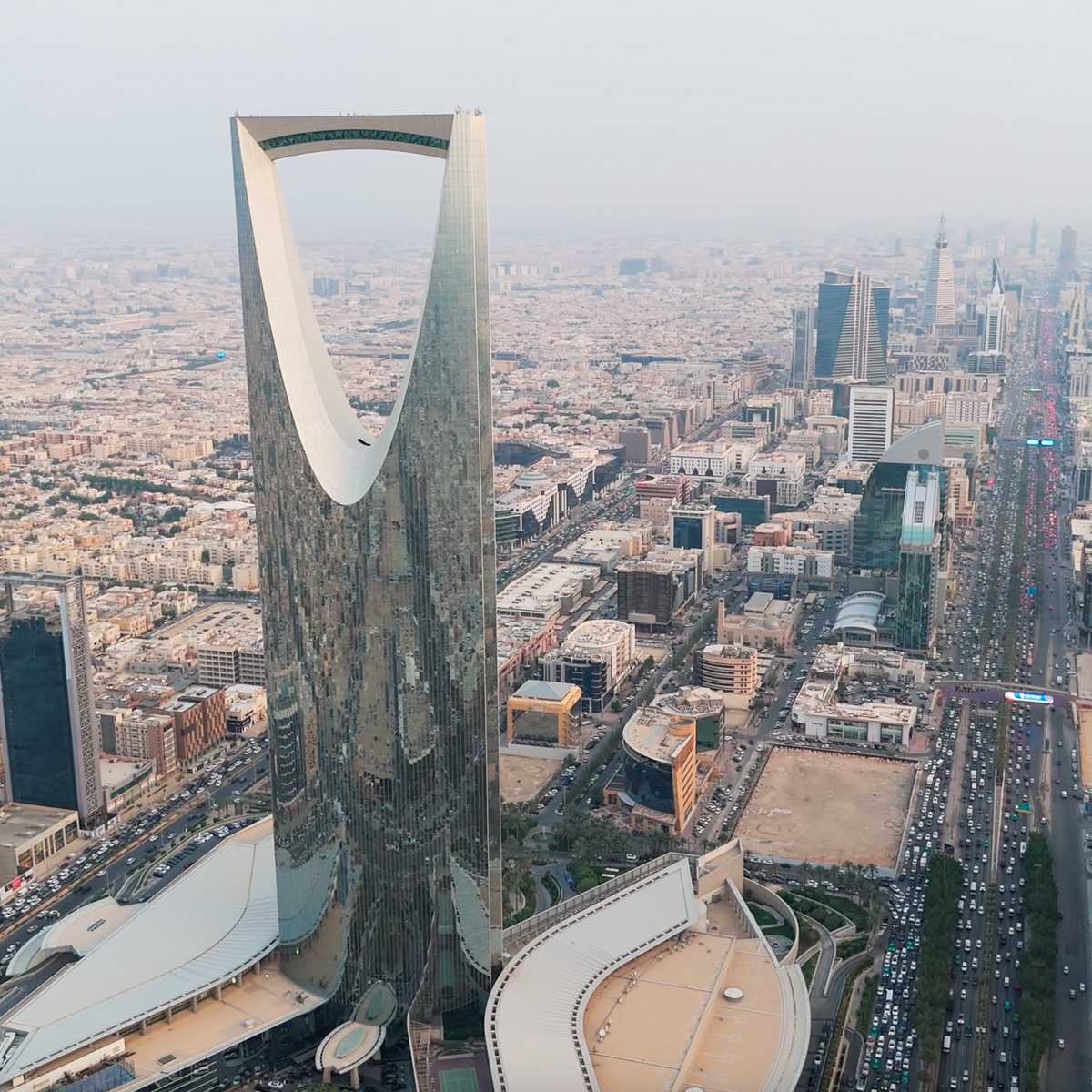
Saudi Arabia is preparing draft proposals to widen eligibility for its premium residency programme, potentially extending long-term residency rights to groups ranging from superyacht owners and residents of flagship developments to high-performing international students, according to a person with direct knowledge of the deliberations.
The plans, which remain under internal review and have not been finalised, are designed to draw sustained foreign capital and skilled residents into the kingdom as it accelerates economic diversification and social reform. The move would mark a further evolution of the premium residency scheme, first introduced to reduce reliance on short-term visas and employer sponsorship while making the country more attractive to globally mobile investors and professionals.
Under the proposals being discussed, individuals linked to high-value leisure assets such as superyachts could qualify for extended residency, reflecting Saudi Arabia’s growing ambition to position itself as a destination for luxury tourism and maritime recreation. Officials are also examining eligibility pathways for foreigners seeking to live in large-scale development zones that anchor the kingdom’s long-term urban and tourism strategy, including projects along the Red Sea coast and other master-planned cities.
Another strand under consideration would focus on international students enrolled in top academic programmes, particularly those aligned with sectors the government views as strategic for future growth. Retaining talented graduates has become a priority as Saudi Arabia invests heavily in higher education, research, and innovation capacity to support new industries beyond hydrocarbons.
These discussions sit squarely within the wider reform agenda championed by Crown Prince Mohammed bin Salman, whose economic blueprint seeks to reshape the kingdom’s labour market, investment climate, and global image. Vision 2030 has already driven a series of regulatory changes aimed at easing business formation, expanding tourism, and increasing private-sector participation across multiple sectors.
The premium residency programme, sometimes likened to a “gold card” system, currently offers eligible foreigners the right to live, work, and own property without a local sponsor, in exchange for significant fees and, in some cases, investment commitments. By broadening the pool of potential applicants, policymakers hope to deepen long-term engagement from affluent visitors and skilled individuals who might otherwise view the kingdom as a temporary base rather than a place to settle.
Saudi Arabia has been competing more actively with regional and global peers that offer residency or citizenship incentives to attract capital and expertise. Neighbouring Gulf states have expanded long-term visa options for investors, entrepreneurs, and specialised professionals, intensifying competition for talent and spending power. Expanding eligibility criteria would help the kingdom sharpen its appeal in this crowded landscape.
Officials involved in the discussions are weighing how to balance openness with regulatory oversight. Extending residency privileges to new categories of applicants would require careful screening mechanisms and clear definitions to ensure the programme supports economic objectives without creating unintended pressures on housing, infrastructure, or labour markets.
The focus on residents of flagship developments underscores the central role these projects play in the kingdom’s transformation strategy. Massive investments in tourism resorts, entertainment districts, and new urban centres are intended not only to attract visitors but also to cultivate permanent communities that can sustain economic activity year-round. Long-term residency rights are viewed as a key incentive for foreigners to commit to living in these zones.
Interest in courting superyacht owners reflects a broader push to build a high-end tourism ecosystem, including marinas, cruise terminals, and luxury coastal infrastructure. The Red Sea and Arabian Gulf coastlines are being developed with an eye toward attracting international maritime traffic, and residency incentives could encourage repeat visits and deeper financial engagement.
The article Saudi Arabia weighs broader premium residency access appeared first on Arabian Post.
What's Your Reaction?