




















Saudi move deepens Iran rupture
Saudi Arabia ordered Iran’s military attaché, his assistant and three other embassy staff to leave the kingdom within 24 hours after declaring them persona non grata, marking one of Riyadh’s sharpest diplomatic steps since the current regional war began. The Saudi foreign ministry said the expulsions were tied to what it called continued Iranian attacks on Saudi territory, after waves of missiles and drones were launched at […]The article Saudi move deepens Iran rupture appeared first on Arabian Post.
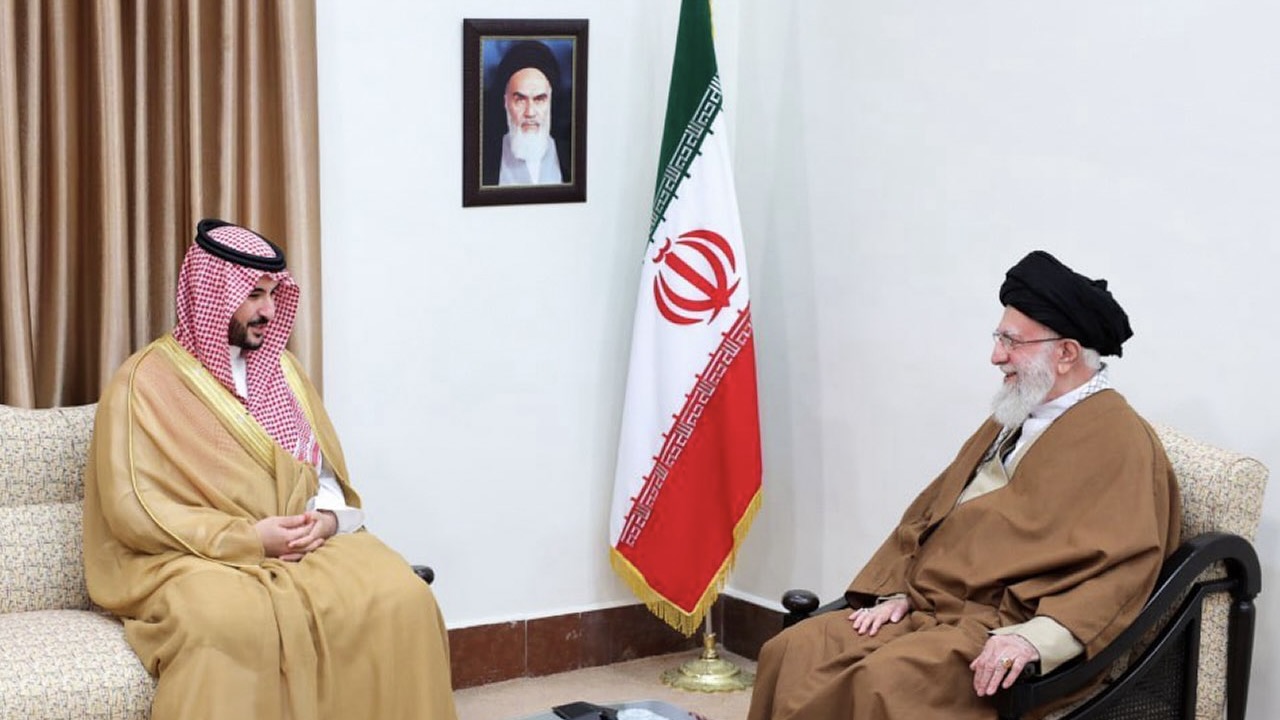
Saudi Arabia ordered Iran’s military attaché, his assistant and three other embassy staff to leave the kingdom within 24 hours after declaring them persona non grata, marking one of Riyadh’s sharpest diplomatic steps since the current regional war began. The Saudi foreign ministry said the expulsions were tied to what it called continued Iranian attacks on Saudi territory, after waves of missiles and drones were launched at the kingdom during the wider US-Israeli conflict with Iran.
Riyadh’s announcement on Saturday came after Saudi officials said the kingdom had faced hundreds of Iranian missiles and drones since the war’s opening phase, with most intercepted by air defences. Saudi Foreign Minister Prince Faisal bin Farhan said earlier this week that the kingdom reserved the right to military action if attacks continued, signalling that Saudi patience with Tehran had thinned sharply even as officials still publicly backed diplomacy as the preferred course.
The expulsions are politically significant because they cut across the Saudi-Iran détente launched in March 2023 under Chinese mediation, when both sides agreed to restore diplomatic relations after seven years of rupture. That deal had been seen as a cornerstone of Crown Prince Mohammed bin Salman’s effort to stabilise the region and shield Saudi Arabia’s economic diversification agenda from geopolitical shocks. The latest crisis has instead exposed how fragile that rapprochement remained once military confrontation returned to the Gulf.
Saudi officials have portrayed the Iranian attacks not merely as battlefield spillover but as direct violations of sovereignty, civilian safety and diplomatic norms. Reuters reported that Riyadh’s warning referred to attacks on Saudi territory and hinted at grave consequences for bilateral ties if they persisted. That language suggests the kingdom is seeking to frame its response within international law while preserving room for escalation, whether through stronger defence co-ordination with allies, retaliatory measures, or further downgrading of ties with Tehran.
Military pressure on Gulf states has widened beyond Saudi Arabia. Bahrain said a Patriot system intercepted an Iranian drone over a residential district on March 9, and officials there said civilians were injured in separate attacks that day. Across the Gulf, energy facilities in Qatar, Saudi Arabia, the UAE and Kuwait have also been threatened or struck during the conflict, underscoring how Iran’s response has broadened from confrontation with Israel and the United States to pressure on neighbouring states that host Western military assets or form part of the region’s energy network.
That wider targeting has amplified fears for global oil and gas markets. Reuters reported that attacks on Gulf energy infrastructure and disruption around the Strait of Hormuz have halted or constrained millions of barrels a day of Middle East oil output, while Brent crude surged above $100 a barrel during the week. Saudi Arabia, long positioned as a stabilising force in global energy markets, now finds itself balancing two conflicting imperatives: preserving its own security and oil infrastructure while trying to avoid a wider regional war that could damage investor confidence and derail major development plans.
For Tehran, the Saudi expulsion of embassy staff is another sign that its strategic messaging to Gulf monarchies may be backfiring. Iran appears to be signalling that states aligned with Washington or hosting US-linked assets cannot expect insulation from the conflict. Yet the harder it presses that argument militarily, the greater the chance it drives Gulf capitals closer to deeper defence co-operation with the United States and other partners. Saudi Arabia has so far stopped short of announcing a direct retaliatory strike, but its rhetoric has become markedly less cautious, especially after missile threats reached Riyadh and prompted mobile phone alerts warning residents of a hostile threat.
The article Saudi move deepens Iran rupture appeared first on Arabian Post.
What's Your Reaction?