






















Texas governor freezes H-1B hiring at state agencies and universities
Texas Governor Greg Abbott has ordered an immediate halt to new H-1B visa petitions by all state agencies and public universities, a dramatic step aimed at prioritising jobs for local workers and intensifying scrutiny of foreign worker hiring practices in government-funded institutions. The directive, issued on 27 January, bars these bodies from initiating or filing for new H-1B visas without written approval from the Texas Workforce Commission […] The article Texas governor freezes H-1B hiring at state agencies and universities appeared first on Arabian Post.
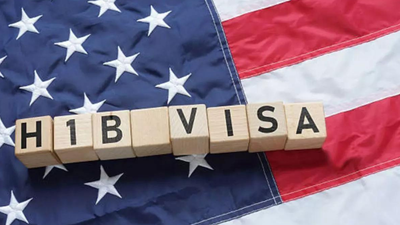
Texas Governor Greg Abbott has ordered an immediate halt to new H-1B visa petitions by all state agencies and public universities, a dramatic step aimed at prioritising jobs for local workers and intensifying scrutiny of foreign worker hiring practices in government-funded institutions. The directive, issued on 27 January, bars these bodies from initiating or filing for new H-1B visas without written approval from the Texas Workforce Commission and will remain in place through the next legislative session, ending 31 May 2027.
Abbott framed the action as part of a broader effort to ensure taxpayer-funded positions are filled by Texan workers, saying state government should “lead by example” in employment practices. The order also directs state agencies and universities to submit detailed reports by late March on their H-1B activity, including numbers of new and renewed petitions filed in 2025, the countries of origin of visa holders, job classifications, and evidence of efforts to recruit local candidates before sponsoring foreign workers.
The H-1B visa programme, established under the 1990 Immigration Act, allows employers to hire foreign professionals in specialty occupations requiring highly specialised knowledge and a bachelor’s degree or higher. Each year, a cap of 65,000 H-1B visas is allocated, plus an additional 20,000 for advanced degree holders, and although private employers in technology and other sectors are major users, public universities employ smaller proportions of visa holders.
Abbott’s freeze does not affect current H-1B holders at state agencies or universities, but institutions must provide comprehensive data on their existing workforce within weeks. Some public bodies, such as the University of Texas Southwestern Medical Center and Texas A&M University, are among the largest sponsors of H-1B visas in the state, hosting hundreds of foreign professionals in research and specialised roles.
Supporters of the freeze argue it will create space for legislative and federal reforms. Abbott’s initiative dovetails with wider Republican advocacy for changes to the H-1B system, including actions at the federal level by the Trump administration that introduced a $100,000 fee for new H-1B applications and emphasised prioritising higher-paid visa holders. By calling for a suspension of new petitions, the governor’s office said Texas lawmakers could work to “establish statutory guardrails” for future employment under the programme while awaiting federal changes.
Critics contend the move could impair the state’s ability to attract and retain skilled professionals, particularly in sectors facing labour shortages. Democratic lawmakers and university representatives have warned that pausing new visas may exacerbate staffing gaps in classrooms, research facilities and healthcare settings, especially where highly specialised talents are in short supply domestically. Ramon Romero Jr., a state representative, described H-1B holders as key contributors to local economies and communities, noting they “work hard, follow the rules and contribute to our economy”.
The directive has sparked debate within Texas and beyond. Florida Governor Ron DeSantis has pursued similar measures to restrict H-1B use at state universities, framing such actions as necessary to protect opportunities for domestic workers. The growing conservative pressure on visa policies reflects broader national tensions over immigration, workforce development and economic competitiveness.
University leaders have expressed concerns over short-term operational impacts, saying that access to international talent often fills gaps that cannot be addressed locally, particularly in STEM fields and medical research. Some institutions had already been adjusting to federal changes to the H-1B programme, but the state order adds a new layer of constraints, requiring explicit permission from the Texas Workforce Commission for any exceptions.
The governors’ directive arrives amid broader scrutiny of the H-1B visa system. National advocacy groups and business associations warn that restrictive measures could hinder innovation and competitiveness, arguing that the visa programme has been instrumental in attracting global expertise to fill specialised roles. Conversely, conservative critics maintain that unfettered use of H-1B visas can suppress wages and displace local graduates and professionals.
The article Texas governor freezes H-1B hiring at state agencies and universities appeared first on Arabian Post.
What's Your Reaction?