

































This 5-minute scan spots heart disease long before emergencies: UAE doctors
Heart attacks are often thought to come with warning signs like chest pain, breathlessness, or discomfort in the arm. But doctors say the reality is far more worrying: many heart attacks happen without any warning at all.In fact, a large number of people who suffer a cardiac event said that they felt perfectly fine before it happened. This is why cardiologists are now stressing the importance of early detection, even in people who feel healthy.Doctors said a simple, painless scan that takes about five minutes can help identify hidden heart disease years before a heart attack occurs. The test, called coronary calcium scoring, looks for calcium build-up in the arteries that supply blood to the heart. These calcium deposits are an early sign of plaque formation, which is a slow, silent process that narrows the arteries over time and can suddenly lead to a heart attack.Stay up to date with the latest news. Follow KT on WhatsApp Channels.Silent disease“Many patients who suffer heart attacks have never experienced chest pain or any warning symptoms,” said Dr. Adil Rizvi, medical director and cardiothoracic surgeon. “When heart disease is silent, waiting for symptoms can be dangerous. A test that takes just a few minutes can give vital insight into a person’s heart health and help guide preventive care.”The scan is non-invasive and does not require injections or hospital admission. While the entire appointment may take 15 to 30 minutes, including preparation, the actual CT scan itself takes only about five minutes.Doctors said this short test can make a major difference by allowing people to take action before a medical emergency occurs.Risk factorsAccording to Dr. Austin Mohan Komaranchath, head of department and specialist interventional cardiologist at NMC Specialty Hospital, Al Ain, heart disease does not only affect people who look unhealthy.“In my experience, it is extremely common for people to have a heart attack without any warning symptoms,” he said. “Many patients have risk factors like high blood pressure or high cholesterol. They may go to the gym regularly and feel fit, but still have plaques in their coronary arteries.”He explained that during intense exercise or heavy lifting, blood pressure can rise suddenly. “This can cause plaque rupture, leading to an acute heart attack or even sudden cardiac death. I see this even in relatively young individuals.”Dr. Austin said that a real-life example from his practice. “I identified patients who had normal stress tests and normal echocardiograms. But when we did calcium scoring, the results were shocking. One patient had a calcium score above 300. A coronary angiogram later showed 10 blockages, four of them nearly 90 per cent blocked.”What does the scan detect?Many people rely on ECGs and blood tests to assess heart health. But doctors said these tests often fail to detect slow, long-term damage.“ECGs mainly detect electrical problems, and blood tests reflect current inflammation or damage,” said Dr. Madhujith Padinharakara, head of the radiology department and specialist radiologist at International Modern Hospital, Dubai. “They do not show whether the arteries have been gradually narrowing over many years.”Calcium scoring, he said, fills this gap by detecting silent atherosclerosis — the physical build-up of calcified plaque inside the coronary arteries.“It reveals structural heart disease long before symptoms appear or a heart attack occurs,” added Dr. Madhujith.Safe, quick, and reliableDoctors said that with current-generation CT scanners, calcium scoring can be performed using very low levels of radiation. The test does not involve contrast injections, needles, or recovery time.For appropriately selected patients, cardiologists stress that the benefit of detecting heart disease early far outweighs the minimal radiation exposure that may be involved.Large studies have shown that calcium scoring is one of the strongest predictors of future heart attacks. Higher calcium scores are linked to higher risk, while a score of zero usually means a very low short- to medium-term risk.“Calcium is a strong red flag,” said Dr. Madhujith. “It confirms that artery damage already exists, even if the person feels completely fine.”Who should consider the scan?Doctors recommend the scan especially for adults over the age of 40, and for younger people who have risk factors such as high blood pressure, diabetes, high cholesterol, smoking, obesity, family history of heart disease, or chronic stress, even if they feel healthy.Dr. Austin highlighted that early detection must be followed by proper care. “The biggest difference comes from regular medication and proper follow-up. Many patients stop treatment because they don’t feel symptoms. That is dangerous.”High blood pressure, he warned, is often called the silent killer for a reason.Prevention before emergencyAs heart disease increasingly affects younger and working-age adults, doctors said that prevention must start before
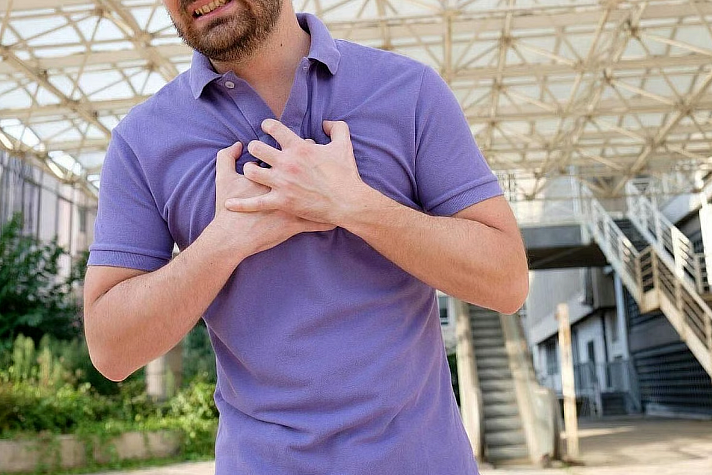
Heart attacks are often thought to come with warning signs like chest pain, breathlessness, or discomfort in the arm. But doctors say the reality is far more worrying: many heart attacks happen without any warning at all.
In fact, a large number of people who suffer a cardiac event said that they felt perfectly fine before it happened. This is why cardiologists are now stressing the importance of early detection, even in people who feel healthy.
Doctors said a simple, painless scan that takes about five minutes can help identify hidden heart disease years before a heart attack occurs. The test, called coronary calcium scoring, looks for calcium build-up in the arteries that supply blood to the heart. These calcium deposits are an early sign of plaque formation, which is a slow, silent process that narrows the arteries over time and can suddenly lead to a heart attack.
Stay up to date with the latest news. Follow KT on WhatsApp Channels.
Silent disease
“Many patients who suffer heart attacks have never experienced chest pain or any warning symptoms,” said Dr. Adil Rizvi, medical director and cardiothoracic surgeon. “When heart disease is silent, waiting for symptoms can be dangerous. A test that takes just a few minutes can give vital insight into a person’s heart health and help guide preventive care.”
The scan is non-invasive and does not require injections or hospital admission. While the entire appointment may take 15 to 30 minutes, including preparation, the actual CT scan itself takes only about five minutes.
Doctors said this short test can make a major difference by allowing people to take action before a medical emergency occurs.
Risk factors
According to Dr. Austin Mohan Komaranchath, head of department and specialist interventional cardiologist at NMC Specialty Hospital, Al Ain, heart disease does not only affect people who look unhealthy.
“In my experience, it is extremely common for people to have a heart attack without any warning symptoms,” he said. “Many patients have risk factors like high blood pressure or high cholesterol. They may go to the gym regularly and feel fit, but still have plaques in their coronary arteries.”
He explained that during intense exercise or heavy lifting, blood pressure can rise suddenly. “This can cause plaque rupture, leading to an acute heart attack or even sudden cardiac death. I see this even in relatively young individuals.”
Dr. Austin said that a real-life example from his practice. “I identified patients who had normal stress tests and normal echocardiograms. But when we did calcium scoring, the results were shocking. One patient had a calcium score above 300. A coronary angiogram later showed 10 blockages, four of them nearly 90 per cent blocked.”
What does the scan detect?
Many people rely on ECGs and blood tests to assess heart health. But doctors said these tests often fail to detect slow, long-term damage.
“ECGs mainly detect electrical problems, and blood tests reflect current inflammation or damage,” said Dr. Madhujith Padinharakara, head of the radiology department and specialist radiologist at International Modern Hospital, Dubai. “They do not show whether the arteries have been gradually narrowing over many years.”
Calcium scoring, he said, fills this gap by detecting silent atherosclerosis — the physical build-up of calcified plaque inside the coronary arteries.
“It reveals structural heart disease long before symptoms appear or a heart attack occurs,” added Dr. Madhujith.
Safe, quick, and reliable
Doctors said that with current-generation CT scanners, calcium scoring can be performed using very low levels of radiation. The test does not involve contrast injections, needles, or recovery time.
For appropriately selected patients, cardiologists stress that the benefit of detecting heart disease early far outweighs the minimal radiation exposure that may be involved.
Large studies have shown that calcium scoring is one of the strongest predictors of future heart attacks. Higher calcium scores are linked to higher risk, while a score of zero usually means a very low short- to medium-term risk.
“Calcium is a strong red flag,” said Dr. Madhujith. “It confirms that artery damage already exists, even if the person feels completely fine.”
Who should consider the scan?
Doctors recommend the scan especially for adults over the age of 40, and for younger people who have risk factors such as high blood pressure, diabetes, high cholesterol, smoking, obesity, family history of heart disease, or chronic stress, even if they feel healthy.
Dr. Austin highlighted that early detection must be followed by proper care. “The biggest difference comes from regular medication and proper follow-up. Many patients stop treatment because they don’t feel symptoms. That is dangerous.”
High blood pressure, he warned, is often called the silent killer for a reason.
Prevention before emergency
As heart disease increasingly affects younger and working-age adults, doctors said that prevention must start before symptoms appear.
“Prevention does not always require complex procedures,” said Dr. Rizvi. “Sometimes, it starts with a simple scan that helps you understand your risk and act before it is too late.”
What's Your Reaction?